Summer has arrived, and it is excessive. Pavements are softening, air conditioners are surrendering and stepping outside at noon feel like volunteering for an oven test. According to something called El Niño, it is likely to get worse.
So, in the spirit of abandoning practicality, here is a guide to planets scientists consider potential candidates for life, places where summer, if it exists at all, is considerably more polite.
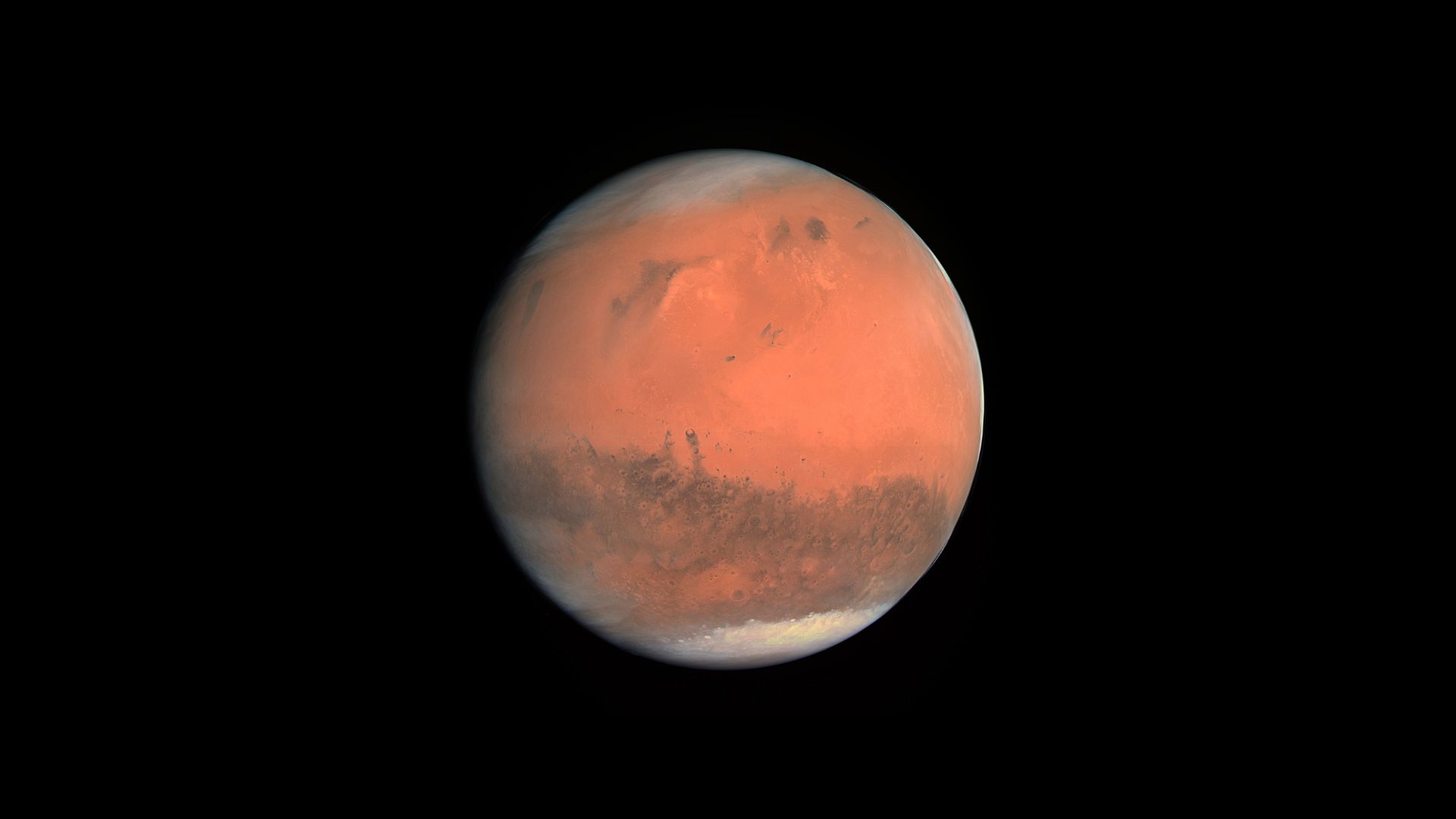
Mars
The obvious first stop, and if Elon Musk has anything to say about it, also the only stop. Mars is rocky, sits at the outer edge of the habitable zone, and has a day length almost identical to Earth’s, one of its few conveniences. Average surface temperatures hover around minus 60°C, which feels less dramatic if you have checked this week’s weather forecast.
It has a thin atmosphere, ancient riverbeds, and enough scientific intrigue to keep researchers busy for decades. Dust storms are frequent. Breathable air is absent. But if you can secure a seat on one of Musk’s rockets, and that is now, apparently, a real possibility, Mars is at least nearby. Whether you want to share a planet with him is another matter entirely.
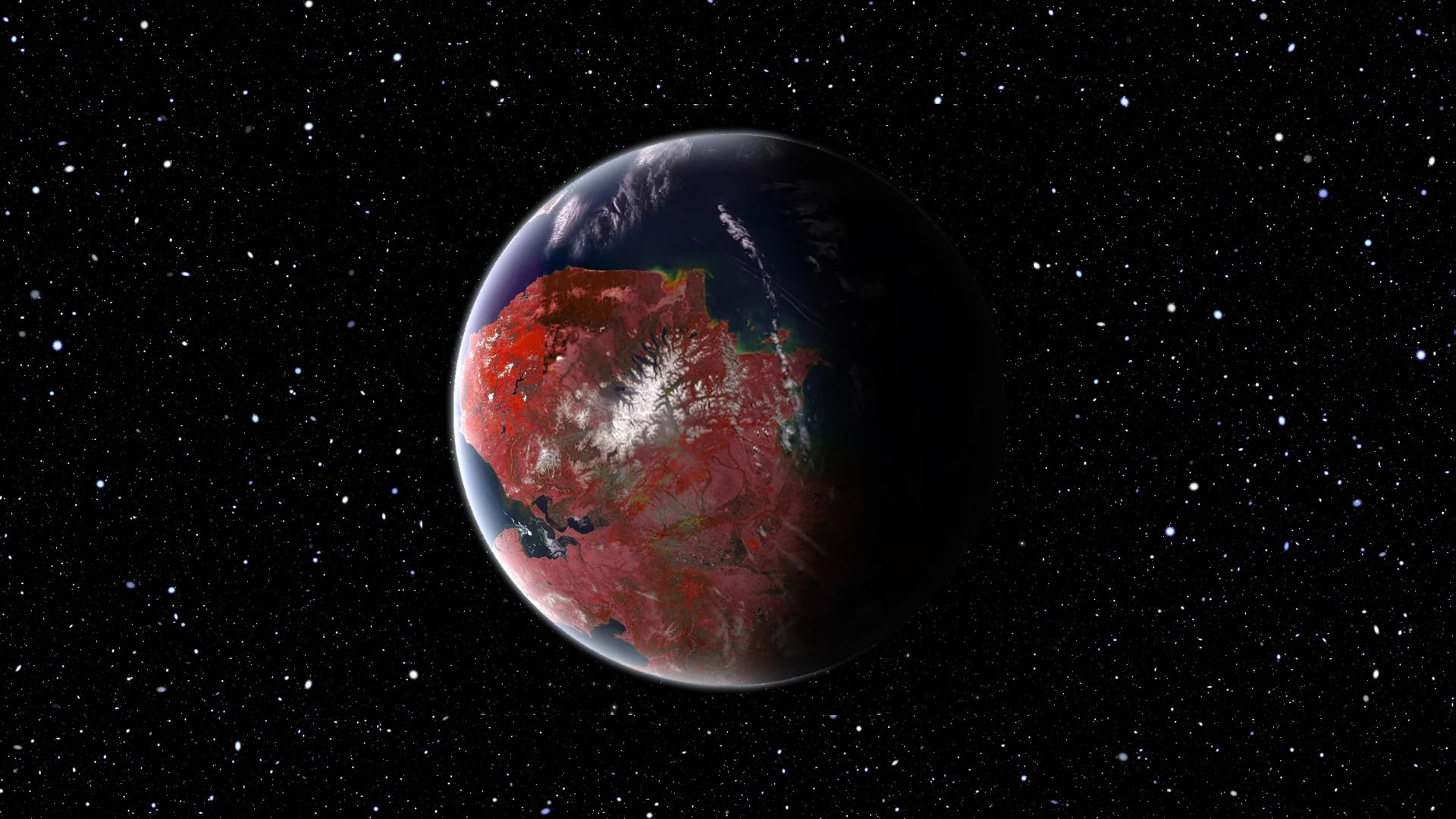

Kepler-442b
About 1,200 light-years away, which is usually where conversations end. Kepler-442b is rocky, larger than Earth, and sits comfortably in its star’s habitable zone. It has one of the highest habitability ratings yet recorded, which is the kind of phrase that sounds reassuring until you remember no one has confirmed its atmosphere.
Temperatures are thought to be cool enough for liquid water. That is, broadly speaking, the requirement. Everything else remains unverified.
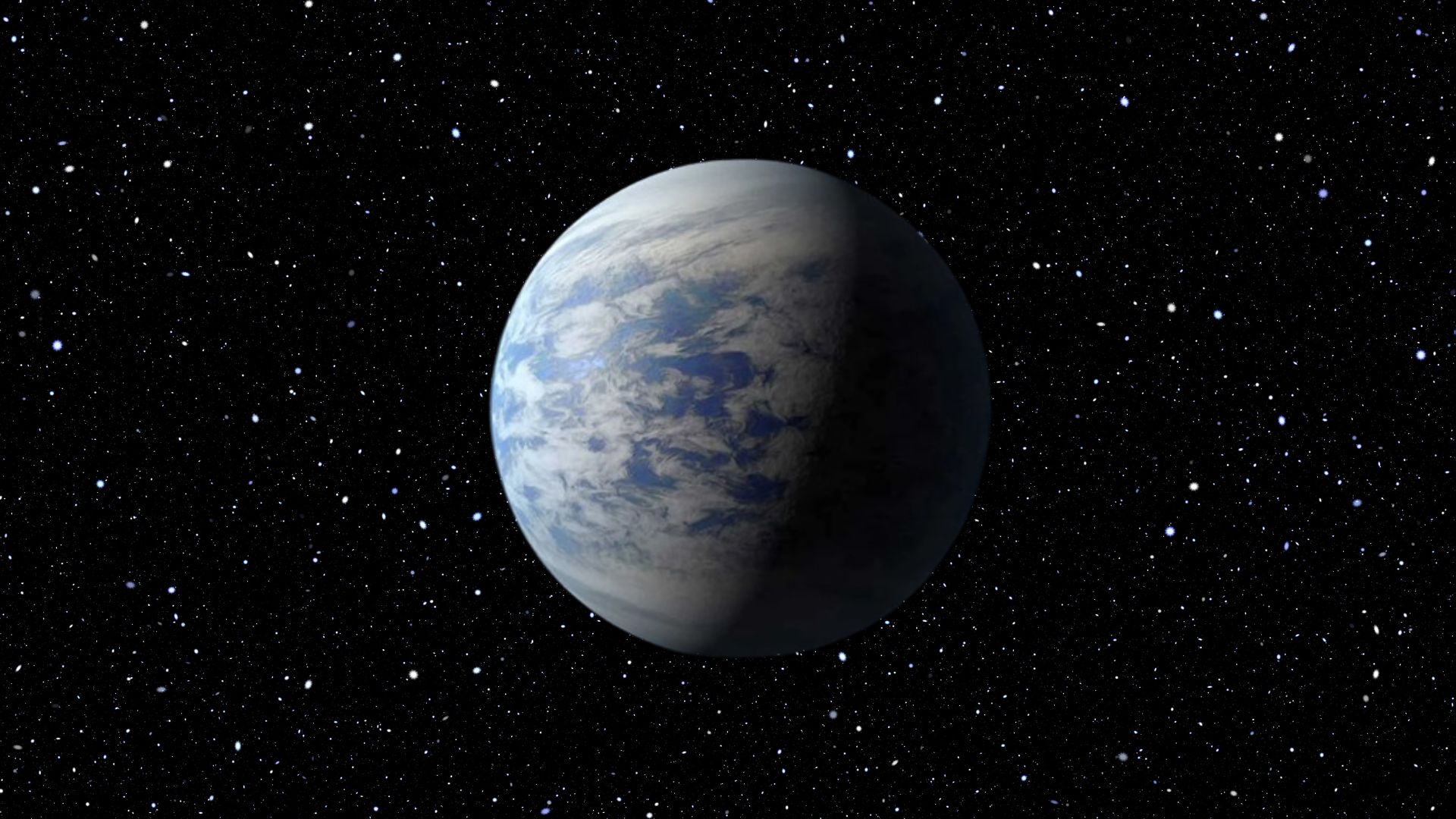
Kepler-452b




Often described as Earth’s “closest cousin”, which is a generous way of saying it is familiar in outline only. It orbits a sun-like star at a similar distance, is about 60% larger than Earth, and has a year lasting 385 days, close enough to feel normal, far enough to notice.
Scientists suspect a rocky surface and possibly a working atmosphere with liquid water. It is 1,400 light-years away. Familiarity, it turns out, does not shorten the journey.
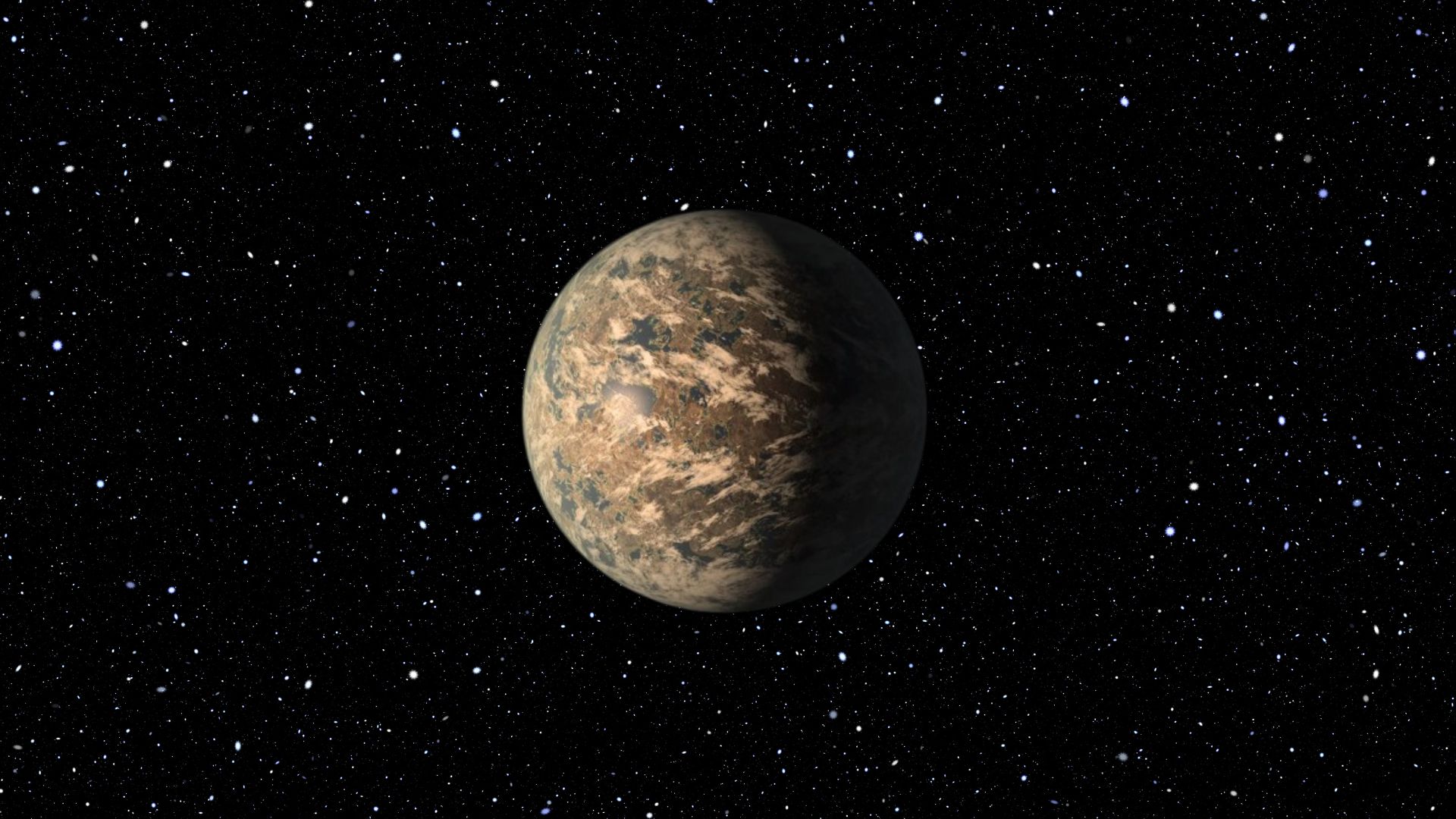
TRAPPIST-1e
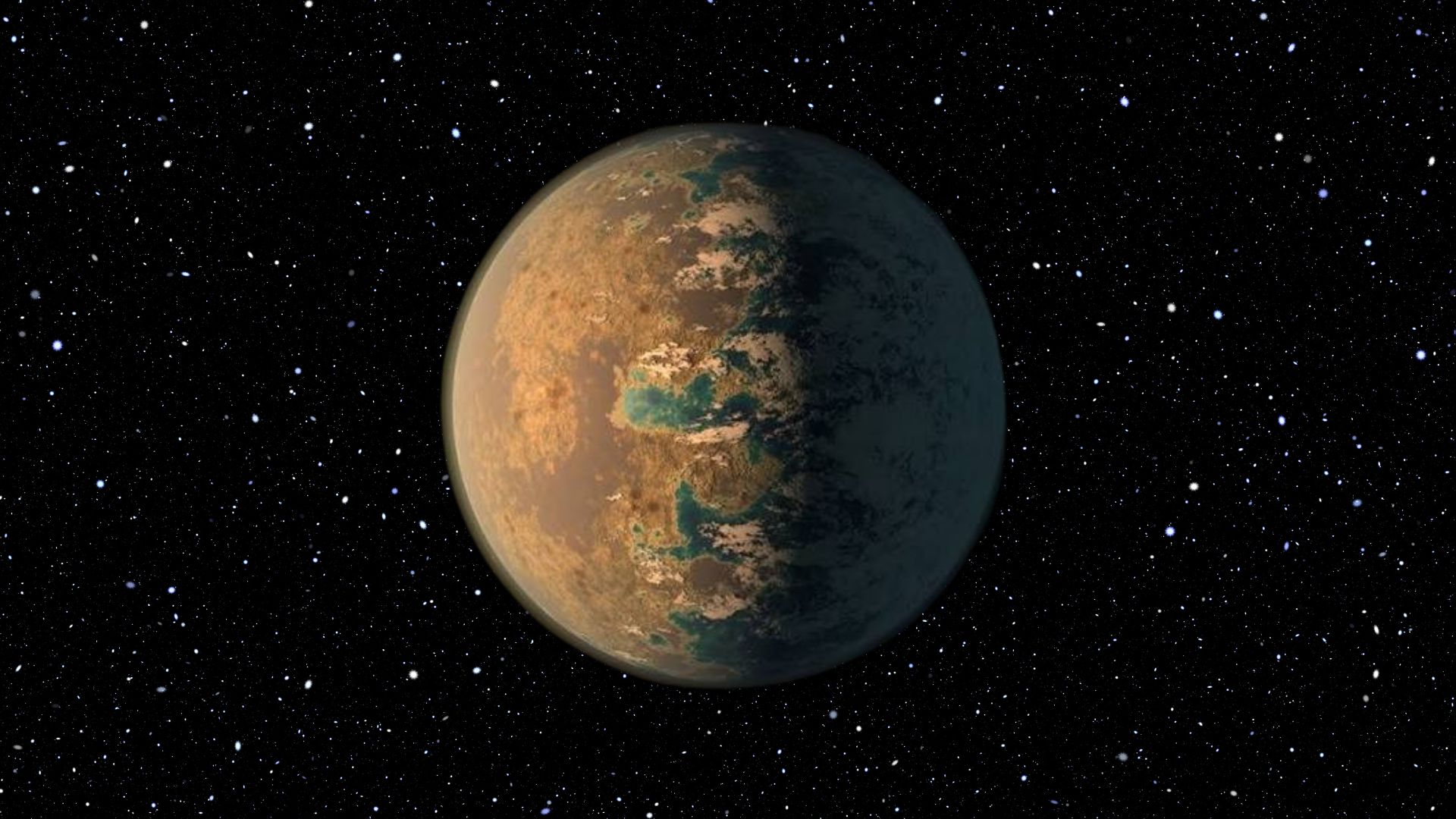
Thirty-nine light-years away, part of a seven-planet system orbiting a dim red dwarf star. It is the one that consistently excites scientists at conferences. TRAPPIST-1e is Earth-sized, rocky, and sits squarely in the habitable zone. Conditions may allow liquid water. Its star is cooler and quieter than ours, casting a muted red light across the surface.
It is, in many ways, one of the strongest current candidates for habitability. The problem remains travel time.
TRAPPIST-1d
Nearby, in cosmic terms. TRAPPIST-1d sits slightly closer to its star than 1e, making it marginally warmer. Some models suggest a water world beneath a thick atmosphere. Others suggest rock. The truth is still unresolved.
What is agreed: it is worth watching. In the context of escaping a heatwave, it is at least on the list.
Gliese 667Cc
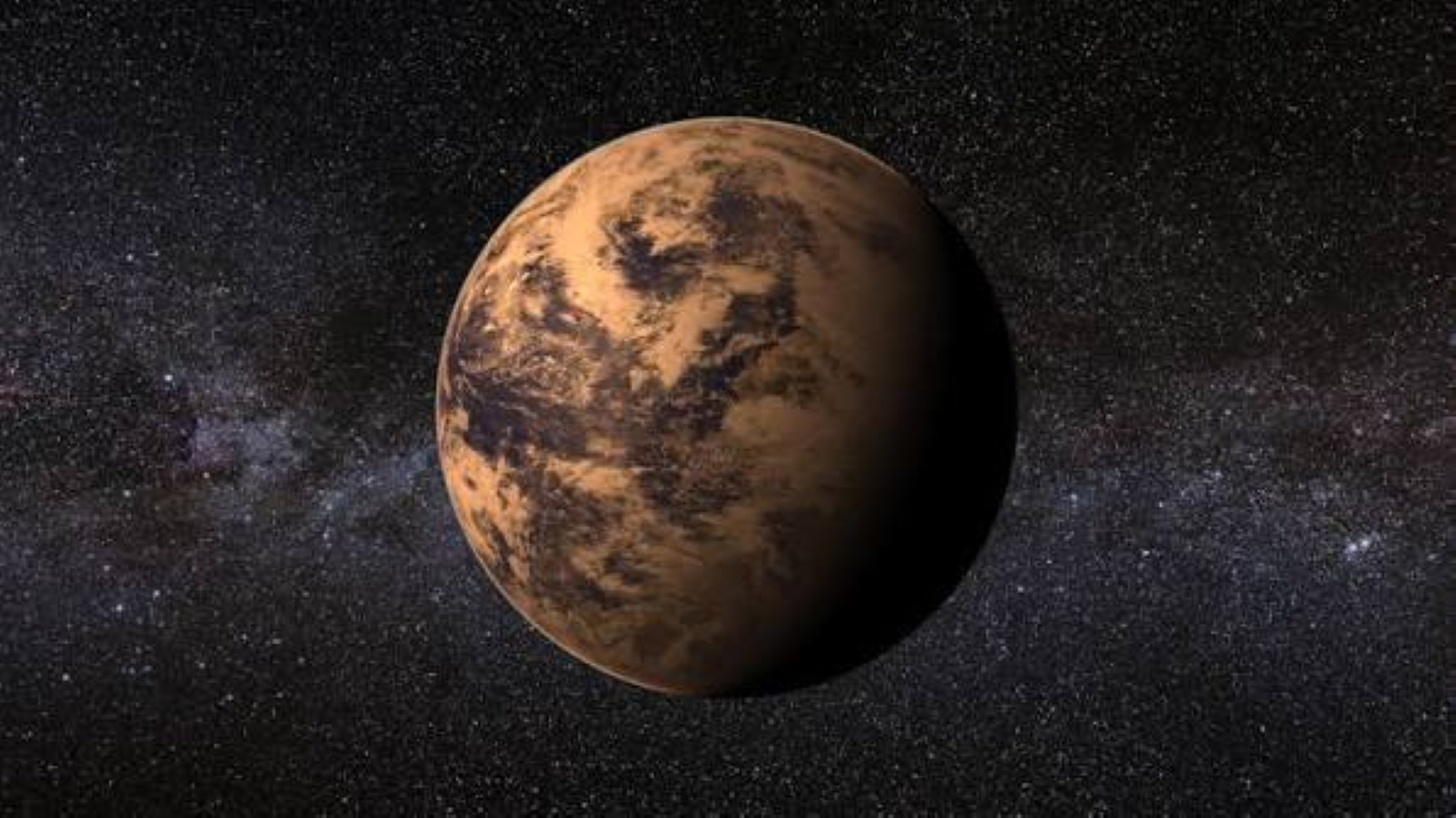
Twenty-three light-years away, practically around the corner, astronomically speaking. It orbits one star in a triple-star system, which sounds complicated but appears stable. It sits in the habitable zone and is thought to be rocky, slightly larger than Earth, with potential for liquid water.
With three suns in the sky, sunsets would be excessive in a different way. It remains one of the more promising candidates nearby. “Nearby” here means a message would arrive within a human lifetime. Not useful, but not nothing.
None of these places is reachable before the end of summer or, realistically, before the end of several centuries. Earth remains the only viable address where stepping outside is not immediately life-threatening.
Draw the curtains. Buy a fan. Drink something cold. Gliese 667Cc will still be there, 23 light-years away with its three sunsets and its indifferent silence, long after this heatwave has passed.