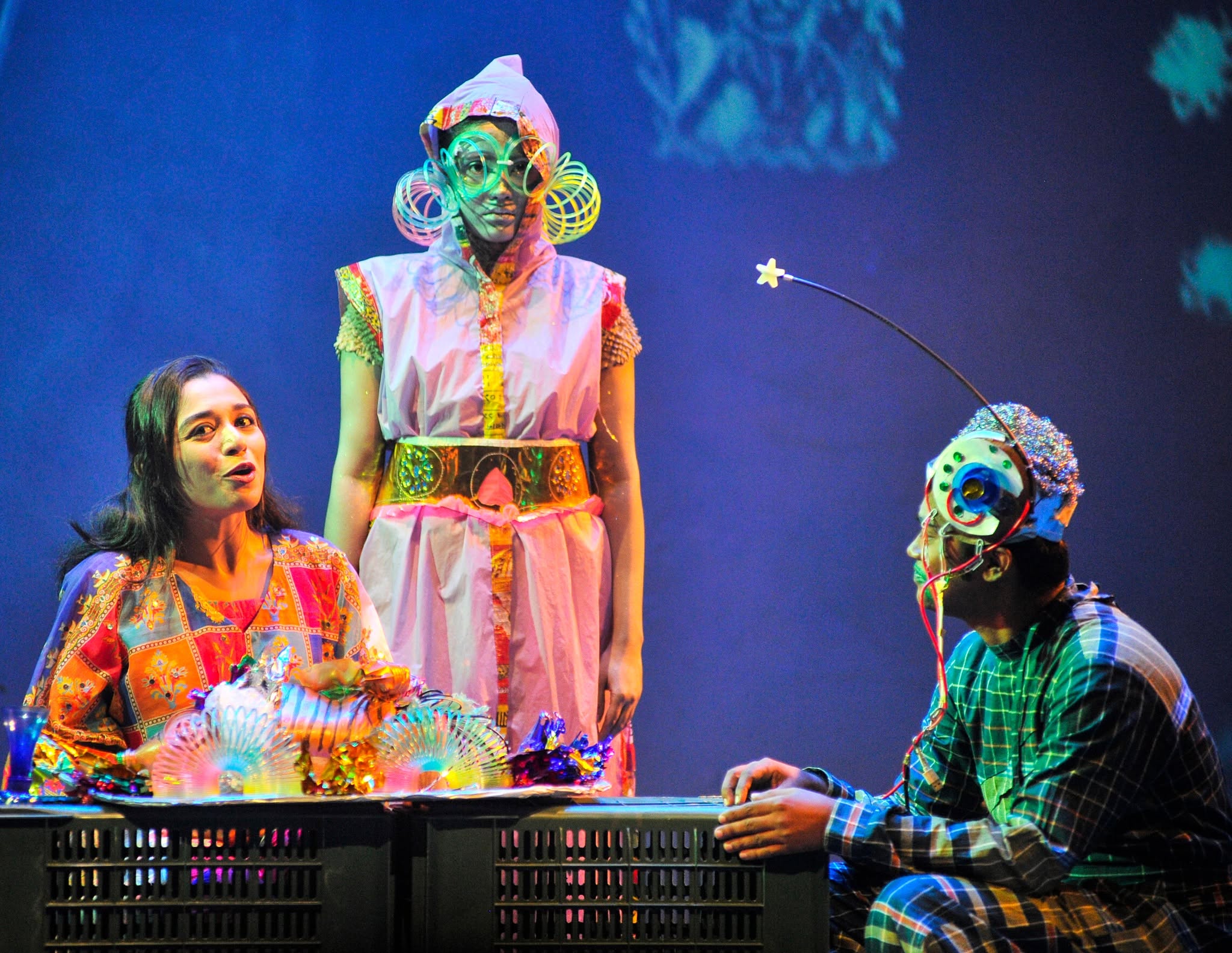
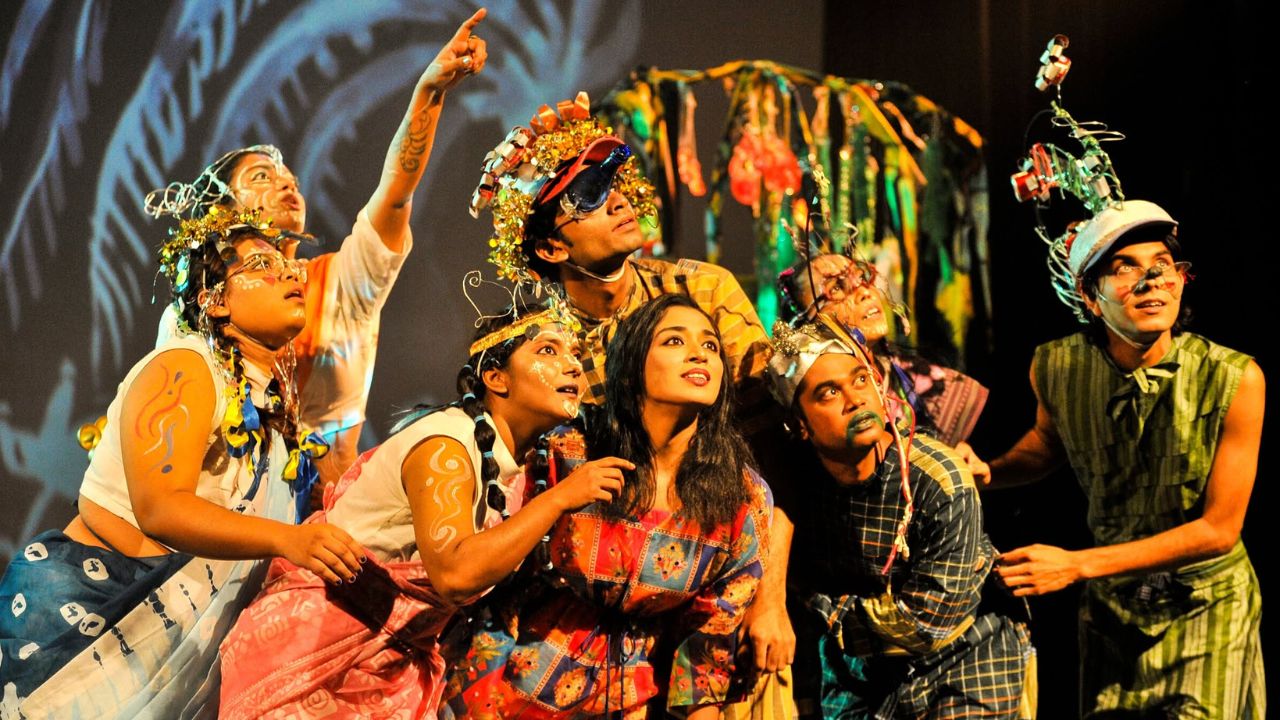



The entire hall erupted with a chorus of “No, no!” when the audience was asked whether the men of Lady Land should be allowed outside after sunset.
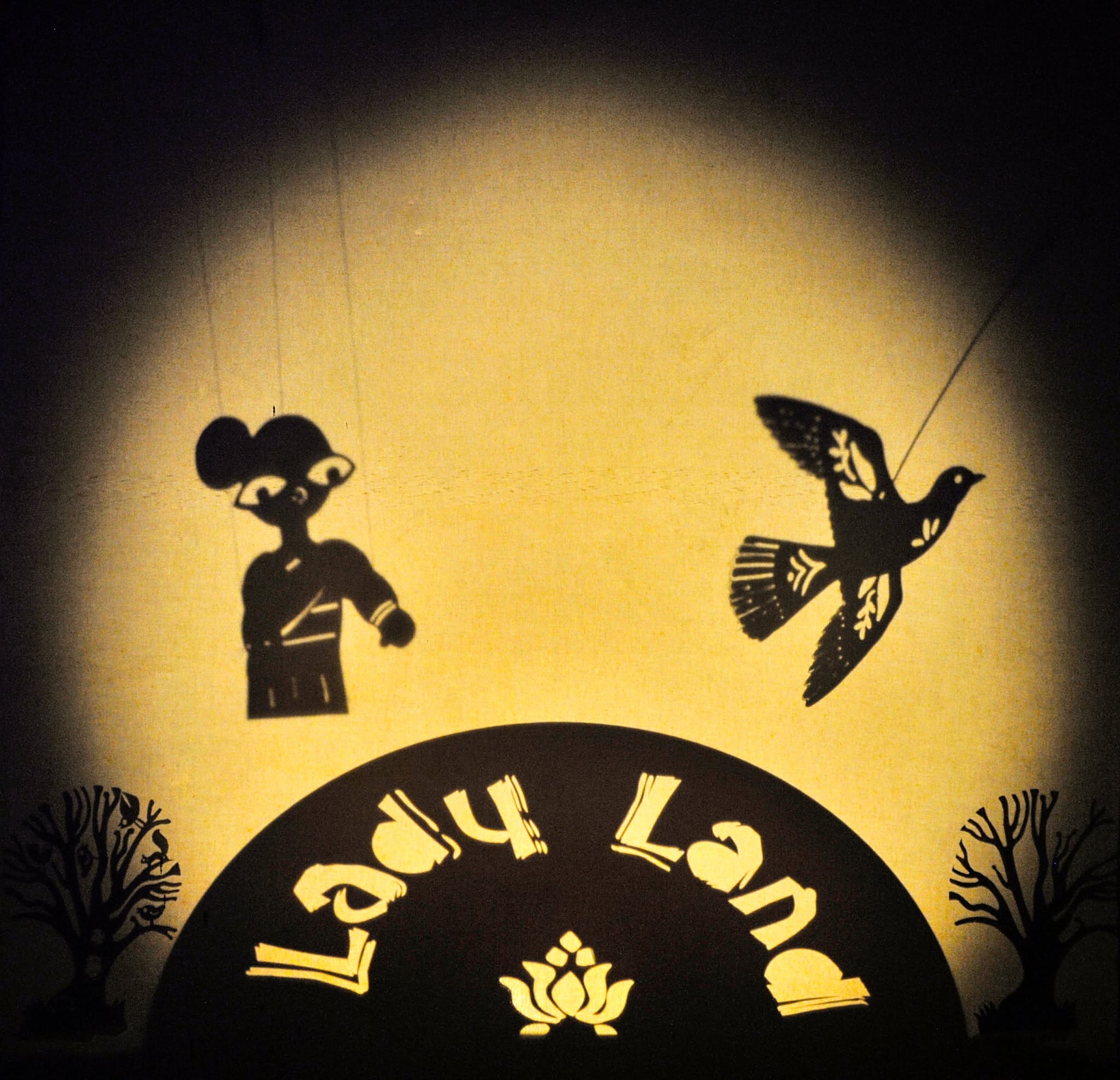
The question came with a twist. In the fictional world of Lady Land, “Shandhey Ayeen”, or the sunset law, prohibits men from going out at night. Familiar gender roles are reversed: women run society, while men face restrictions that echo those women experience in the real world.
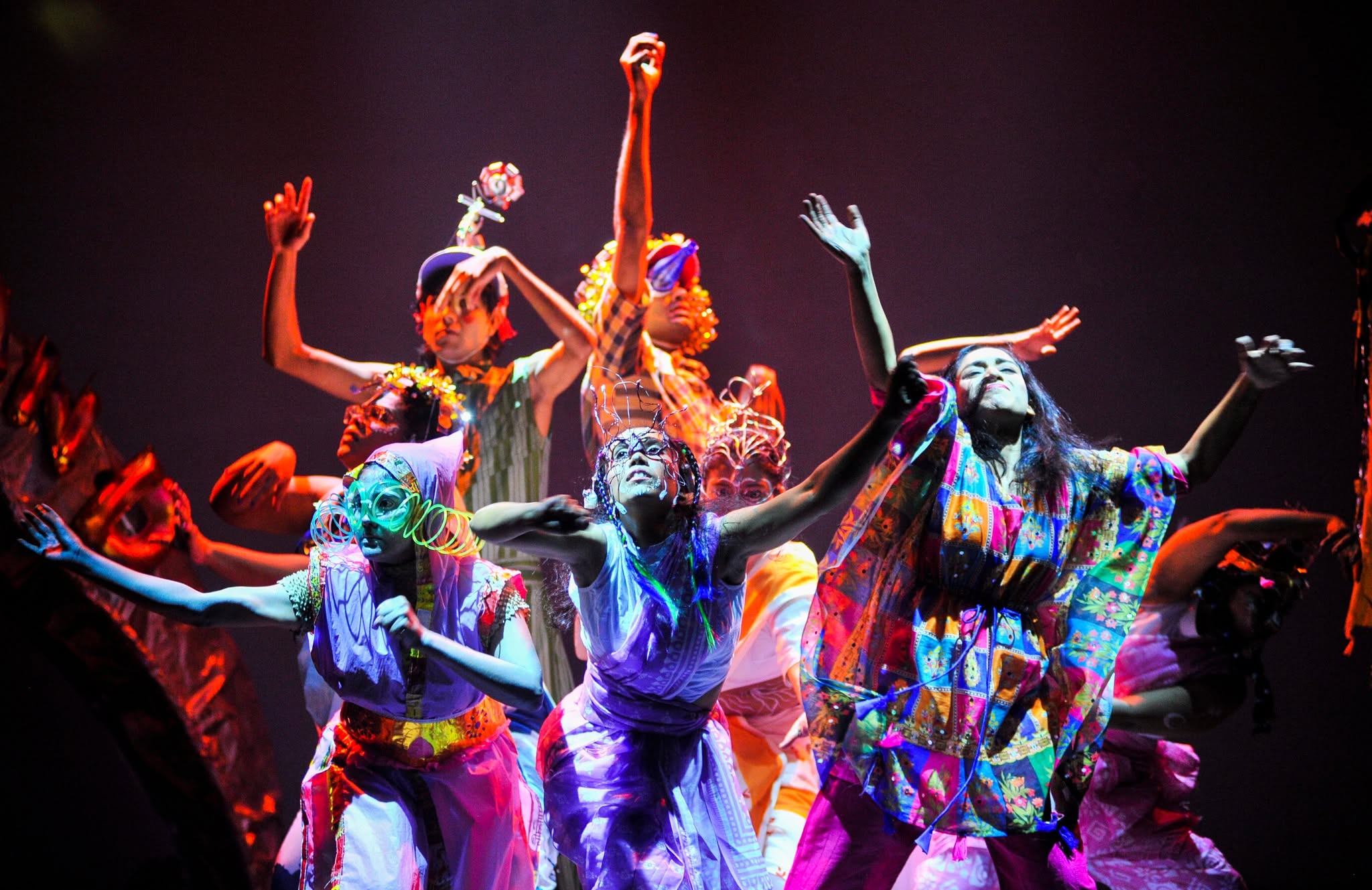
That reversal lies at the heart of Project Lady Land, a theatrical initiative by Her Story that turns a seemingly perfect fictional world into an uncomfortable reality check.
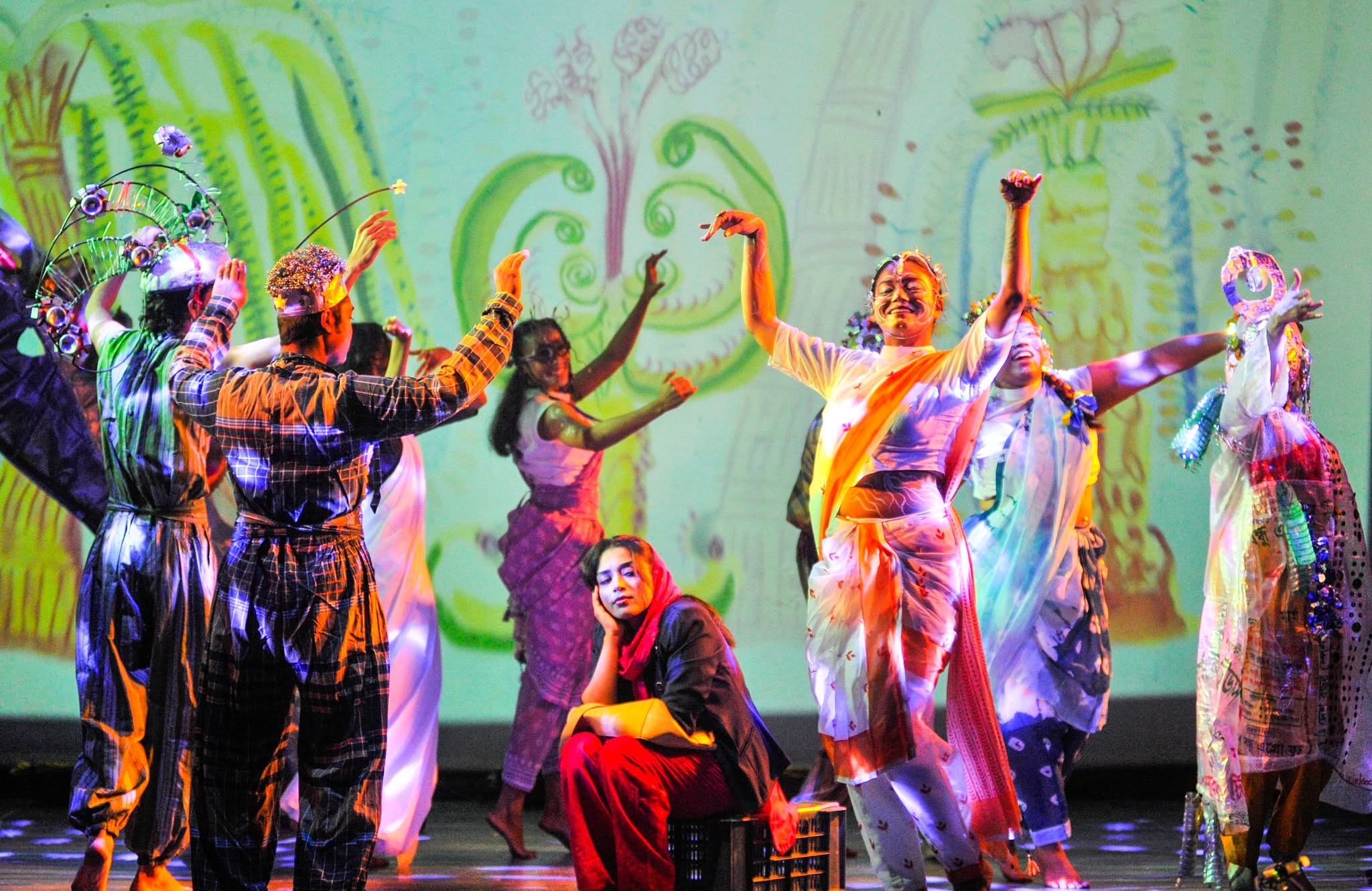
Staged on 13 and 14 August at Bangladesh Mahila Samity in Dhaka, the production will travel to Chattogram for two more shows on 24 and 25 August. Drawing inspiration from Begum Rokeya Sakhawat Hossain’s Sultana’s Dream, it revisits the imagined Lady Land from a contemporary perspective.

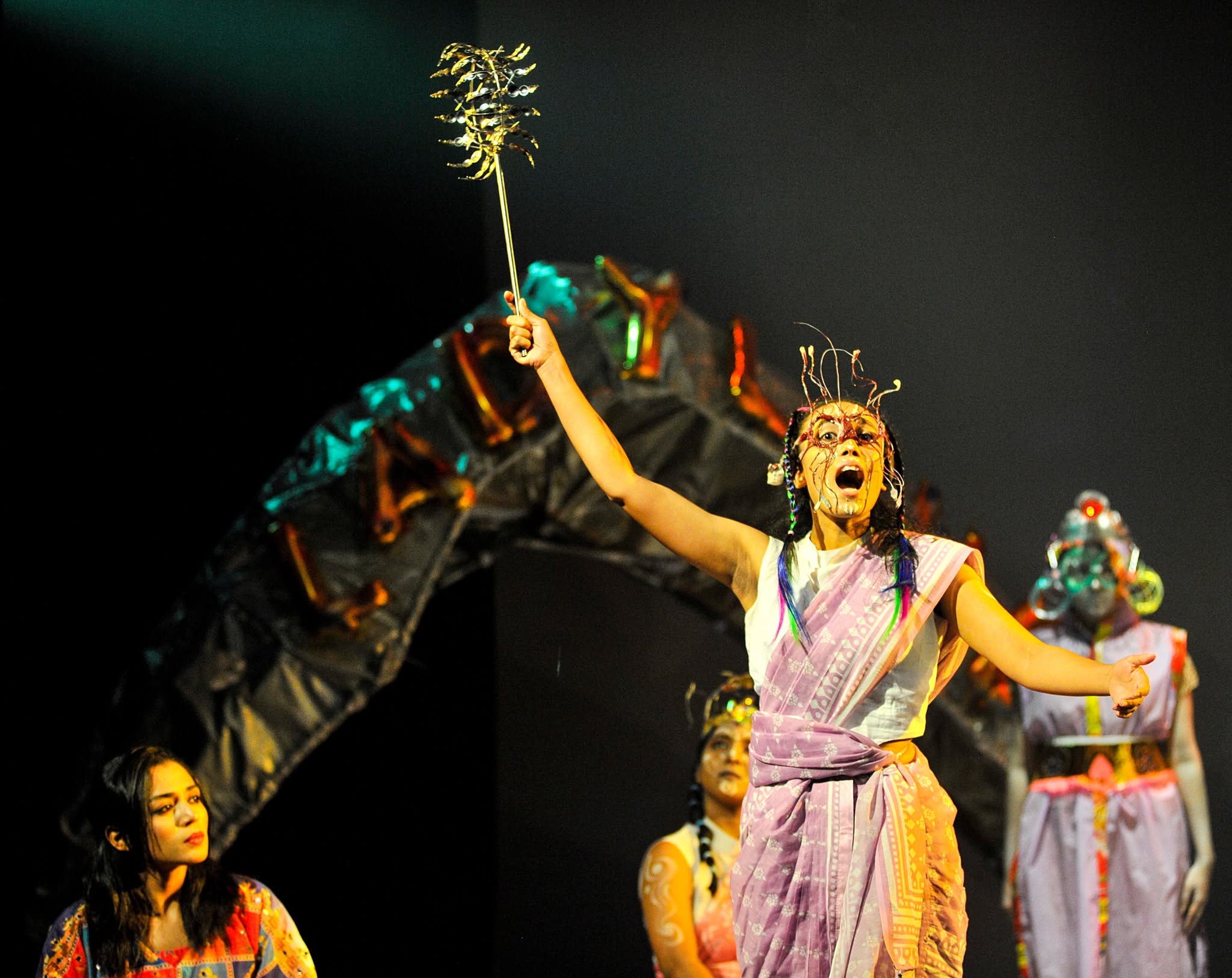
Rokeya’s 1905 story imagined women stepping into positions of power while men were confined to the mardana, reversing the gendered restrictions of her time.
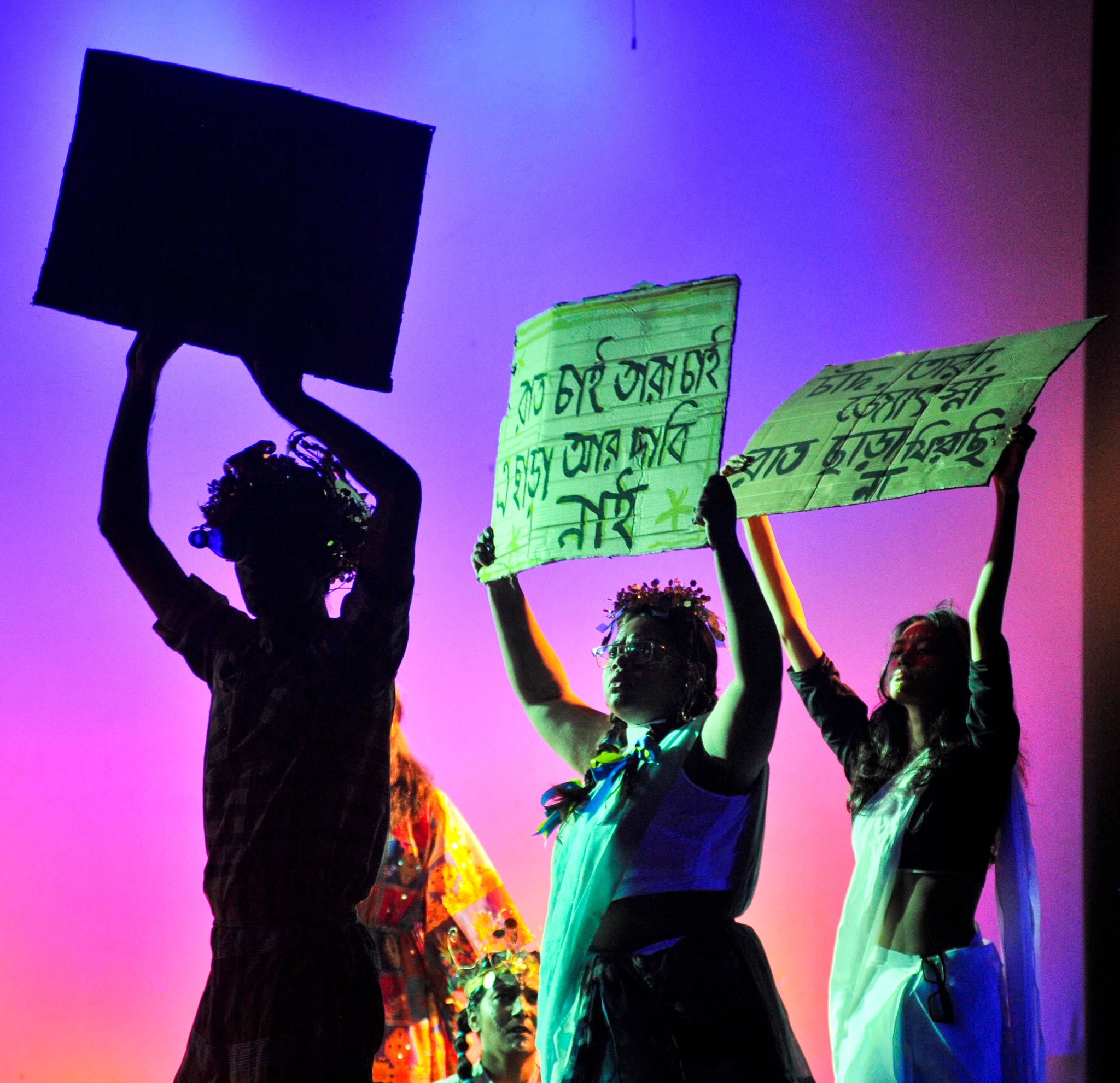
But Project Lady Land asks a more uncomfortable question: does discrimination become acceptable simply because its victims have changed?




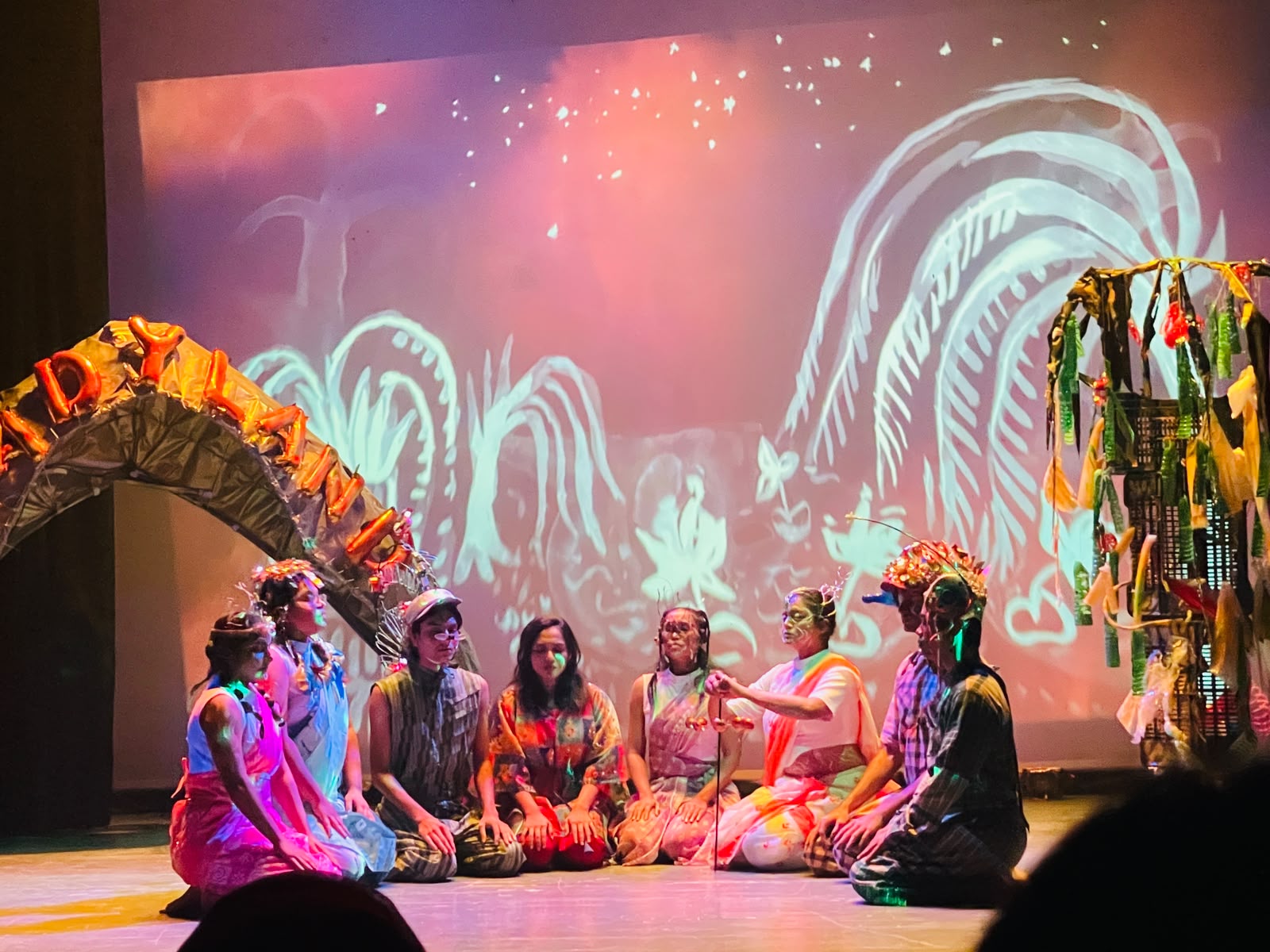
At first, Lady Land appears perfect and orderly. The audience enjoys watching men experience restrictions usually imposed on women. But as the performance unfolds, that excitement gives way to discomfort as the cruelty behind the system emerges.
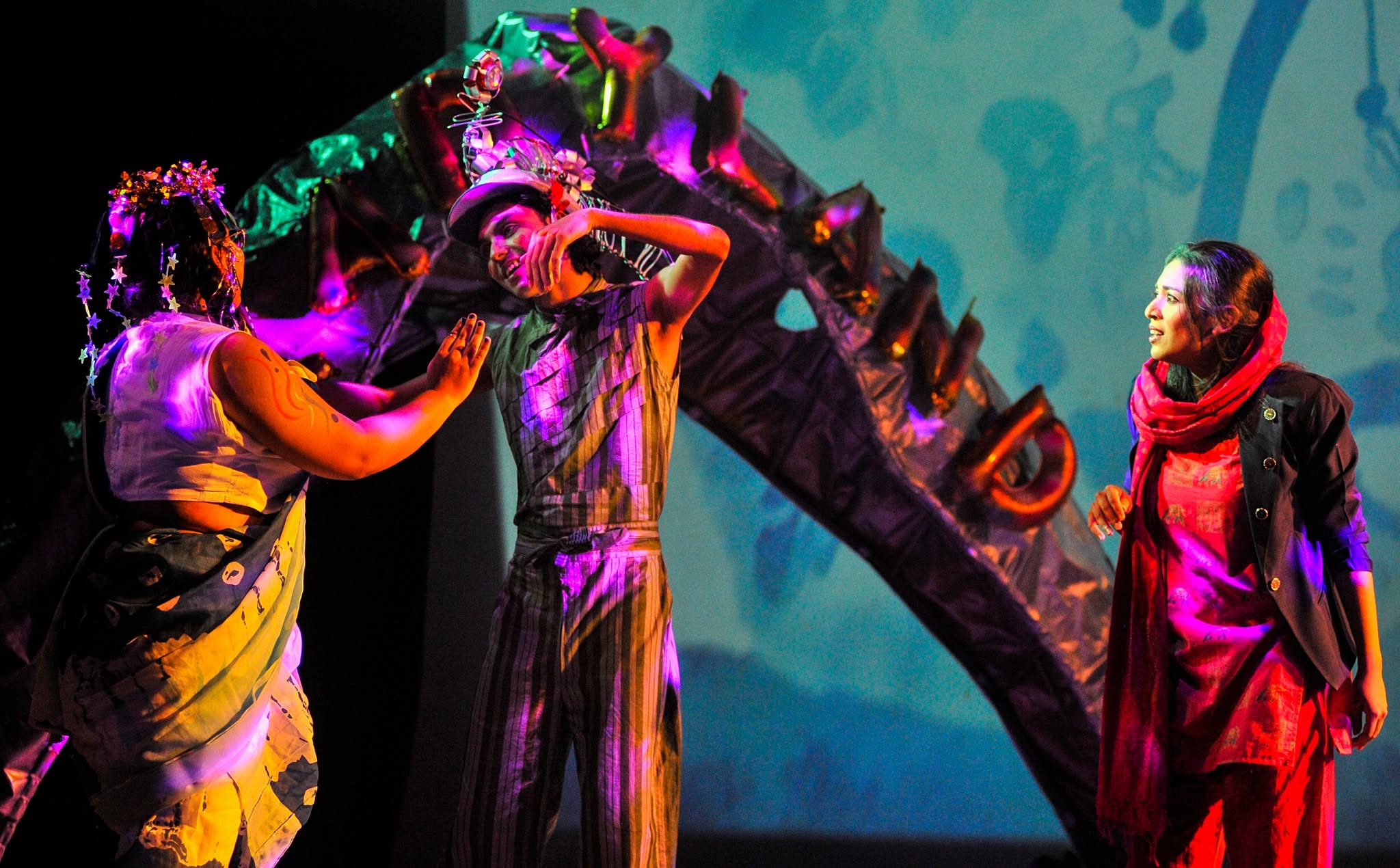
The mood shifts. Laughter becomes harder. The audience confronts a simple truth: isolation is wrong, regardless of who is being isolated.
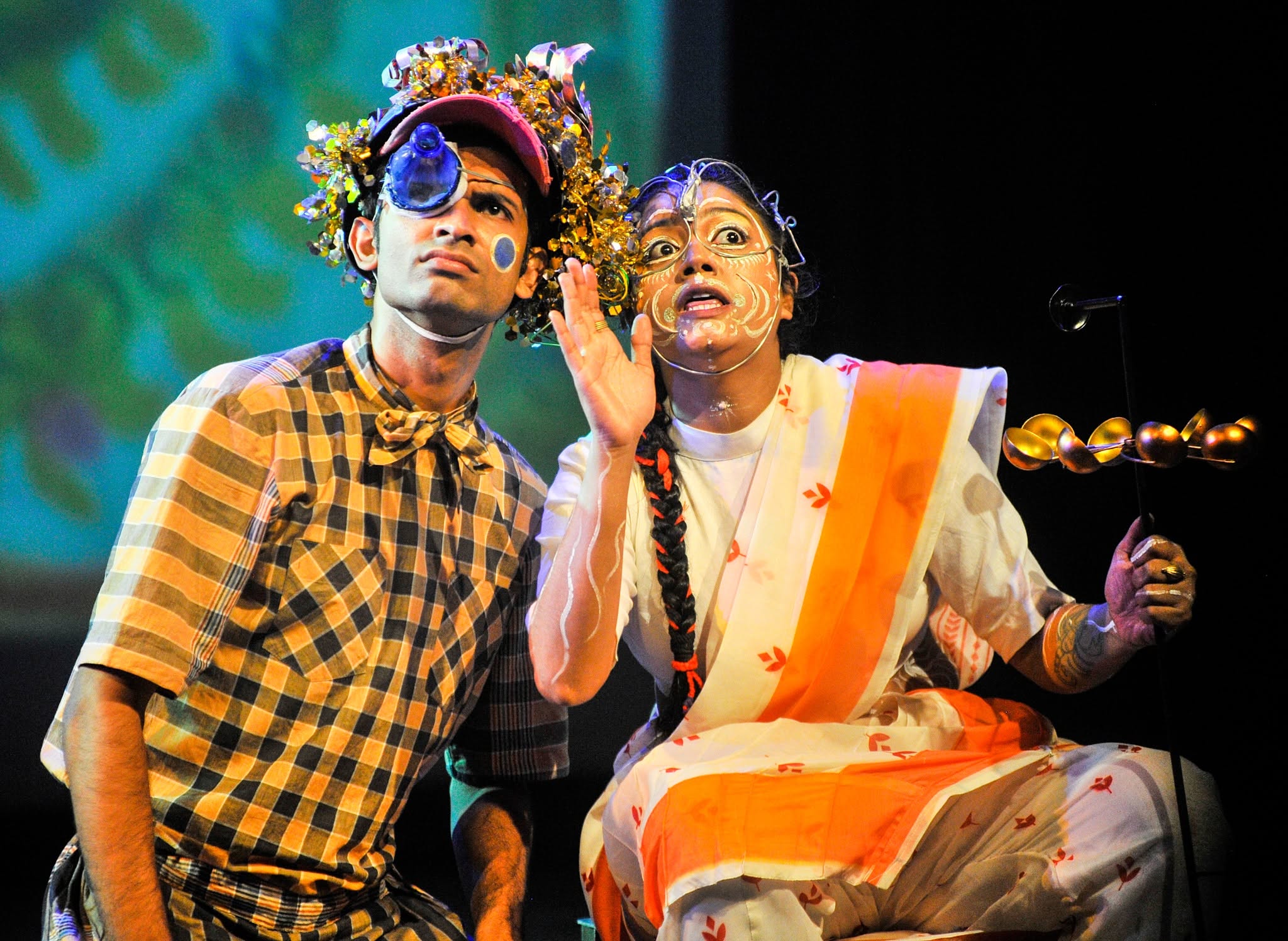
Cast member Ikra told Times that the team wants audiences to understand the project’s core idea. She believes discrimination has no fruitful solution. Whether directed at women or men, she said, it remains discrimination.
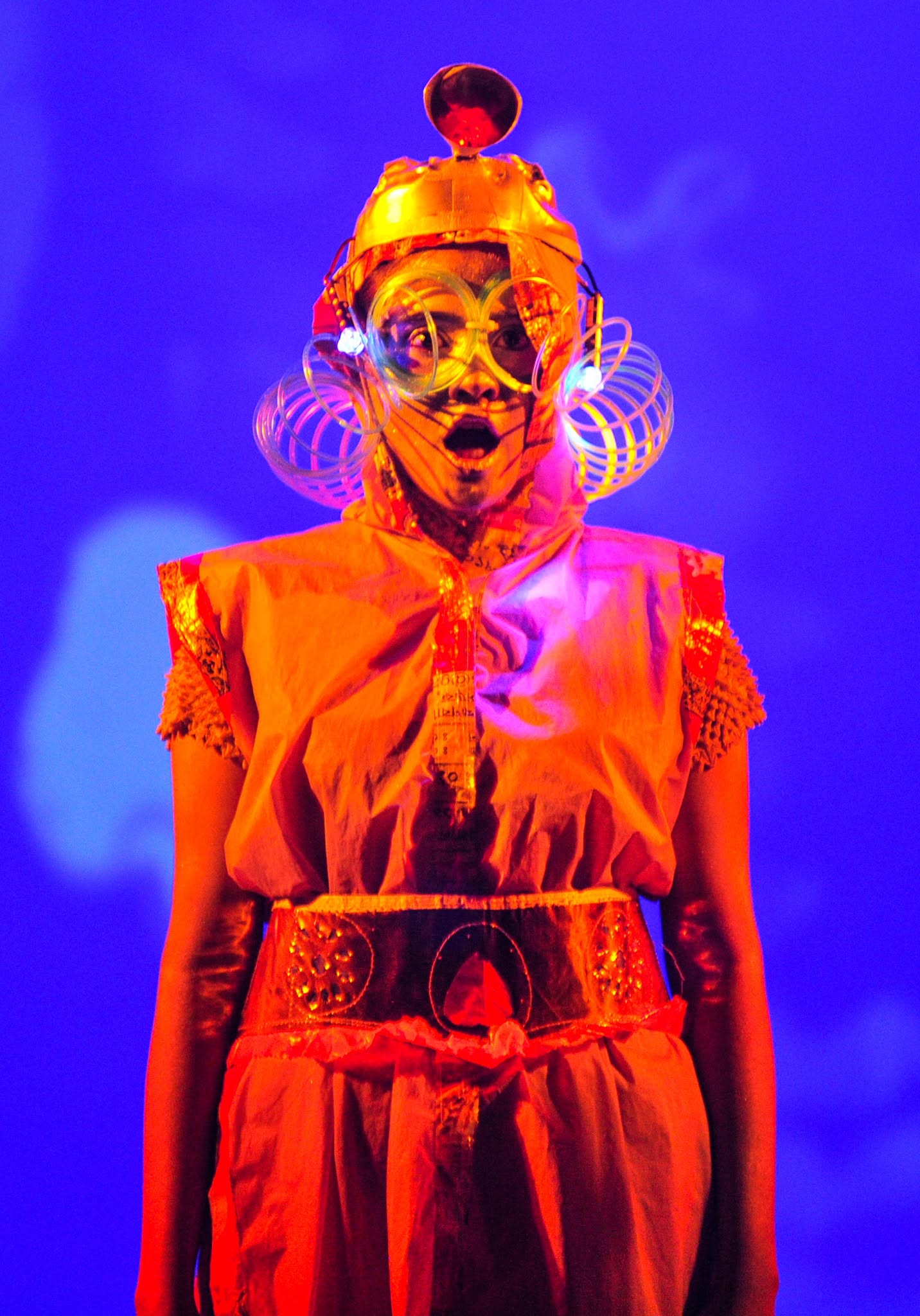
Audience member Raisa said she would love to revisit stories like this repeatedly, praising Her Story for bringing Rokeya’s Sultana’s Dream into today’s context.
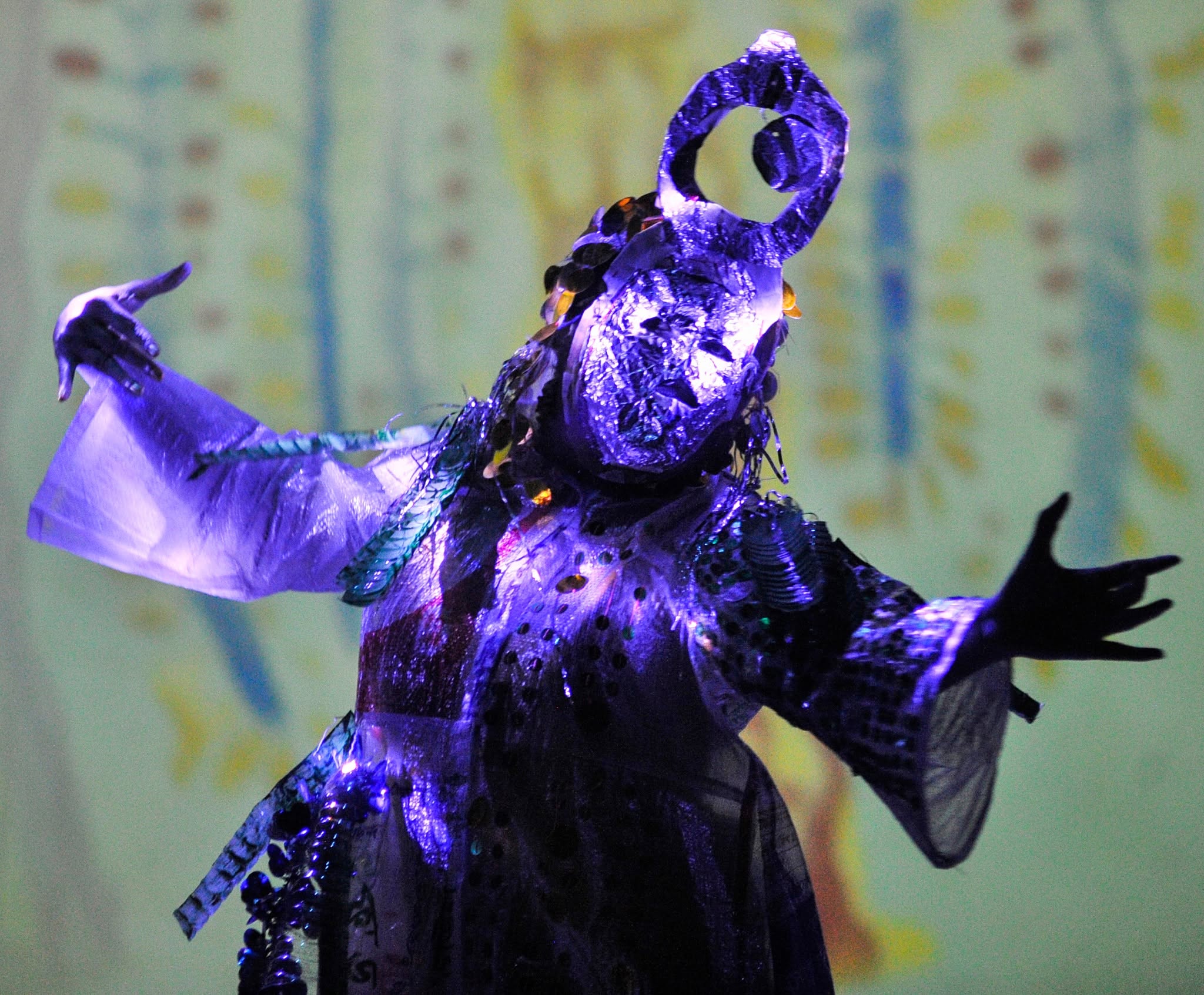
At the end, the organisers also state that the team stands against policies at Dhaka University halls restricting female students from going outside at night.
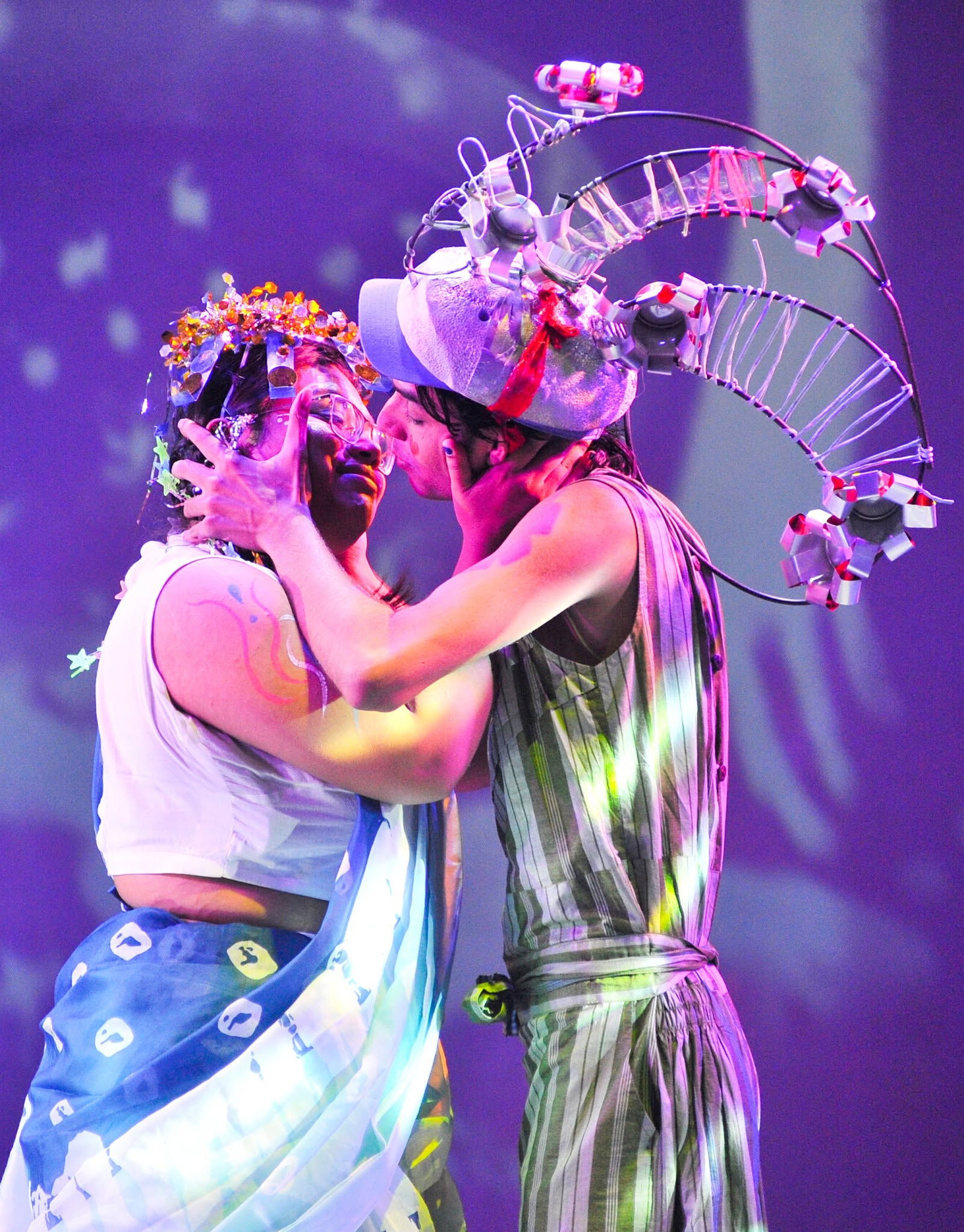
That is where Project Lady Land finds its strongest voice. It takes audiences into a dream land to confront a harsh truth. By reversing the rules, it makes the familiar unfamiliar. What feels like fantasy becomes a mirror.
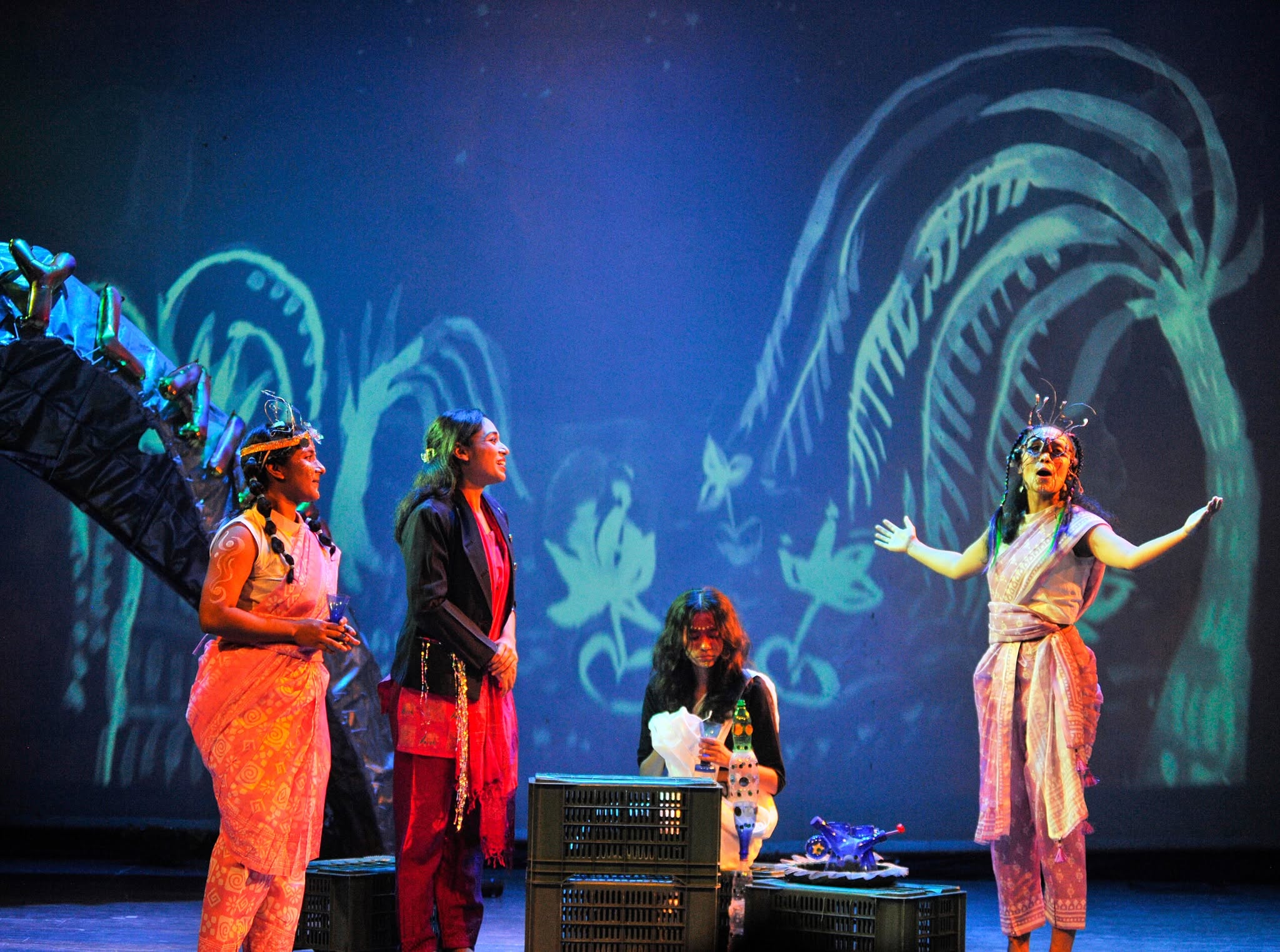
The cheers, laughter and emphatic “No, no!” are part of the experience. So is the discomfort that follows.
By the time the audience leaves Lady Land, the question is no longer about men going outside after sunset. It is whether a world built for both men and women can ever be truly fair when one gender must be confined for the other to feel safe.