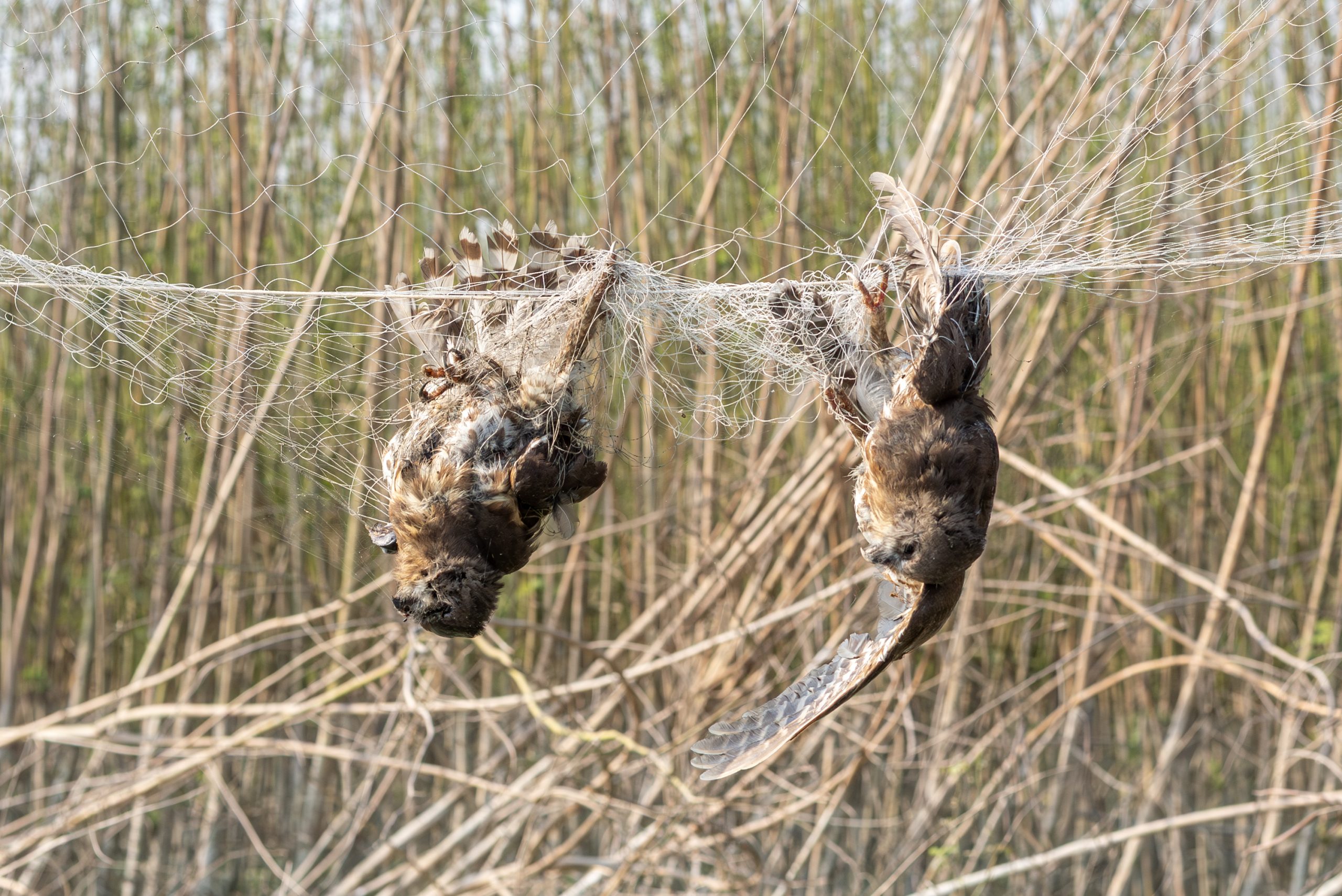

The skies of Bangladesh, once alive with vibrant flocks of local and migratory birds, are becoming eerily silent. Across the country, indiscriminate bird hunting has escalated into a national crisis, putting both biodiversity and ecosystems at grave risk.
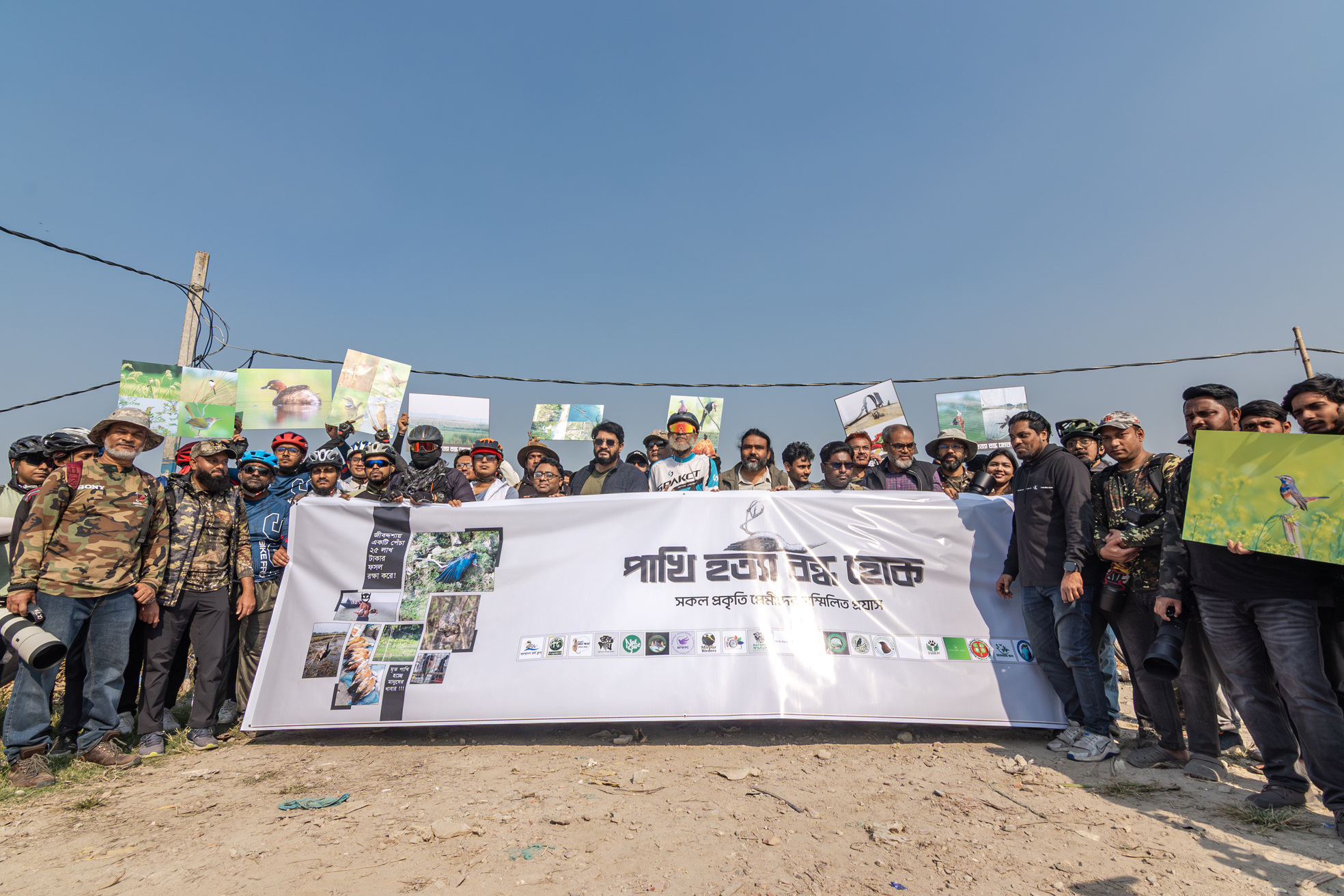
On Friday, 12 December 2025, wildlife photographers, birdwatchers and nature enthusiasts gathered at New Vision Ecocity near Kalatia for a photo walk, birdwatching session and awareness program aimed at highlighting this alarming trend.
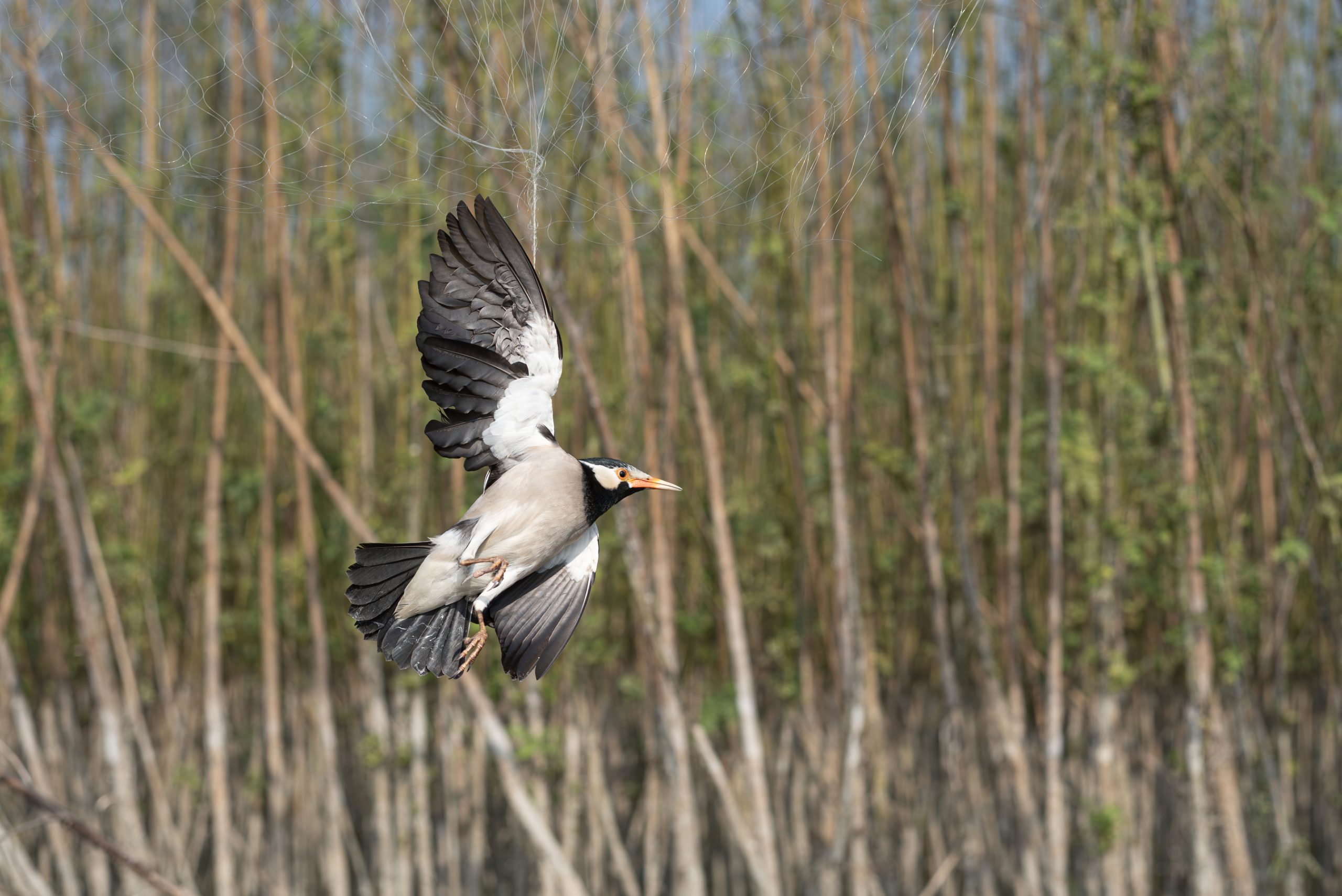
Over fifty species, including Black Bitterns, Black-crowned Night Herons, Cormorants, Warblers, Baya Weavers and Brahminy Kites, were observed during the event. Participants used the opportunity to call for immediate action against illegal hunting and to educate local communities about its devastating consequences.

Eminent zoologist Professor Dr Mohammed Mostafa Feeroz joined the procession just after returning from Char Kukri-mukri for another wildlife conservation program. He said, “We must work together to stop the hunting of wild birds and wild animals.”
Adnan Azad, Convener of Bangladesh Animal Welfare Association (BAWA), added, “Indiscriminate killing of birds and wildlife is equivalent to destroying nature. Both local and migratory birds are our natural assets; they must be protected.”




Experts warn that the threat is not confined to urban areas. Remote regions from Sylhet to Rangpur, Kurigram to Chattogram, are witnessing an alarming surge in bird hunting. Despite existing laws banning airguns and other harmful hunting practices, nets, traps, and poison baits are widely used, often with little fear of legal repercussions.

Documentary filmmaker Asker Rusho, whose film ‘Birds of Dhaka: The Sky is Shrinking’ chronicles avian decline, described hunting in rural areas as “epidemic.” Photographers such as Moushumi Siraj emphasised that women are increasingly joining conservation efforts, capturing the plight of birds and advocating for protective measures.
Scientific and ecological experts underscore the broader consequences. “Birds are not just colours in the sky; they are living indicators of our environment,” said Dr Safiqul Islam of the Max Planck Institute. Their disappearance disrupts pollination, soil health, and the natural balance, ultimately threatening food security and human wellbeing.
In regions like Naogaon, Chapainawabganj, and the Haor wetlands, airguns, electric nets, and illegal traps continue to claim countless avian lives. “Bird hunting paves the way for environmental destruction. Every bird is a critical part of the ecosystem,” warned activist, Mohammad Afzal Hossain Khan.
The call to action is clear: protecting birds requires vigilance, legislation and active community engagement. Conservationists insist that safeguarding avian populations is essential not only for nature but for future generations. Let us build a safer Bangladesh for birds together.