The government is planning to experimentally introduce a hybrid model of online and offline classes in selected educational institutions in the capital to address the global energy crisis, mitigate severe traffic congestion, and adapt to a technology-based education system.
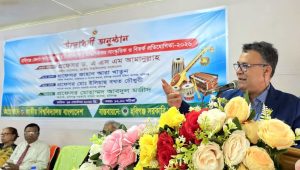
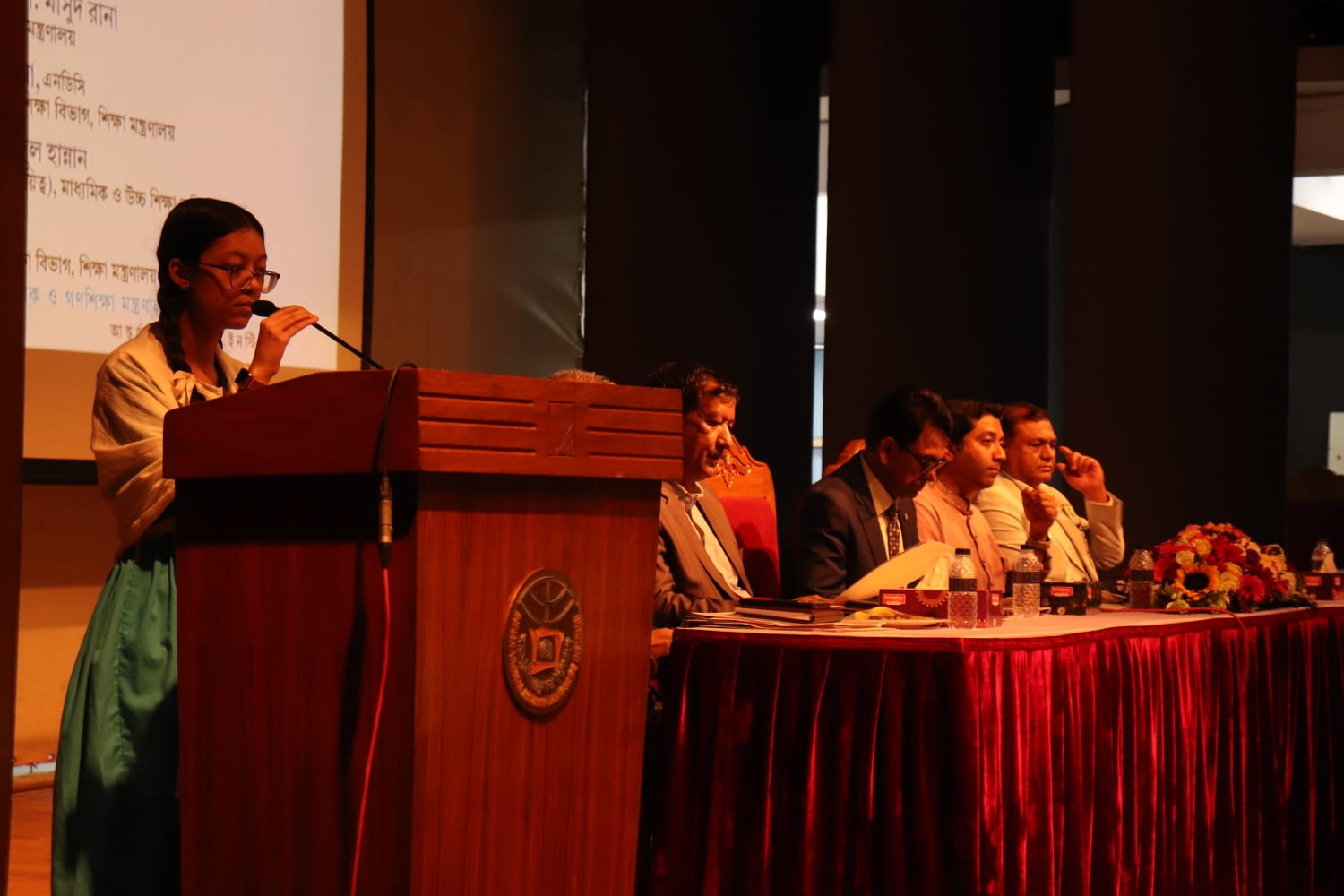
Education Minister ANM Ehsanul Hoque Milon announced the move on Wednesday while speaking at a seminar titled “Continuing education activities and saving electricity in the context of the global energy crisis,” held at the International Mother Language Institute.
Addressing the event as chief guest, Milon clarified that the hybrid classes initiative will not be implemented in all schools at once. Instead, it will be launched as a pilot project in institutions that possess the necessary capacity to ensure fuel savings and reduce traffic pressure while maintaining regular academic activities.

Under the proposed model, classes will be held online for some days of the week and offline for others. Milon noted that this would decrease the physical presence of students on the streets, thereby easing traffic and reducing fuel consumption.
“The education of the future will be technology-dependent and largely paperless. The use of digital systems will increase everywhere, from Parliament to the classroom,” the minister said, adding that students must be prepared for this reality.
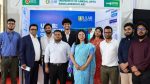
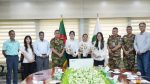

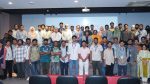
Milon emphasised that teachers must receive increased training and supervision to make online classes effective, and monitoring is necessary to ensure students remain attentive during digital sessions.
He further mentioned that the government has already taken steps to save electricity, such as regulating air conditioner temperatures and adjusting office hours, while also promoting solar power and electric transport.
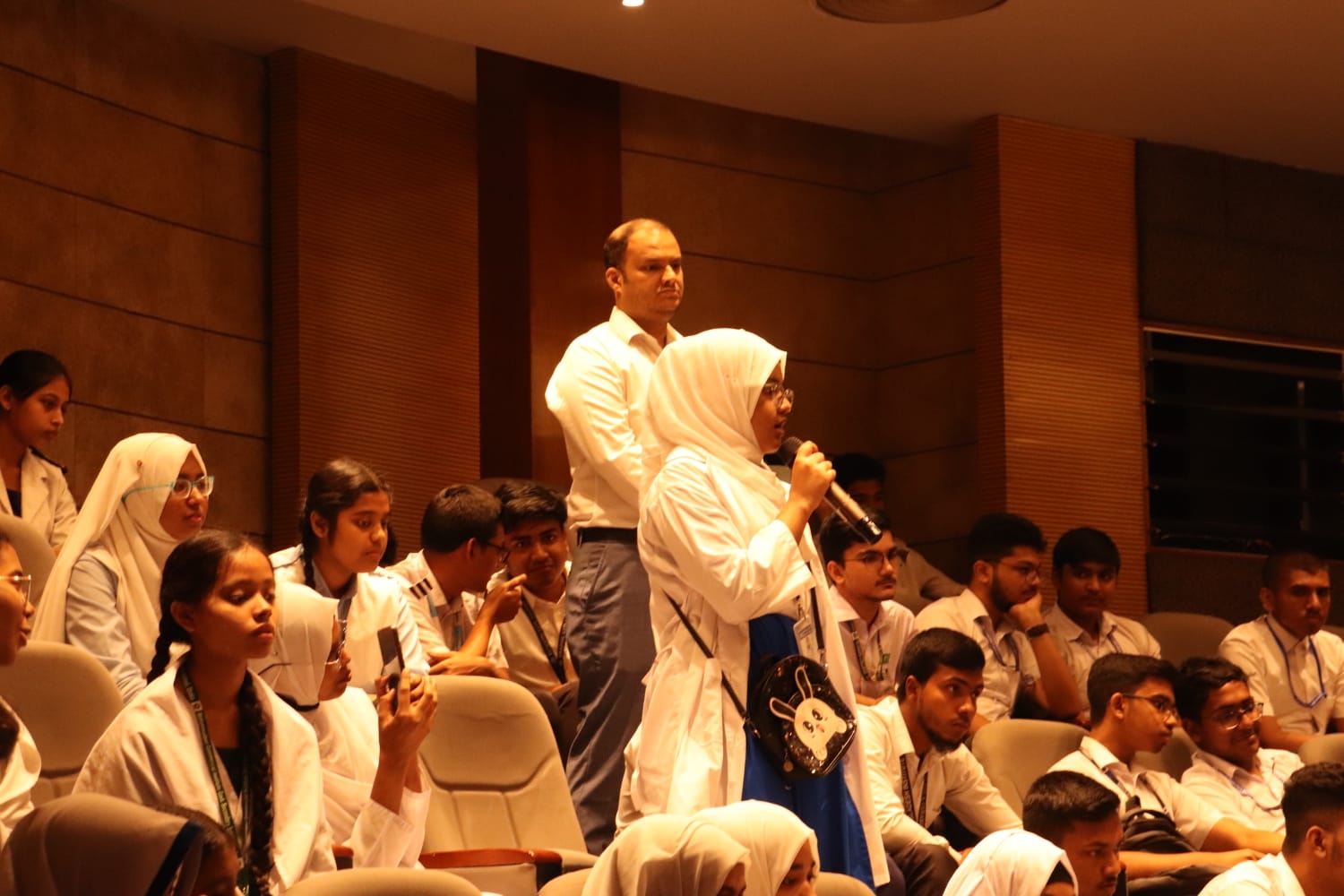
Speaking as a special guest, State Minister for Primary and Mass Education Bobby Hajjaj said the world is currently in a crisis.
He stated that the government and the Prime Minister are working for the welfare of the people and that the seminar was organised to seek everyone’s cooperation in overcoming current challenges.
The seminar was chaired by Secondary and Higher Education Division Secretary Abdul Khalek, while Director General (additional charge) of the Directorate of Secondary and Higher Education BM Abdul Hannan delivered the welcome address.
Other attendees included Secretary of the Ministry of Primary and Mass Education Abu Taher Md. Masud Rana and Secretary of the Technical and Madrasa Education Division Md. Daud Miah.