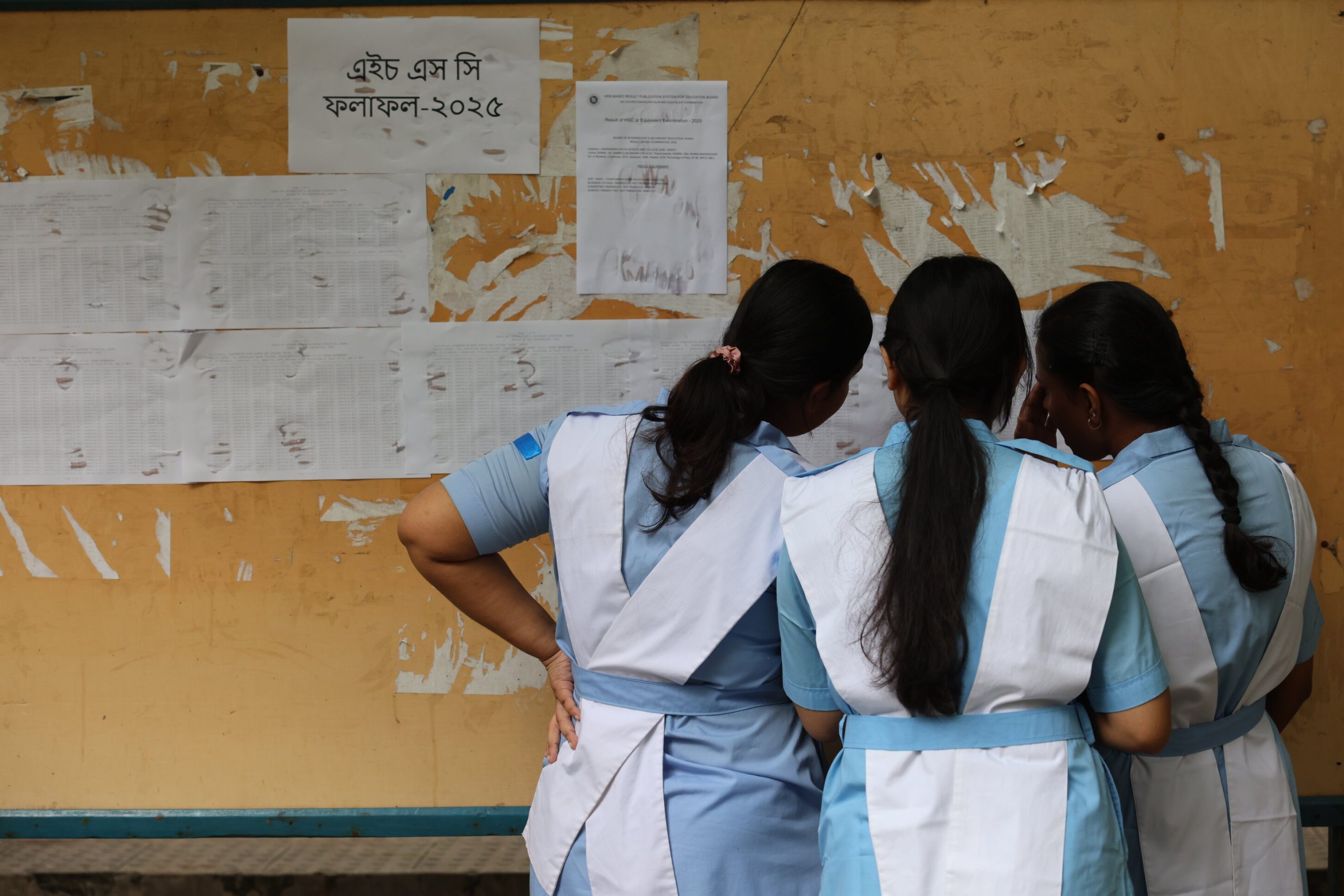
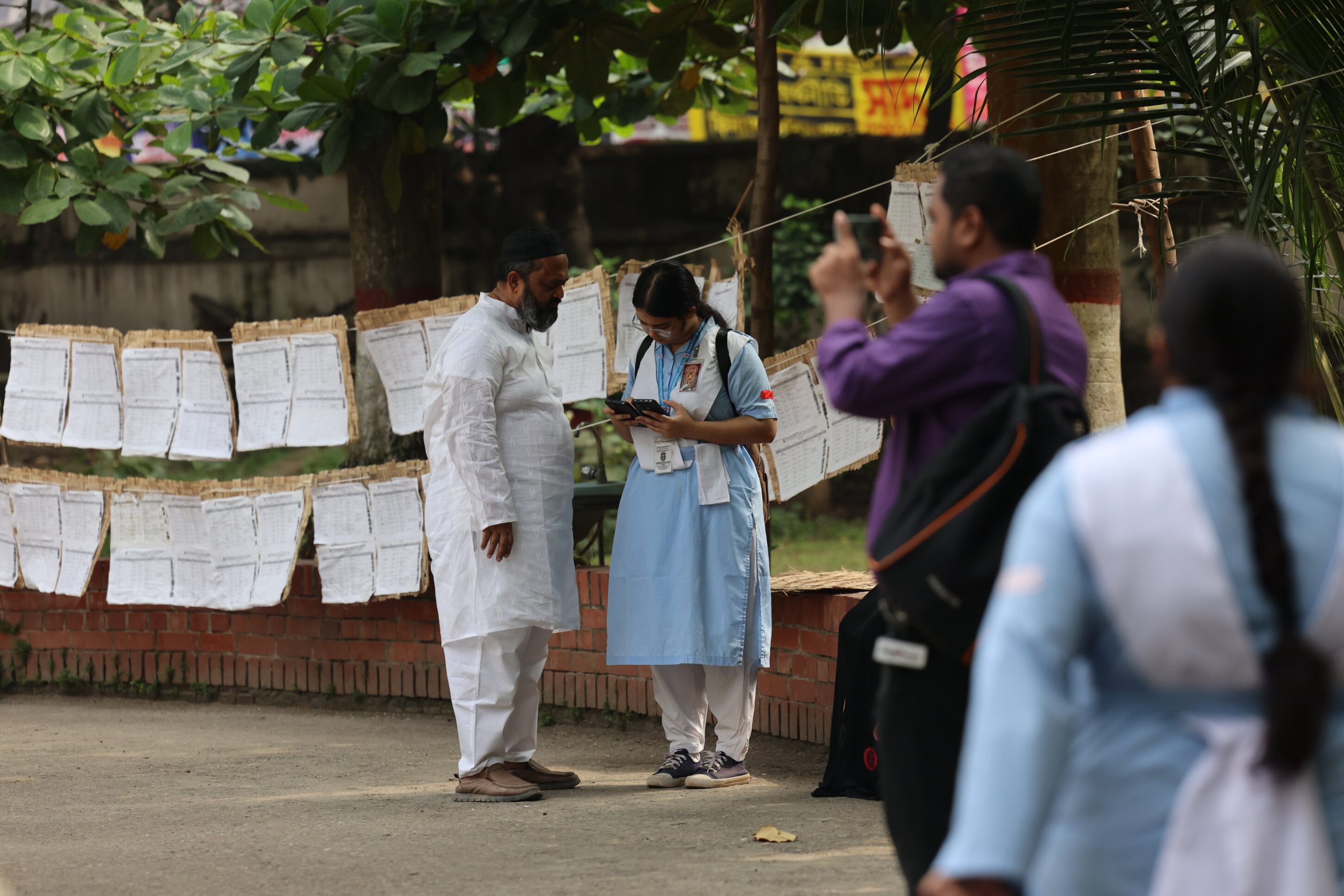
This year’s Higher Secondary Certificate (HSC) and equivalent examination results have sent shockwaves across the country. A staggering 41.17% of students failed and 202 institutions recorded zero pass rates. By comparison, last year only 65 schools had zero passers, marking a sharp rise of 137 institutions.
In total, 1,251,111 students sat for the exams under the 11 education boards, with 6,18,015 male and 6,33,096 female students enrolled. The overall national pass rate plunged from 77.78% last year to 58.83% this year. Female students outshone their male counterparts: 59,232 more females passed and 4,991 more earned GPA-5.
For many, the results appear to be a debacle, a collapse in academic performance. But experts caution against

viewing it as a mere failure of students. Professor Khondoker Ehsanul Kabir, chairman of the Bangladesh Inter-Education Board Coordination Committee, insists the numbers reflect reality rather than error.
“Students may have distanced themselves from studying. Staying away from the study table has likely caused this outcome,” Kabir said.




Behind the statistics lies a deeper shift. Many students today are less interested in memorising for exams and more focused on building online success, whether through YouTube, freelancing or social media ventures. The classroom, once seen as the path to opportunity, now competes with a world of digital possibilities where “success” can happen outside formal education.
Education Adviser CR Abrar echoed this view, framing the results as an opportunity for reflection rather than condemnation.
“We have built a culture where numbers have become the ultimate truth. Pass rates measured success, GPA-5 counts defined satisfaction. In trying to make the results look good, we may have concealed the real crisis in learning,” Abrar said.
Officials deliberately avoided giving additional marks to please students, instead assessing performance fairly. Moving forward, the ministry plans independent reviews and expert panel analyses to identify learning gaps, not assign blame.
“Results should genuinely evaluate what students have learned. This is not a failure. It is an opportunity for self-reflection, to improve both students’ learning and our education system,” Abrar added.
The HSC results are harsh. Their true value may lie in sparking a deeper conversation about what learning means today. Students and educators must find a balance between traditional academics and the digital ambitions of a generation that measures success beyond exams.