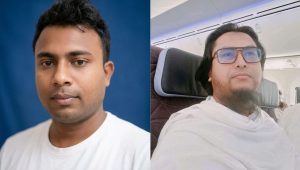
Former Foreign Minister AK Abdul Momen has described a harrowing period of more than eight months spent in hiding following the political turmoil in 2024 that led to the fall of the government led by Sheikh Hasina.
In an interview with a New York-based television outlet, Momen detailed how he went underground amid fears of mob violence, legal action, and what he alleged were extortion-driven cases. The former minister said he was left with little choice but to disappear from public view as the political situation rapidly deteriorated.
Momen had returned to Bangladesh on 29 July, 2024 – just days before the government’s fall on 5 August. Soon after, he found himself in a precarious position, navigating a landscape of uncertainty and hostility.
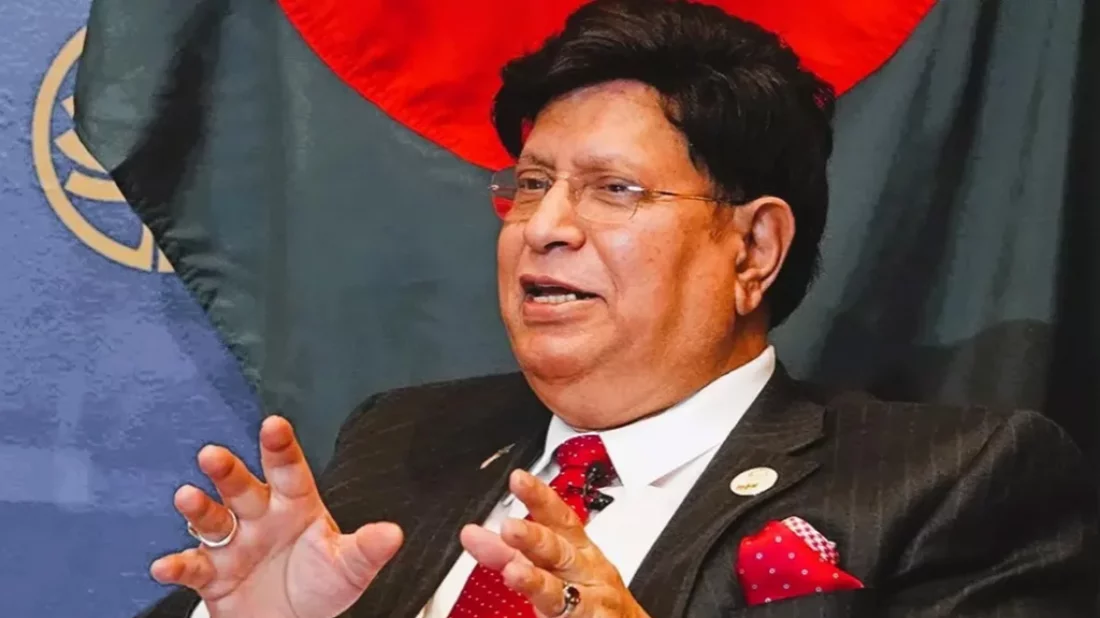
To avoid detection, he adopted a range of evasive measures, including frequently changing locations, altering his appearance, and limiting all forms of communication.
After more than eight months in hiding – approximately eight and a quarter months, according to his account – Momen eventually managed to leave Bangladesh and return to the United States, where he had lived for decades prior to entering politics.

Controversial foreign minister
AK Abdul Momen was frequently involved in controversies regarding his own comments about foreign issues and diplomats in Bangladesh.
The controversy involving AK Abdul Momen regarding a diplomat in Austria centers on his defence of Md Tauhidul Islam, a career diplomat whose nomination as the Bangladesh Ambassador to Vienna was rejected by the Austrian government in early 2023.
Austria reportedly refused Tauhidul Islam’s candidacy citing allegations of misconduct with a female colleague during his tenure as the Consul General in Milan, Italy. Abdul Momen publicly, backing the diplomat, described Tauhidul Islam as a “top diplomat” and “very brilliant.”





In another incident In August 2022, AK Abdul Momen sparked controversy by stating he requested India to support former Prime Minister Sheikh Hasina’s government to maintain regional stability.
The comments, viewed as soliciting foreign interference, drew severe criticism, legal challenges, and internal party disarray, prompting Momen to later backtrack and deny the remarks.
Frequent relocation and secrecy
During his time in hiding, Momen moved between four to five different residences, many of which were upscale, short-term rental apartments owned by garment sector businessmen. These units, typically reserved for foreign buyers visiting Bangladesh, were largely vacant at the time, allowing him to rent them discreetly on a daily or weekly basis.
He said one garment businessman personally arranged accommodation for him, while others remained unaware of his identity. By constantly shifting locations, he minimized the risk of being traced or targeted.
Changing identity
To further evade recognition, Momen significantly altered his physical appearance. He shaved his head and grew a full beard, making it difficult even for acquaintances to identify him.
Movement between locations was carried out strictly at night, often in vehicles with tinted windows and occasionally with trusted individuals providing security.
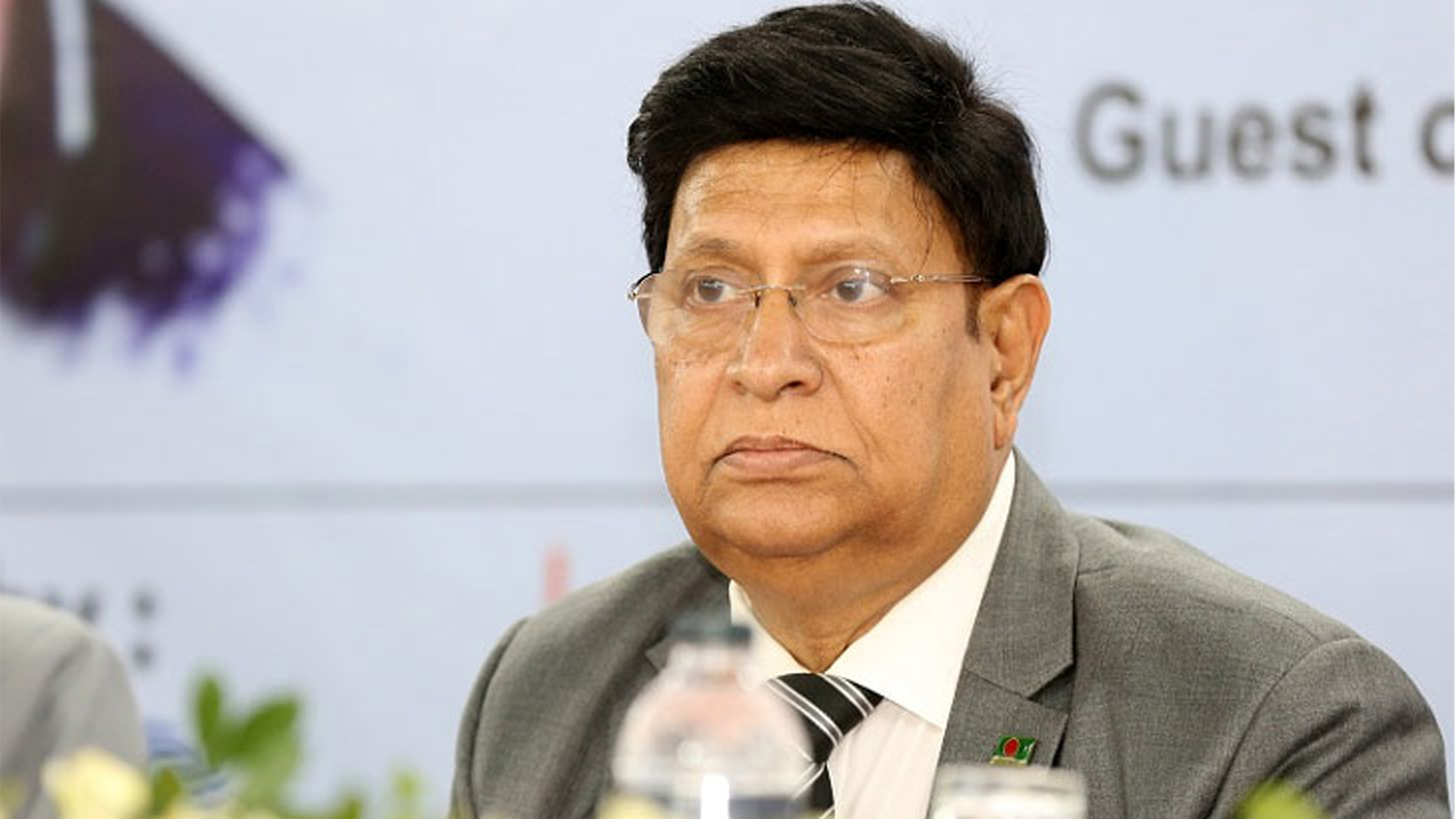
He also exercised extreme caution in communication. After his original phone number was leaked on social media, Momen changed his mobile handset multiple times and used SIM cards registered under different names. In total, he reportedly used six different phone sets to avoid surveillance or tracking.
Importantly, he avoided all contact with close relatives in Bangladesh, fearing that authorities or hostile actors could trace his whereabouts through them.
Reliance on a small network
Despite the isolation, Momen said he survived with the help of a small, trusted network of colleagues and family members.
His daughter and niece, both based in New York, played a crucial role by arranging food deliveries online. Orders – often simple items like pizza – were sent to his temporary residences in Dhaka, with building caretakers facilitating the process without knowing his identity.
This system allowed him to remain indoors and limit exposure to the outside world, reducing the risk of detection.