


Freedom is one of humanity’s most precious rights. Yet freedom has never meant the absence of all limits. It becomes meaningful only when it is guided by responsibility, morality, and respect for the rights and dignity of others. Achieving it is difficult. Maintaining it at the highest value is even harder. Many nations are politically independent, but they have not had an independent culture of freedom. The real test of freedom begins only when one actually achieves it. The question arises whether freedom is an end in itself, to merely satisfy the will of the individual, or a tool for the creation of an egalitarian society, where all persons, are treated with dignity and respect. The river, contained within its banks, serves humanity; it floods, in contrast, a destructive force, that brings disaster. The same can be said of freedom, a destructive force, when not subject to the constraints of society and ethics.
Democracy gives citizens the right to speak, but also requires responsibility for what they say. When the exercise of one person’s freedom harms another’s dignity, security, or rights, that freedom loses its moral foundation. Rights and responsibilities must therefore exist together. Article 39 of the Constitution of Bangladesh recognises freedom of thought, conscience, and expression as fundamental rights. At the same time, it acknowledges reasonable restrictions in the interests of state security, public order, morality, and the rights of others. This clearly demonstrates that freedom and responsibility are not contradictory; they are complementary.
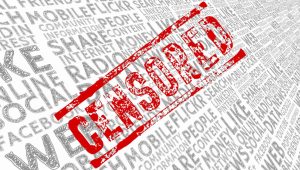
In Bangladesh’s recent political history, freedom of expression has been a subject of intense debate. During the tenure of Sheikh Hasina’s government, the use of laws such as the Digital Security Act generated widespread discussion and criticism. Many journalists, writers, researchers, and civil society representatives argued that these measures created an environment where press freedom and public expression were significantly restricted. Independent media, civil society, and critical public opinion help institutions recognise their shortcomings. A state that treats criticism as hostility ultimately loses an opportunity for self-correction. Freedom of expression is the right to speak without fear.

The July Movement of 2024 marked an important turning point in Bangladesh’s political and social landscape. Long-standing questions, grievances, and expectations found new space in public discourse. Social media became a powerful platform for civic expression, and discussions on governance, politics, and public interest expanded. This development is important for democracy because accountability cannot exist without questions.
But the misuse of social media has unfortunately proven that while freedom of expression opens up more avenues for people to speak, it has also paved the way for personal attacks, rumours, and speculation. The damage caused by misinformation, images that appear to demonstrate certain truths but are fake, and untrue claims made via the digital space is vast, and even after being proven false, continues to plague society. An immediate judgment culture has taken root where many of the citizens assume roles of the judge and the jury prior to investigation.




Unfortunately, political identity often influences how we judge people and institutions. Good work is sometimes rejected because of who carried it out, while legitimate criticism often turns into personal hostility. This weakens the culture of reason and strengthens division. Democracy does not survive through identity conflicts; it flourishes through the competition of ideas. Freedom also requires self-restraint. In the digital world, as in everyday life, ethical awareness and responsibility are essential. A single post or comment can affect another person’s dignity, relationships, and livelihood. Laws alone cannot create a responsible society; that requires conscience, discipline, and moral values among citizens.
The state also has a responsibility. Its strength lies not in controlling voices but in creating conditions where people can speak freely and safely. History shows that suppressing expression does not eliminate dissatisfaction; it only pushes grievances deeper. A wise state responds to disagreement through dialogue rather than repression. At the same time, citizens must understand that freedom does not include the right to harm others. Spreading unverified information, encouraging hatred, or damaging someone’s dignity is not an exercise of liberty; it is an abuse of liberty.
The country has experienced the consequences of excessive restrictions on expression, but it must also confront the dangers created by irresponsible use of freedom. Neither extreme is desirable. What is needed is a democratic understanding in which the state respects citizens’ voices and citizens respect the responsibilities that come with freedom – a society where criticism exists without cruelty, protest exists without hatred, and disagreement exists without intolerance.
The views expressed in this article are solely those of the author
The writer is a Professor, Poet and Columnist