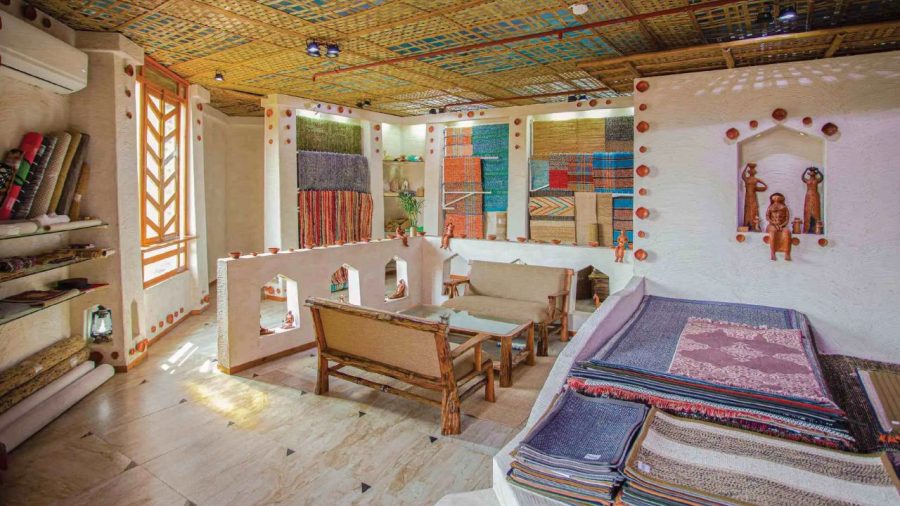



With its tranquil courtyards, pond-lined walkways, and a towering seven-storey facade draped in lush tropical plants, a rug factory in the northern city of Rangpur feels less like an industrial plant and more like a serene sanctuary.
Green Field Factory has been announced on Thursday as the winner of the prestigious RIBA International Prize, with judges describing the building as a “work of quiet humility”.
Spanning over 144,000 square feet, the facility was commended by the award’s organiser, the Royal Institute of British Architects (RIBA), for integrating greenery throughout its design.
Landscaped gardens, verdant verandahs, and a main wall draped in plants help to “bring nature directly into the workplace,” the organisation said, reports CNN.
Operable since 2017, the facility was visited by RIBA’s judging panel in September this year following previous delays caused by circumstances such as the pandemic.

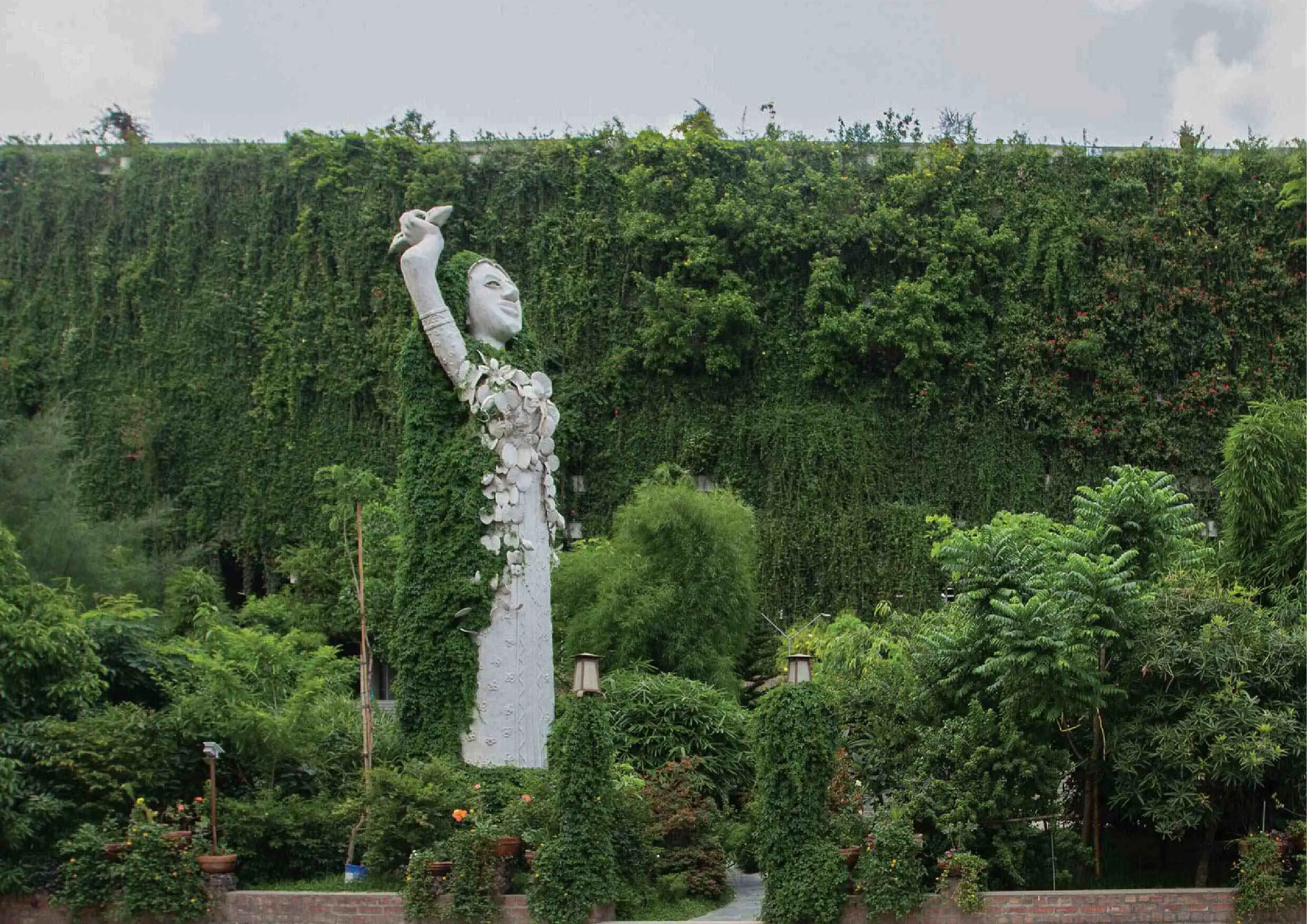
Operated by Karupannya Rangpur Limited, which produces handmade rugs as well as textile items including doormats and bathmats, four of the seven-storey factory’s floors house textile manufacturing areas, while the remaining floors contain packaging operations and a warehouse.
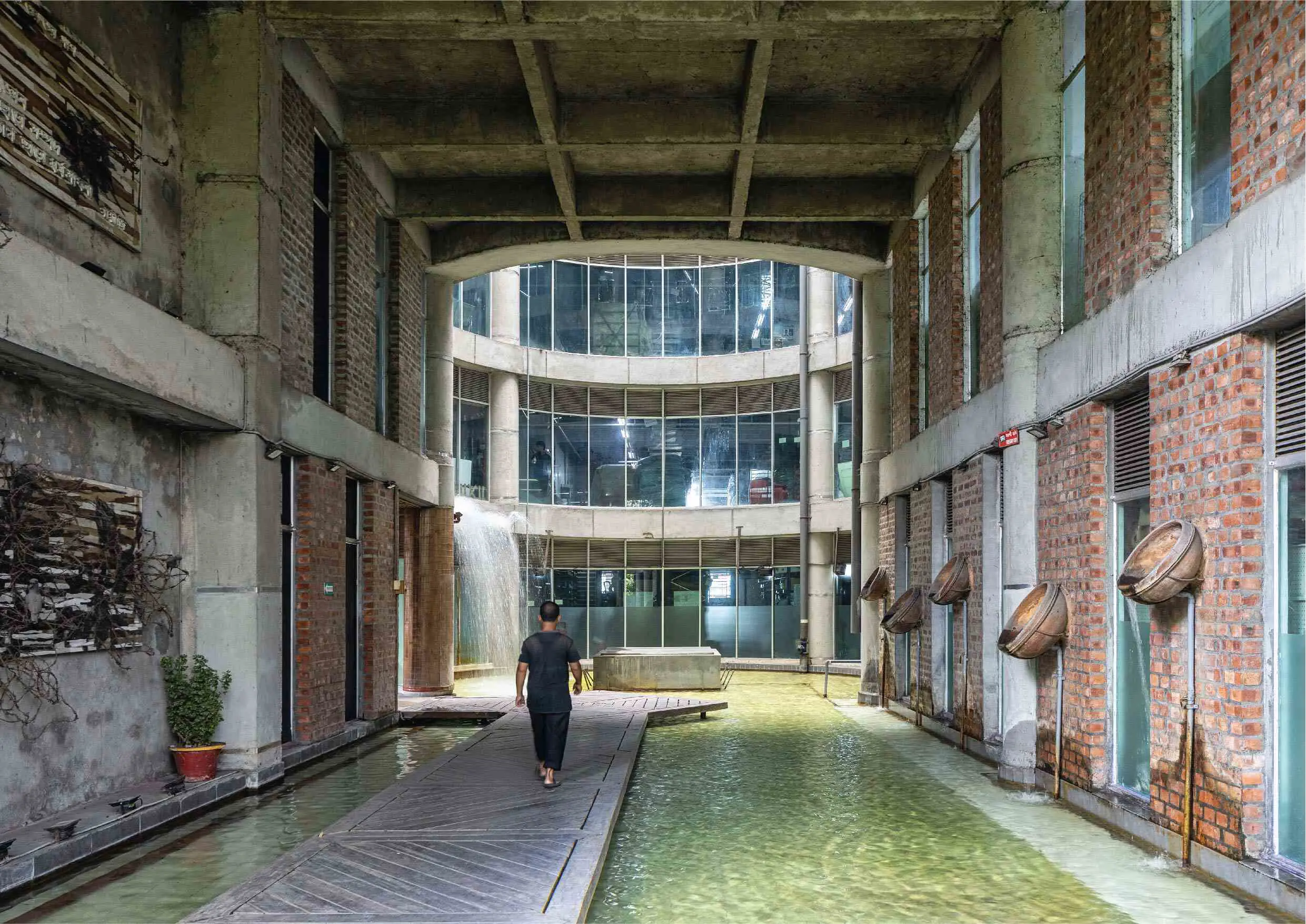
The project was designed by Bangladeshi firm Nakshabid Architects, who drew inspiration from traditional Bengali homesteads that are typically interspersed with courtyards and ponds.
The biennial prize frequently honours community-focused projects rather than eye-catching icons, and the jury specifically praised the architects’ focus on the facility’s approximately 5,000 employees, who are mostly female.



Worker amenities include a rooftop daycare centre, an on-site medical practice, shaded areas to socialise, and a shaded eating area set within the gardens.
Employees also frequently use these amenities with their families outside working hours. At the entrance stands a large statue of a female figure, which the architects explained represents the “strength of women’s empowerment”.
Challenging ingrained social hierarchies in a country where labourers and senior staff usually enter large factories via separate entrances, Green Field Factory features a large staircase leading to a central entranceway used equally by workers, managers, and owners.
In his citation, jury chair Bijoy Jain praised this “equanimous shared portal,” while RIBA noted that the design prioritised employee well-being and established an “alternative model for factory design and operation”.
Ahead of Thursday’s announcement, Nakshabid Architects’ founder and principal, Bayejid M Khondoker, stated that he sought to “prove that industry can breathe, nurture and inspire”.

“We asked a simple question: What if a factory were designed first as a home for the people who work in it?” Khondoker said, noting that every courtyard, garden, water body, and verandah developed from that core idea.
“A factory should not be a machine that consumes human energy. It should be a living place that restores it.”
The factory’s human-centric approach stands in stark contrast to broader conditions in Bangladesh, one of the world’s largest textile producers, where factory safety remains an ongoing concern among labour rights groups.
In 2013, the collapse of Rana Plaza, a nine-storey building crammed with garment factories outside the capital, Dhaka, killed 1,100 people due to cultural and structural failures, including ignored safety warnings that forced workers back inside despite cracks in the structure.
Green Field Factory was one of two Bangladeshi projects shortlisted among four finalists for the prize, alongside the climate-responsive BRAC University in Dhaka. The remaining finalists were located in Belgium, comprising a renovated 1960s office building and an expanded art institute.
Established in 2016, the RIBA International Prize is widely regarded as the most prestigious accolade awarded to a single building, celebrating visionary design excellence every two years despite pandemic-related disruptions to its schedule.
Last awarded in 2024 to a six-storey timber social housing project in Barcelona, Spain, previous winners include a rural school in Brazil, a university in Lima, Peru, and a serene hospital in a remote, flood-prone area of Bangladesh.