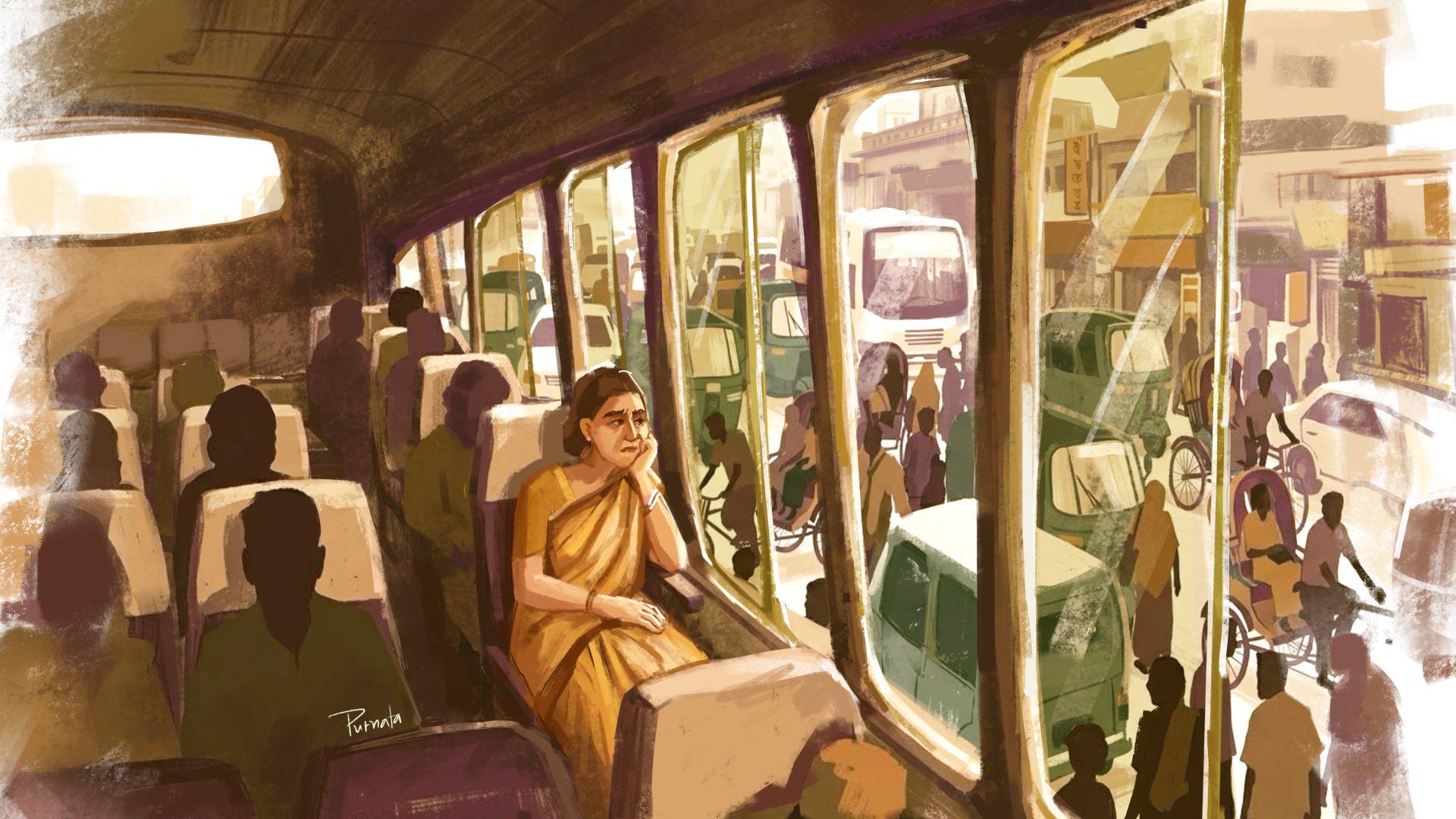
Raising a daughter in Bangladesh often comes with a quiet weight of fear, hope and constant vigilance. While the country has made visible progress in education, healthcare and economic growth, safety and dignity for women remain deeply unresolved issues. Harassment, sexual violence and everyday discrimination continue to shape the realities of girls and women, forcing parents to confront difficult questions about protection, opportunity and the future.
With a population of over 170 million, Bangladesh is far from homogeneous. Social norms, financial security and access to opportunity vary sharply across class and geography, and so do the experiences of raising a daughter. For many families, the struggle begins early.
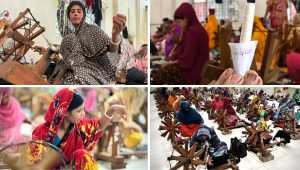
Shayla Akhther, 24, is a garment worker living on the outskirts of Dhaka. She became a mother at 19. Raised in a small village in Khulna, she was married at 17, an age that may shock urban readers but remains widely accepted in many rural communities. Shayla left school after the fifth grade because her family believed further education was unnecessary for a girl who would eventually be married off.
Yet Shayla dreams of something different for her five-year-old daughter, Arisa.
“After coming to Dhaka, my husband helped me get a job at the garment factory he worked in,” Shayla says. “Together, our income was just enough to survive. Unlike many people around us, my husband always wanted a daughter. By the grace of Almighty Allah, Arisa was born five years ago.”

Her husband, Sumon Khan, shares both pride and frustration. “I always wanted a daughter and wanted to educate her so she could dream,” he says. “But society never makes it easy. When Arisa was born, some neighbours came to offer condolences instead of congratulations. Now that she has started school, the comments are getting harsher every year.”
Shayla adds quietly, “Almost every day, someone asks me what the point of educating a daughter is if she will marry and leave anyway.”



For working-class families like Shayla’s, these conversations are not isolated incidents. They are woven into daily life – at markets, workplaces and family gatherings, constantly questioning a girl’s worth and her right to ambition. Yet the struggles of raising daughters are not limited to poverty. They simply take different forms.
Nowrin Zaman, 42, works at a renowned multinational company and lives a far more financially secure life. Her two daughters are currently completing their undergraduate degrees in Canada.
“I never felt this country was truly safe for my daughters,” she says. “The moment I had the opportunity, I sent them abroad. They are happy, confident and thriving.”
Her husband, Ishtiak, recalls a moment that changed everything. “Our younger daughter came home crying one day because a man catcalled her and followed her,” he says. “I was furious and helpless at the same time. As much as I miss them, I am relieved they are not living here during such instability.”
These two stories – one rooted in survival, the other in escape reveal a shared truth: across all classes, parents fear for their daughters’ safety. Whether it is child marriage, limited education, street harassment or sexual violence, the risks are constant and deeply ingrained.
Over the years, attitudes towards daughters have shifted. Many parents now celebrate the birth of a girl and invest in her education. Women are leading in garments, banking, entrepreneurship and public service. Yet the country continues to fail its girls in one critical way, ensuring a safe environment where they can live freely and confidently.
This failure is not just a social injustice; it is a national loss. When half the population is forced to navigate fear simply to exist, development remains incomplete. Girls grow up learning to adjust rather than demand, to stay silent rather than speak up, to shrink rather than expand.
Yet hope persists. It exists in Shayla’s determination to educate her daughter despite ridicule. It exists in Sumon’s quiet defiance of outdated norms. It exists in parents like Nowrin and Ishtiak, who refuse to compromise their daughters’ safety, even at great emotional cost. Most importantly, it exists in the girls themselves – curious, resilient and full of potential.
Bangladesh has come a long way, but the journey is far from over. A safer future for daughters will not come from individual sacrifices alone; it requires collective responsibility. Stronger laws, safer public spaces, education that challenges patriarchy and a cultural shift that values girls not as liabilities, but as equals.
Until that transformation is complete, raising a daughter here will remain an act of courage. But perhaps one day, it will simply be an act of pride.