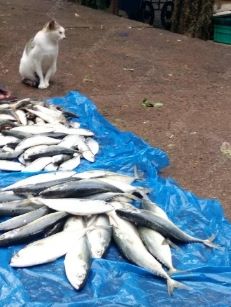

Hilsa, the beloved fish that once graced every Bangali dining table, has become a rare sight in Khulna’s markets this peak season. Despite it being the prime time for hilsa fishing, a drastic drop in catches has sent prices soaring, making the fish unaffordable for many.
A visit to Khulna’s main wholesale fish hubs, Ghat No. 5 on the Bhairab River and the Rupsha Fish Ghat, painted a bleak picture. The usual hustle of traders selling baskets of hilsa has given way to an eerie silence, with frustration brewing among both buyers and sellers. Prices have surged, and even many small traders are now abandoning the business, reports UNB.
Sayeed Ali, a third-generation hilsa trader, expressed his concern: “My father and grandfather were both in this trade. But in all these years, I’ve never seen such a shortage during peak season. Prices have shot up, and many small traders have left the business.”

Retailers are increasingly reluctant to buy hilsa due to the high prices, turning to other fish instead. At Khulna’s New Market, 60-year-old rickshaw puller Jalal shared his disappointment: “Hilsa is just for show now. We can’t afford to buy it. Two years ago, I bought four small jatka for Tk 550. Now, I just look at it from afar.”



At local markets like New Market and Moylapota, large hilsa (over 1 kg) are priced at Tk 2,700 each, with smaller fish (600–700 grams) going for Tk 1,900. These prices are out of reach for most middle-class families. “Managing monthly expenses is becoming harder every day,” said Masuma Lima, a shopper at New Market. “Now we only get to see hilsa in Facebook photos.”
Traders are also facing tough times. “With prices like these, customers don’t come like they used to. Some days, we sell barely anything,” said Badsha Morol, a fish trader at New Market. Another trader, Pranto, added, “Selling hilsa is more loss than profit now. Many fish stay unsold for days.”
As Khulna’s once-thriving hilsa trade falters, the fish—the pride of the Padma and Meghna rivers—seems increasingly out of reach for the people who have long cherished it.