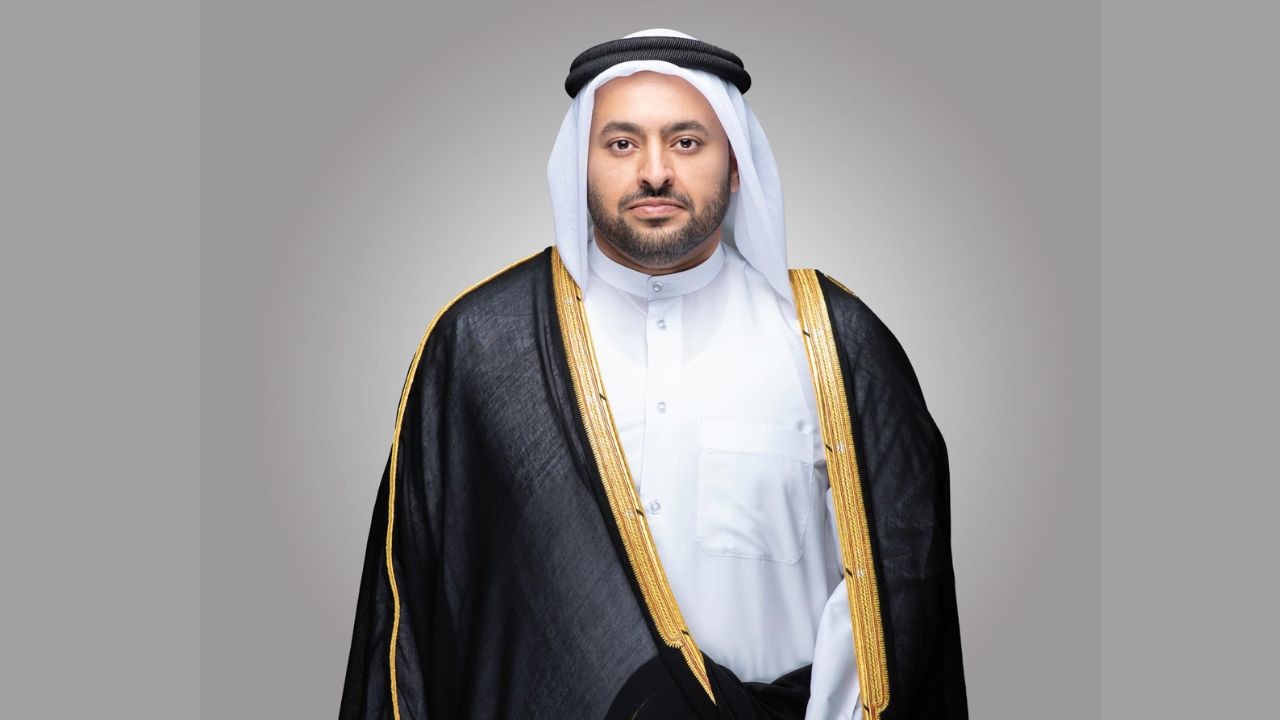



Qatar’s Minister of State for Foreign Affairs, Mohammed bin Abdulaziz al-Khulaifi, has called for an immediate reduction in regional tensions, urging the United States and Iran to resume diplomatic negotiations.
In an interview with Al Jazeera, the minister emphasised that countries within the region do not view themselves as enemies of Tehran. He warned, however, that Iran’s recent military actions against its neighbours are counterproductive for all parties involved.
Regional instability
The current escalation follows a two-week period of US and Israeli aerial bombardments against Iran. In retaliation, Tehran has launched a series of missile and drone strikes targeting various Gulf states and other regional territories.

These actions have resulted in human casualties, the destruction of vital infrastructure, and significant interference with the region’s energy-based economy.
Al-Khulaifi expressed “extreme worry” regarding the broadening scope of these attacks, particularly those hitting civilian sites. He asserted that there is no viable path to a lasting peace except through a return to the negotiating table.




Sovereignty and maritime trade
The minister issued a strong condemnation of what he termed “unjustified and outrageous” strikes against Qatar, noting they represent a direct violation of national sovereignty. He stated that Doha remains committed to employing every legal avenue to exercise its right to self-defence against such aggression.
The conflict has also caused major disruptions to global shipping through the Strait of Hormuz. Al-Khulaifi highlighted the necessity of a “global solution” to maintain the flow of the Gulf’s energy supply chain, describing the freedom of movement through the waterway as “critical”.
Mediation challenges
A key point of concern raised by the minister was the targeting of nations that have traditionally acted as intermediaries. He pointed out that both Qatar and Oman have historically worked to “build bridges” between Western powers and Iran.
However, Al-Khulaifi warned that such diplomatic roles cannot be maintained while these nations are under military threat. “We will not be able to fulfil that role under attack,” he told Al Jazeera, adding that this is a reality the Iranian leadership must acknowledge.
Ongoing diplomacy Despite the violence, Qatar continues its efforts to facilitate a ceasefire. Qatari Prime Minister Mohammed bin Abdulrahman Al Thani recently held a telephone conversation with officials in Tehran to demand an end to the strikes on neighbouring countries.
Concurrently, Doha is maintaining open channels with the United States. The minister confirmed that Qatar has urged US President Donald Trump to halt military operations and pursue a peaceful resolution to the crisis.