The BNP-led government has launched and started implementing 200 initiatives and projects within its first 100 days in office, aiming to bring visible changes to public life and governance across the country.
According to an e-book published on Wednesday by the Prime Minister’s Office, the government believes the initiatives have created a sense of optimism and positive change among people. The publication highlighted the administration’s major achievements, ministry-wise activities and key policy decisions taken since assuming office.
The Prime Minister’s Press Wing published the e-book and said it would update the document regularly.
The report described the first 100 days of the Tarique Rahman-led government following the 13th parliamentary election as a period focused on setting direction, restructuring administration and rebuilding public confidence.

The e-book said the government moved quickly to introduce policy reforms and people-oriented programmes despite facing economic pressure, global instability, energy shortages, employment constraints and long-standing institutional weaknesses.
It said the administration placed particular importance on social and economic support programmes directly linked to people’s daily lives, alongside digital and structural reforms in administrative and judicial systems and long-term economic and infrastructure planning.
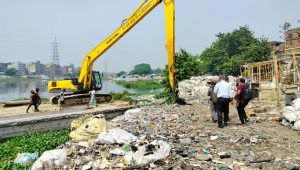
Among the most discussed initiatives were the Family Card, Farmer’s Card, agricultural loan waiver scheme, Sports Card, E-Health Card, Digital Land Service, E-Bail Bond system, canal re-excavation projects, financial allowances for imams, muezzins and other religious leaders, renewable energy programmes, and new plans for education and youth development.




The publication also highlighted several personal and administrative decisions taken by Prime Minister Tarique Rahman. These included limiting state protocol, cutting government expenditure, directing authorities to resolve field-level problems quickly and increasing direct engagement with ordinary citizens. According to the report, those measures added a different dimension to the government’s political message.
The e-book acknowledged that controlling inflation, ensuring energy security, increasing investment, expanding employment opportunities and implementing long-term reforms remain major challenges for the administration.
Despite those challenges, the report said the government has tried to establish an active, fast decision-making and people-oriented administration during its first 100 days in office.
It also noted that many projects remain at the initial stage of implementation. However, the government has pledged to build a more technology-driven, accountable and service-oriented state system.
According to the Prime Minister’s Press Wing, election pledges often remain political rhetoric, but governments are ultimately judged by how effectively they transform promises into action.
The report said Prime Minister Tarique Rahman’s election commitments and his instructions for rapid implementation have already become a major topic of national discussion in Bangladesh’s changing political landscape.
It added that since taking office on 17 February, the government has faced multiple challenges, including global economic pressure, a foreign exchange reserve crisis, investment stagnation, unemployment and administrative weaknesses.
The publication claimed that within the first 100 days, the government showed faster policymaking, signs of stability in economic management, improved administrative discipline and positive trends in investment and employment recovery.
The e-book further stated that this is the first time in Bangladesh that a government has moved to implement election pledges nationwide immediately after taking office. It said the administration believes serving underprivileged people remains the primary responsibility of elected representatives.