Bangladesh’s political landscape is undergoing a profound transformation following the change in regime and 2026 general elections.
The relationship between the ruling administration and the primary opposition, Jamaat-e-Islami, has entered a complex and interesting phase, characterised by the duality of street-level confrontation and whispered rumours of back-channel negotiations.
Historically, the street has served as the ultimate arbiter of political power in Bangladesh, from the anti-autocracy movements of the 1990s to the mass uprising of 2024.
Following the BNP’s ascent to power under the leadership of Tarique Rahman, a new parliamentary dynamic has emerged with Jamaat-e-Islami serving as the main opposition.
While the two parties shared a long-standing alliance in the past, their current “political chemistry” has become increasingly sophisticated.

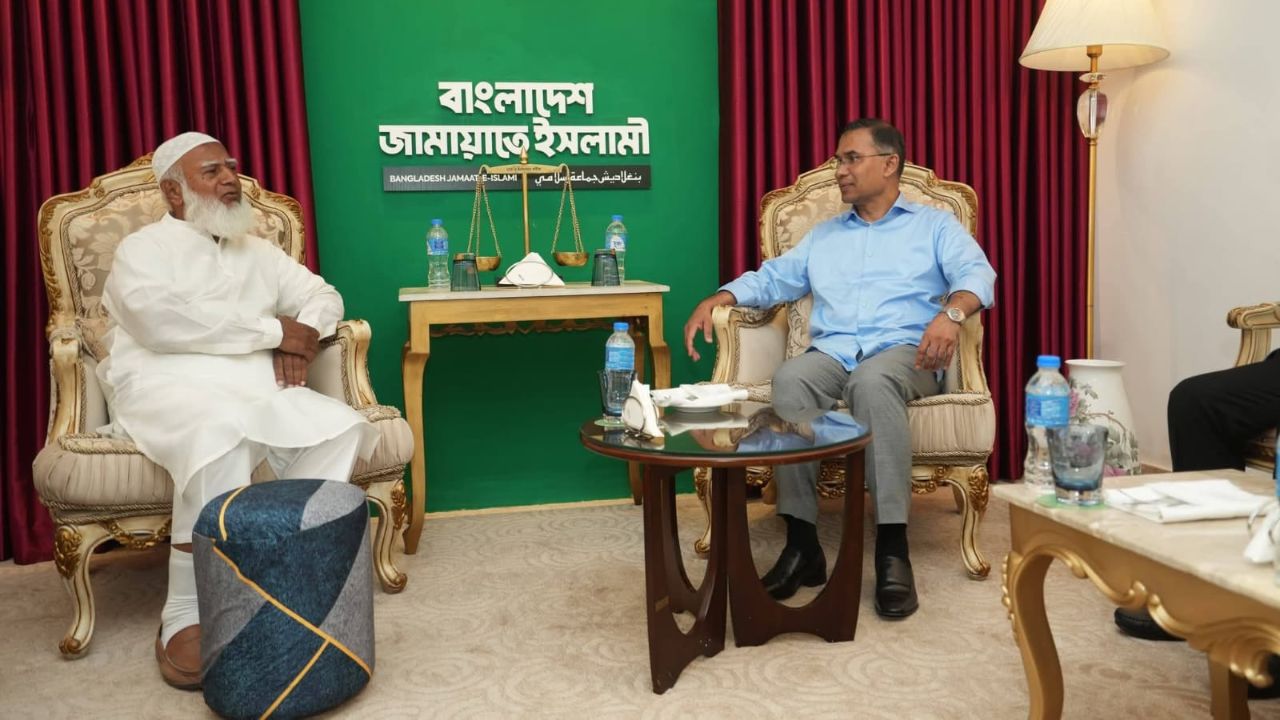
Jamaat has largely eschewed direct confrontation, opting instead for a deliberate “pressure politics” strategy aimed at compelling the government to implement the “July Sanad” and pursue constitutional reforms.
Inside and outside the House, Leader of the Opposition Shafiqur Rahman has been careful to frame his party’s activities as those of a “constructive opposition,” maintaining that there is no intent to destabilise the government.




However, this stance is met with significant scepticism from the treasury benches.
The government’s response highlights a palpable tension and an underlying crisis of confidence.
Home Minister Salahuddin Ahmed has publicly questioned the rationale behind the opposition’s movements, asserting that there is a “lack of realistic issues” given that the government has already initiated the implementation of the “July Sanad.”
More pointedly, Local Government Minister Mirza Fakhrul Islam Alamgir has lashed out at Jamaat’s motives, describing their manoeuvres as a precursor to “fascist rule.”
Although Finance Minister Amir Khosru Mahmud Chowdhury has issued stern warnings against chaos, the administration has, thus far, maintained a generally tolerant posture.
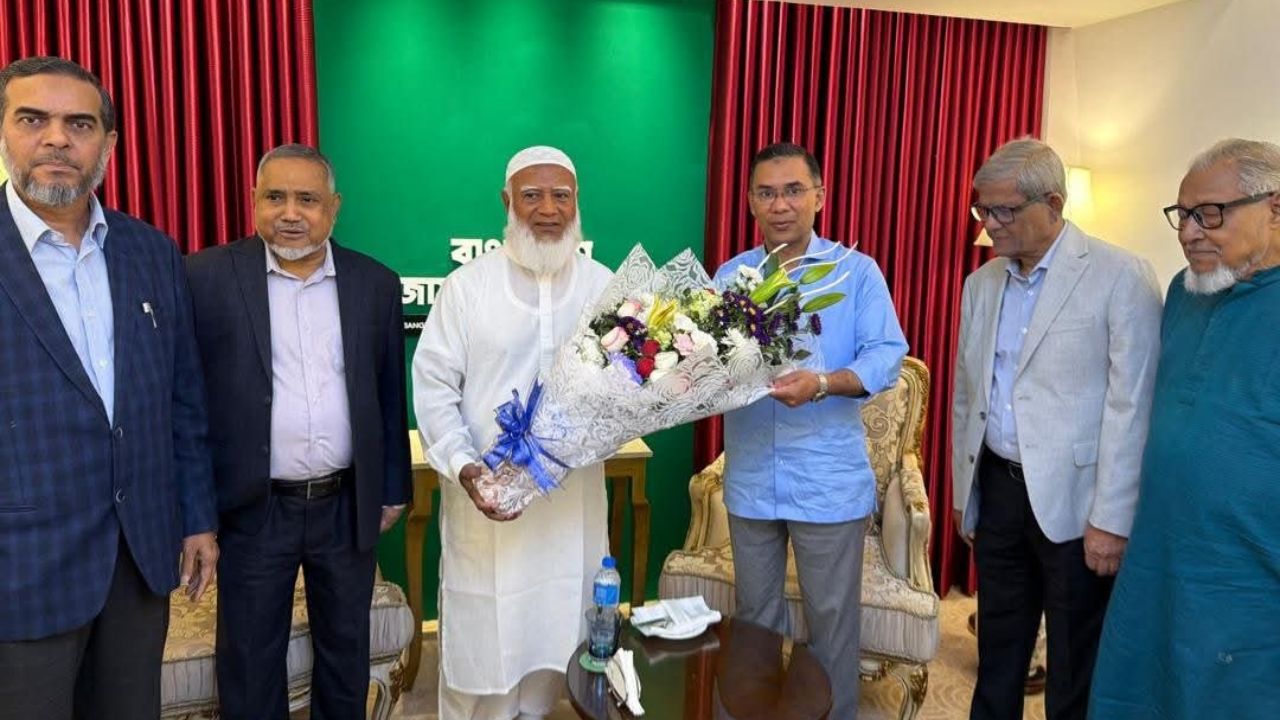
Political analysts observe that Jamaat-e-Islami is currently employing a two-pronged strategic calculus: demonstrating its organisational depth through street programmes while simultaneously keeping doors open for dialogue with the state.
This “pressure and negotiation” dynamic has fuelled intense speculation regarding a potential secret understanding between the two sides as they navigate their respective interests – reform for the opposition and stability for the government.
Ultimately, the “geometry of power” in this new era suggests that strategic positioning has superseded outright conflict.
Experts argue that whether this political “cat-and-mouse game” strengthens the democratic framework depends entirely on mutual respect and the prioritisation of national interests.
While reform-oriented pressure could prove beneficial for the nation’s democratic health, analysts warn that a prolonged crisis of confidence could easily push this delicate new equation back towards a path of volatility.