The government has intensified efforts to recover billions in allegedly laundered funds linked to 11 individuals and entities, including Sheikh Hasina and Bashundhara Group, Prime Minister Tarique Rahman told Parliament on Wednesday.
He informed lawmakers that legal proceedings, international cooperation, and asset recovery mechanisms have been significantly strengthened.
The prime minister also gave update updates on public health interventions, administrative restructuring, and long-term policy considerations.
Billions in laundered money targeted for recovery
The government has stepped up both legal and diplomatic initiatives to repatriate substantial sums of money allegedly siphoned out of Bangladesh over the past 14 years, Prime Minister Tarique Rahman told Parliament during the question-and-answer session.
Responding to a written query from Munshiganj-3 MP Md Kamruzzaman, the prime minister said an estimated $234 billion was transferred abroad between 2009 and 2023, averaging nearly $16 billion annually.
He informed Parliament that an inter-agency taskforce, headed by the Governor of Bangladesh Bank, has been formed to coordinate recovery efforts. The taskforce is currently prioritising 11 major cases involving allegations of money laundering.

The cases reportedly involve several prominent individuals and business groups, including former prime minister Sheikh Hasina, former land minister Saifuzzaman Chowdhury, and conglomerates such as S Alam Group, Beximco Group, Sikder Group, Bashundhara Group, Nassa Group, Orion Group, Nabil Group, HBM Iqbal, and Summit Group.
The prime minister said Bangladesh is expanding international cooperation through information sharing, asset tracing, and Mutual Legal Assistance Treaties (MLATs). The Ministry of Foreign Affairs is coordinating these efforts with other agencies.
He said 10 countries, including the United States, United Kingdom, Canada, Switzerland, Australia, Thailand, the UAE, Singapore, Malaysia, and Hong Kong, have been identified as key destinations for the allegedly transferred funds.
According to him, Malaysia, Hong Kong, and the UAE have agreed in principle to sign cooperation agreements, while discussions with other countries are ongoing.


He further stated that authorities have so far frozen or seized assets worth Tk70,446 crore at home and abroad, including Tk57,168 crore domestically and Tk13,300 crore internationally.
So far, 141 cases have been filed, 15 charge sheets submitted, and 6 verdicts delivered in related proceedings.
The prime minister also announced that a white paper detailing financial irregularities and corruption during previous governments will soon be published.
Measles vaccine shortage addressed through emergency measures
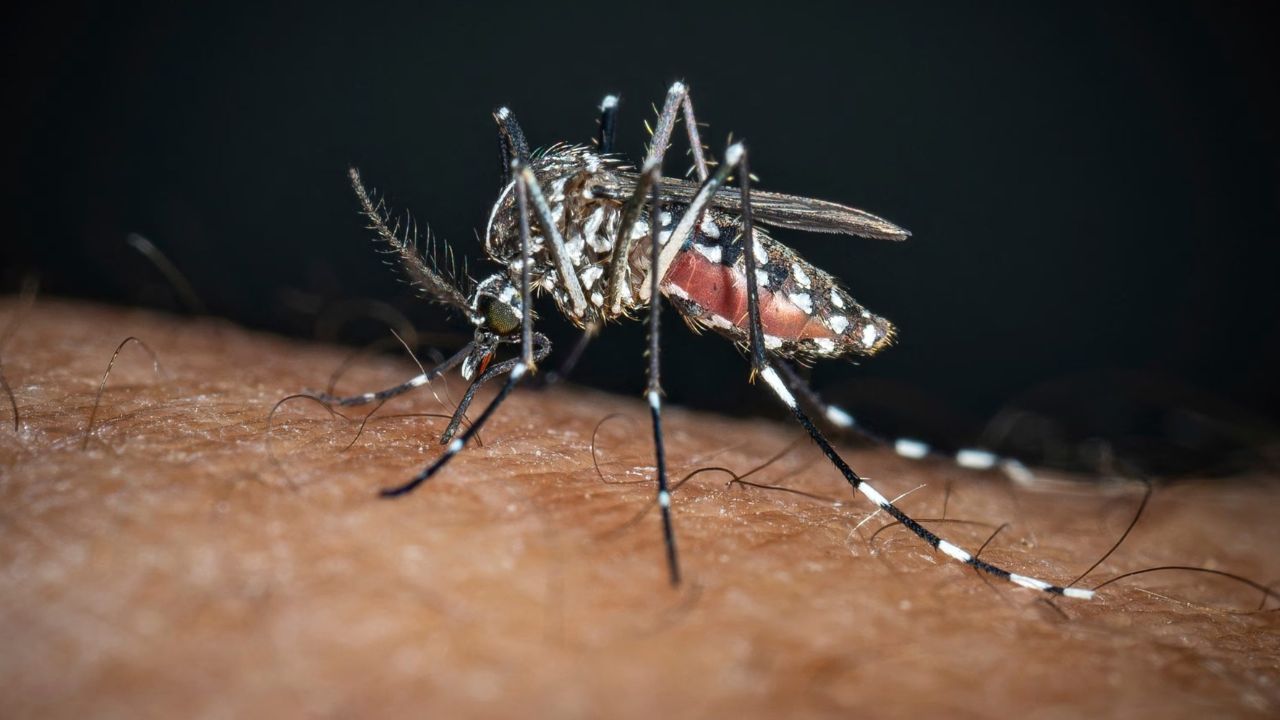
Addressing supplementary questions, the prime minister said the recent measles outbreak and vaccine shortages were linked to a failure to import vaccines during the tenure of a previous interim administration.
He said the disruption had left a significant gap in immunisation coverage for children.
The current government, he added, has since secured vaccines with assistance from UNICEF.
A nationwide campaign has been launched to vaccinate approximately 2 crore children against measles.
The prime minister said vaccine shipments have already begun arriving in the country, and customs clearance procedures are being expedited.
He described child deaths from measles as “deeply painful” and said the government is responding on an emergency basis.
He also announced that around 200 unused multi-storey buildings under the Local Government Division are being transferred to the Ministry of Health.
These facilities will be converted into maternity and child healthcare centres within two months.
Possible reforms in distribution system
The prime minister indicated that the government may consider replacing existing dealers involved in rationing and fertiliser distribution if Parliament supports the proposal.
Chief Whip Nurul Islam alleged that current dealers were contributing to artificial shortages and public harassment, and called for a new system to ensure fair distribution for farmers.
The Prime Minister said he noted broad support in Parliament and added that the government would take action if consensus is reached.
Resettlement of Urdu-speaking citizens under review
The prime minister also informed Parliament that the government is considering long-term resettlement options for Urdu-speaking Bangladeshi citizens living in camps, particularly in the Pallabi area.
He said no formal plan has yet been adopted, but a detailed survey could lead to structured rehabilitation measures.
He further stated that outstanding electricity bills of over Tk402 crore, accumulated before 2016 in these camps, are being gradually cleared under government arrangements.
For the current fiscal year, Tk50 crore has been allocated for repayment.