


Bangladesh is set for its biggest-ever tourism investment drive, with 60 projects worth Tk26,390 crore planned over the next four years to transform the sector into a major driver of economic growth.
Despite having some of Asia’s most attractive destinations – including Cox’s Bazar, the world’s longest natural sea beach, the Sundarbans, the largest mangrove forest, scenic hills, haors and rich archaeological heritage – the country has struggled to convert its tourism potential into economic gains.
Poor infrastructure, weak connectivity, complicated visa procedures, inadequate visitor services and limited destination management have kept the country behind regional competitors.
To address these challenges, the Bangladesh Tourism Corporation has prepared a master plan covering eight tourism zones from 2026 to 2029. The plan includes five-star hotels, resorts, amusement parks, cable cars, houseboats, ethnic villages, river tourism facilities and eco-tourism destinations.
The government expects the investment to significantly increase tourism’s contribution to the economy and double employment in the sector.
Mohammad Ziaul Haque Howlader, general manager (planning, statistics and training) of the tourism corporation, said the objective is to establish tourism as a major economic sector rather than merely a source of employment.
“Currently, around 23 lakh people are directly employed in tourism. Through this plan, we aim to increase the number to nearly 46 lakh,” he said.

The investment push comes as countries across Asia intensify competition for international tourists by upgrading infrastructure, improving connectivity and developing specialised tourism products.
Industry experts say modern travellers are increasingly looking beyond traditional attractions and seeking eco-tourism, adventure experiences, cultural immersion and modern entertainment facilities.
Bangladesh has strong natural advantages, but experts say it must address infrastructure gaps and improve the overall visitor experience.
Tourism analysts say Bangladesh’s main challenge is no longer a lack of attractions but the need to develop them into destinations capable of competing in the global tourism market.
The master plan divides the country into eight tourism zones based on regional strengths, including beaches and islands, forests, hills, heritage sites and cultural destinations.



The Dhaka region will receive the highest allocation, with 11 projects worth Tk6,900 crore. Major initiatives include a Tk1,200 crore tourism development project at Hatirjheel featuring a cable car, a Tk2,500 crore multipurpose tourism centre in Mohakhali and a Tk1,200 crore ethnic village near Dhaka.
The Chattogram and Cox’s Bazar region will receive nine projects worth Tk5,980 crore, including international tourism facilities at the Shaibal compound in Cox’s Bazar and a tourism project on Maheshkhali island.
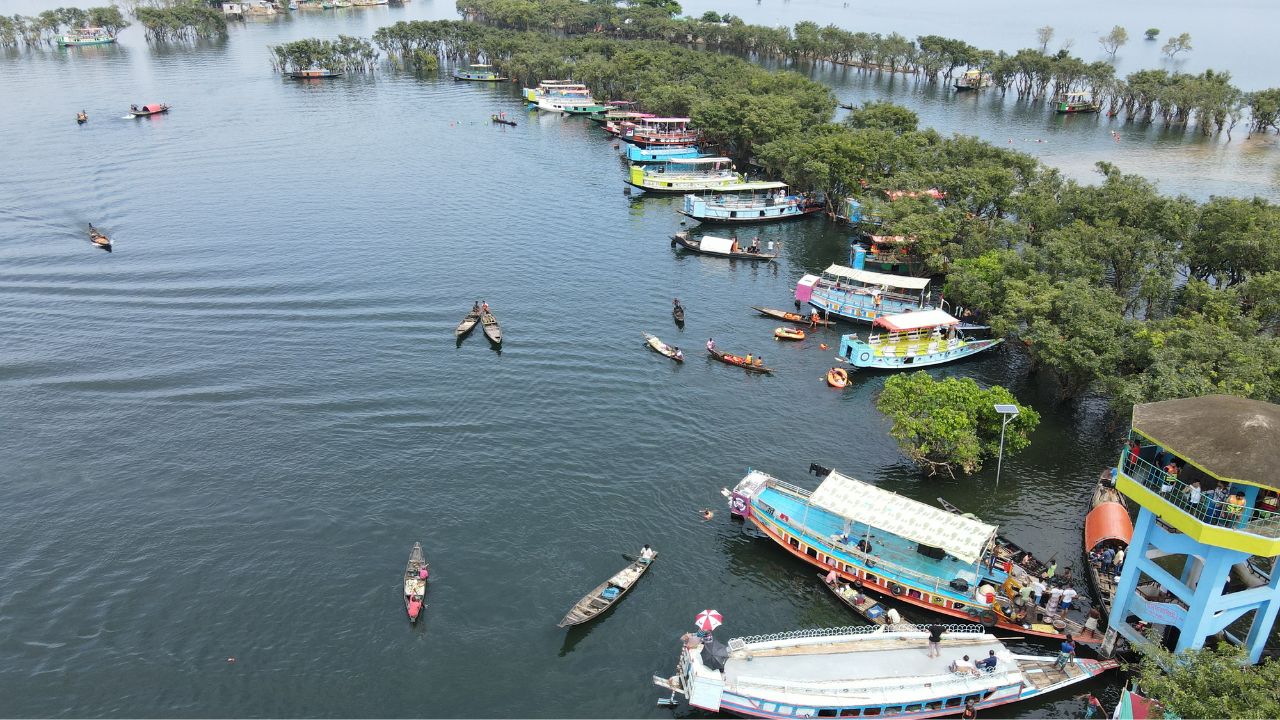
The Sylhet region will get 12 projects worth Tk3,460 crore, including a five-star hotel, amusement park and resort at Barshala, along with eco-tourism facilities at Jaflong, Tamabil, Tanguar Haor, Lalakhal and Hakaluki Haor.
The coastal and island region has six projects worth Tk3,540 crore, including a Tk2,000 crore resort on Sonadia island and tourism facilities on Hatiya, Nijhum Dwip and other coastal destinations.
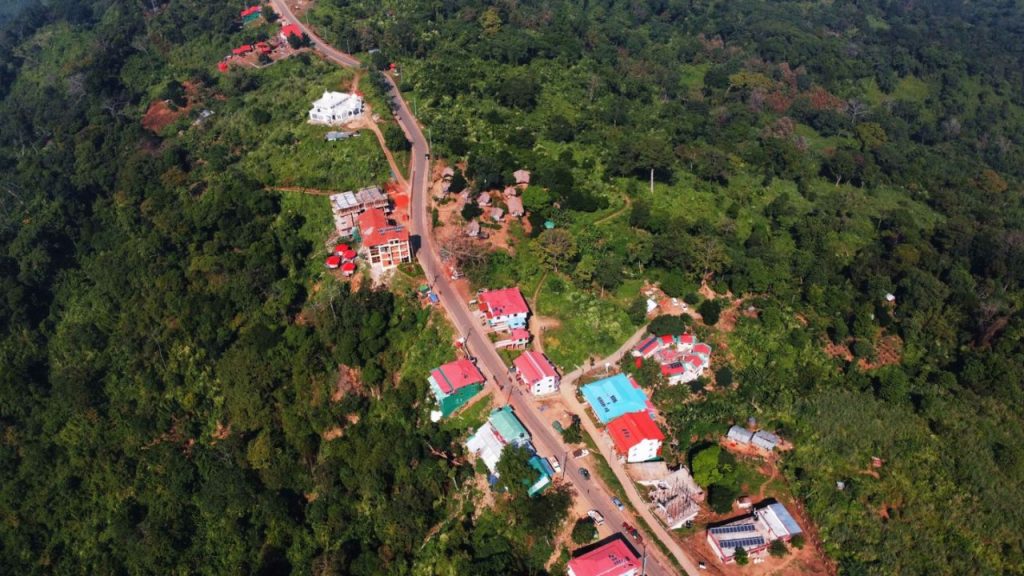
The Chattogram Hill Tracts will receive Tk2,050 crore for projects in Bandarban, Rangamati, Kaptai and Shubhalong, including houseboats, cable cars, amusement facilities and adventure tourism.
The Khulna and Sundarbans region will receive Tk1,700 crore for eco-tourism facilities, while the Rajshahi-Northern region and Mymensingh region will receive Tk1,510 crore and Tk1,250 crore respectively for heritage, cultural and nature-based tourism.
Experts say the success of the investment will depend not only on completing projects but also on whether they increase tourist arrivals, extend visitor stays and raise spending.
Bangladesh currently receives far fewer international tourists than several Asian destinations with similar natural and cultural attractions.
Tourism operators say infrastructure alone will not be enough. Improved air connectivity, easier visa procedures, stronger international promotion and better service standards will be essential to attract high-spending visitors.
Industry insiders say the key question is not how much is invested, but how much economic value the investment creates.
The government says attracting private investment is a major objective of the plan. Howlader said public infrastructure would be modernised to create a favourable environment for private investors.
However, tourism entrepreneurs say investors continue to face challenges, including regulatory delays, land-related complications, weak destination planning and uncertainty over visitor demand.
They argue that government projects must be designed to encourage private hotels, restaurants, entertainment facilities and travel services around major destinations.
The plan also places emphasis on involving local communities in tourism development. According to Howlader, unemployed youths and women in tourism areas will receive training for jobs such as chefs, waiters, souvenir sellers and artisans.
The government also plans to promote the culture and lifestyles of ethnic communities, including the Garo and Manipuri communities, as part of cultural tourism.
Experts say local participation will be crucial, particularly in sensitive areas, to ensure tourism generates income while protecting communities and ecosystems.
Several proposed projects are located in environmentally sensitive areas, including the Sundarbans, islands, hill regions and haors. Environmental experts warn that tourism expansion must consider ecological limits and conservation needs.
They say sustainable eco-tourism should balance visitor growth with biodiversity protection and local economic benefits.