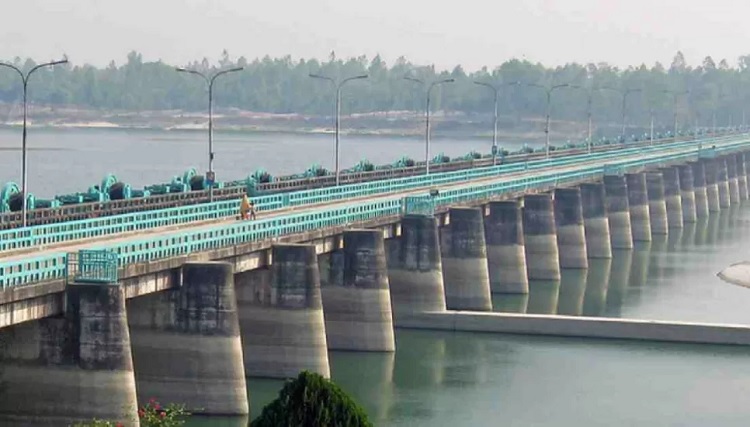

Delegations from Dhaka and Delhi are preparing for negotiations on the continuation of the Ganges Water Sharing Agreement, with discussions set to commence on September 9.
A pivotal session is scheduled to take place in New Delhi under the auspices of the Joint Rivers Commission (JRC), where representatives from both nations will convene.
Mohammad Abul Hossain, a JRC member, is expected to lead the Bangladeshi contingent. The central agenda will be the continuation of the 1996 accord governing the Ganges, which is nearing its expiration in 2026.

Bangladesh intends to advocate for a guaranteed minimum flow of 40,000 cubic feet per second and to pursue a more enduring contractual arrangement.
Consistent with established bilateral practice, the two countries have engaged in biannual dialogues concerning the management of shared waterways, with particular emphasis on the Ganges.




This forthcoming meeting follows several previous meetings this year, such as a JRC gathering in Delhi and another held in Kolkata on March 6–7.
The 1996 treaty, a seminal pact between the two nations, was established to ensure a fair allocation of the Ganges’ waters during periods of low flow. With this 30-year agreement approaching its termination in 2026, both governments have been engaged in preliminary talks about its potential extension since June 2024.
Beyond the Ganges, the two neighbors share a network of 54 rivers; however, no formal water-sharing arrangements are in place for any of these except the Ganges. The anticipated agreement on the Teesta River remains incomplete, largely because of objections raised by the Chief Minister of West Bengal, Mamata Banneree, notwithstanding initiatives from the national government.
In the course of a Foreign Office Consultation that occurred in Dhaka in December, the senior diplomats of both countries conducted a thorough review of the treaty’s renewal. At that time, the then foreign secretary, Md Jashim Uddin, stressed the necessity of commencing the renewal procedure significantly ahead of the treaty’s lapse.
The dedicated Joint Committee for the Ganges Water Sharing Treaty maintains a schedule of regular meetings. The 85th such meeting was conducted in Dhaka in November of the previous year, and the 86th occurred in Kolkata in March, supplemented by expert-level talks. These assemblies have established a foundation for the September discussions.
As the 2026 deadline draws nearer, it is anticipated that both countries will enhance their diplomatic efforts to secure a smooth continuation of the treaty, which is regarded as a fundamental element of their cooperative water management.