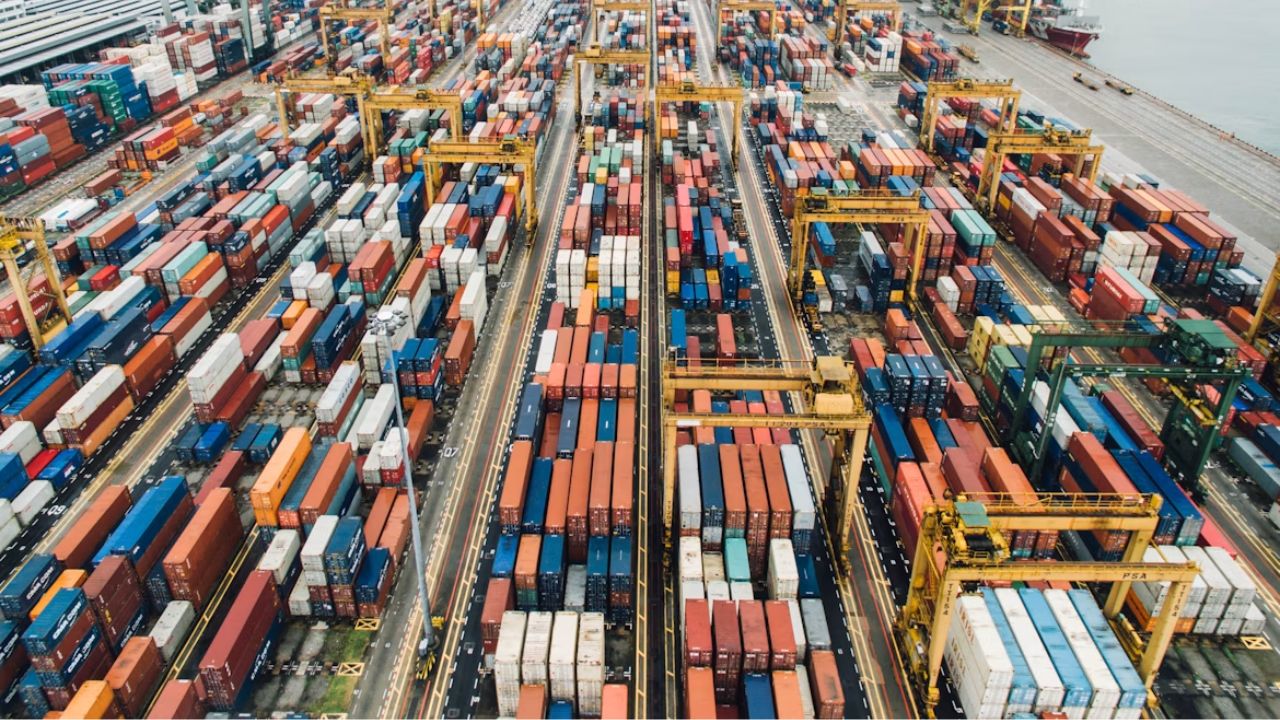
Bangladesh’s economy faces renewed pressure as escalating tensions in the Middle East ripple through global energy and logistics markets, driving up fuel costs and disrupting trade.
International gas prices have surged about 50 per cent in recent weeks, while crude oil has climbed roughly 10 per cent, heightening fears of supply disruptions and shipping risks in the Gulf.
The impact is already visible in rising freight charges, exporters said.
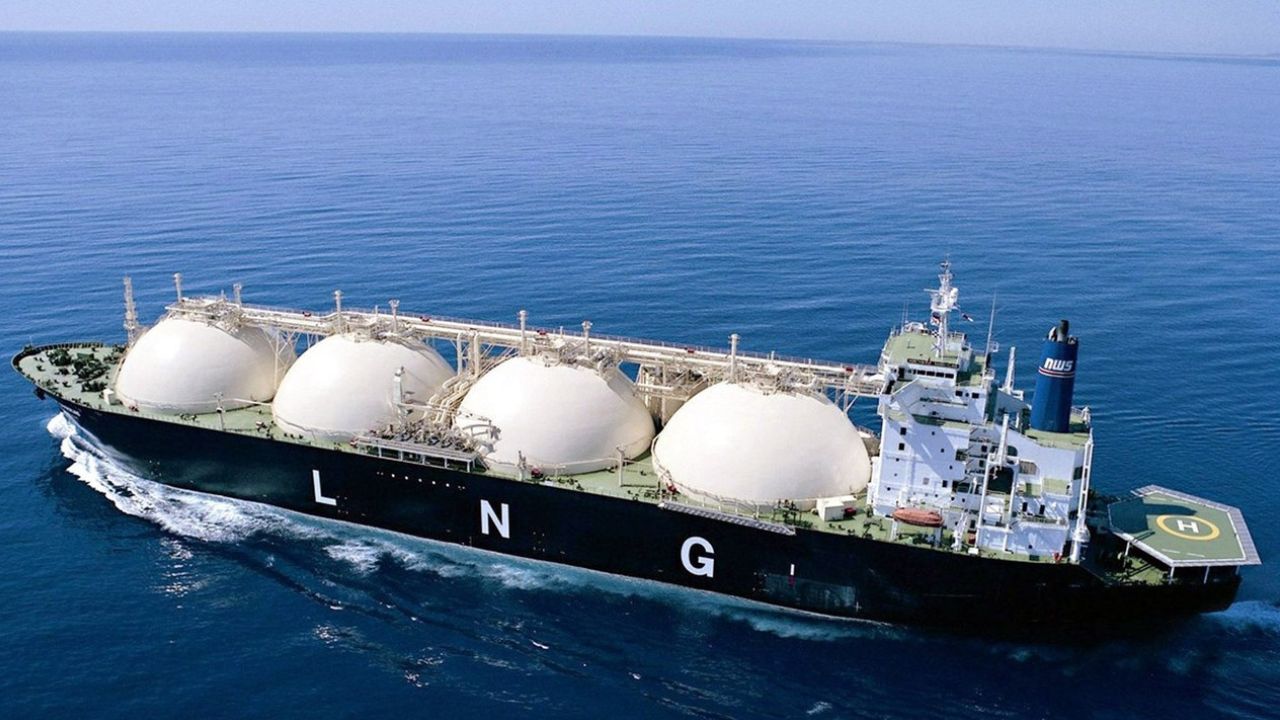
For Bangladesh, heavily dependent on imported fuel and liquefied natural gas (LNG), the risks are immediate. Prolonged instability could swell the import bill, drain foreign exchange reserves and erode the competitiveness of export-oriented sectors, particularly readymade garments (RMG).
Bangladesh Knitwear Manufacturers and Exporters Association Executive President Fazle Shamim Ehsan said the closure of the Strait of Hormuz amid escalating hostilities has intensified uncertainty over fuel supplies.
“Our LNG shortage may worsen if the situation persists,” he said, urging the government to prioritise gas allocation to key industrial sectors.
Textile mills, especially dyeing, washing and finishing units, are highly energy-intensive. Higher gas tariffs or supply disruptions could push up production costs, slow output and delay shipments.
Bangladesh Chamber of Industries President Anwar-ul Alam Chowdhury said the crisis would have global spillover effects, with higher fuel and energy costs likely to stoke inflation.
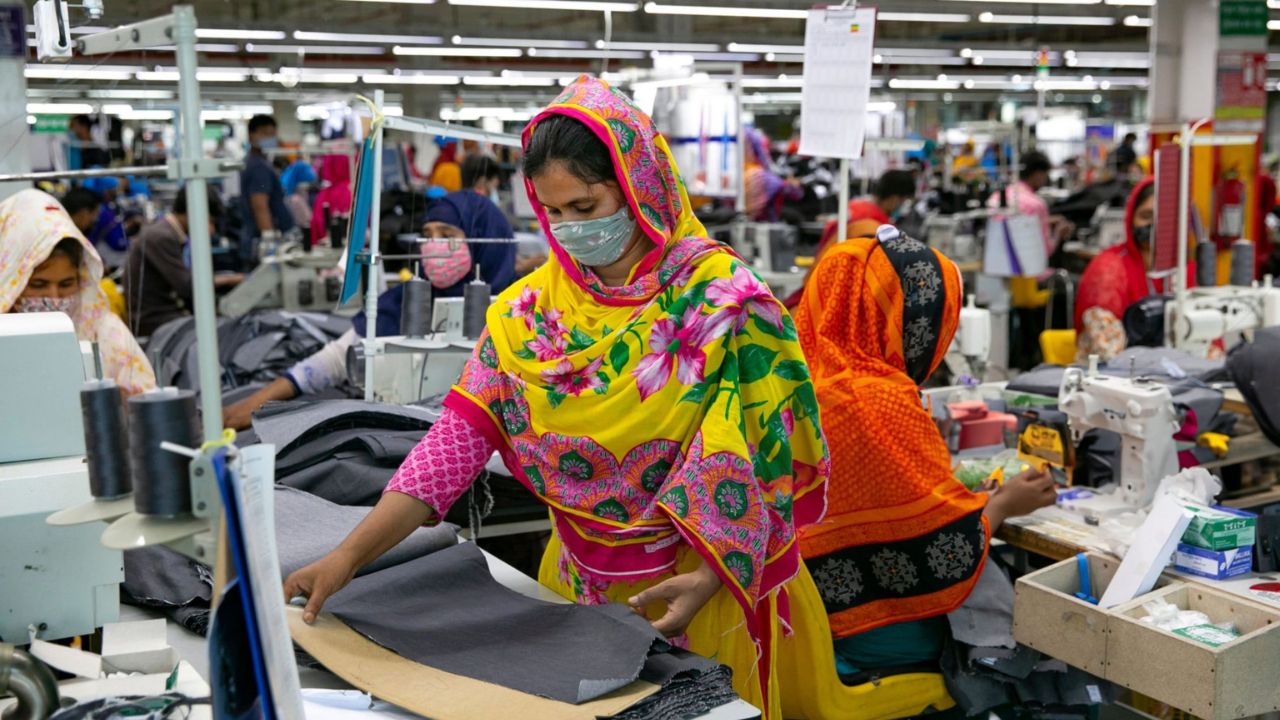


Export-oriented industries, already under strain, could face further pressure if the crisis continues for 10 days, as new orders may weaken, he said.
Shipping lines are expected to raise freight rates in response to higher bunker fuel prices and longer routes, he added.
Seasonal fruit and vegetable exports have already been hit by disruptions to air cargo operations. Exporters estimate that around 90 per cent of vegetable shipments have been suspended since Saturday.
Masudur Rahman, proprietor of Smaranika International, said his firm typically exports 10 to 12 tonnes of produce a week.
“Shipments have stopped due to the conflict. If the situation does not stabilise quickly, we will face serious losses,” he said. “The market will not wait — competitors will step in.”
During the winter season, Bangladesh exports 35 to 40 tonnes of vegetables daily, with about 40 per cent shipped to Saudi Arabia, the United Arab Emirates, Qatar, Kuwait, Bahrain and Oman.
Exports also go to the United Kingdom, France, Italy, Canada and the United States. Around 180 companies regularly export vegetables and seasonal fruits.
Economists warned that a sustained rise in oil prices would widen the current account deficit and intensify pressure on the taka. Currency depreciation would further inflate import costs and external debt servicing burdens.
“Higher global financing costs may restrict access to working capital, particularly for small and medium-sized exporters already operating on thin margins and facing delayed payments from overseas buyers,” said Policy Exchange Bangladesh Chairman M Masrur Reaz.
“The Middle East situation remains deeply concerning,” the economist said. “If energy prices continue to rise, the impact will extend beyond factories to the broader economy.”
Beyond sectoral strain, the energy shock poses broader macroeconomic risks. A prolonged oil surge would swell the import bill, deepen the current account deficit and renew downward pressure on the taka.
“Higher global financing costs could further tighten access to working capital, particularly for small and medium export-oriented factories already grappling with narrow margins,” said Sparrow Group Managing Director Shovon Islam.