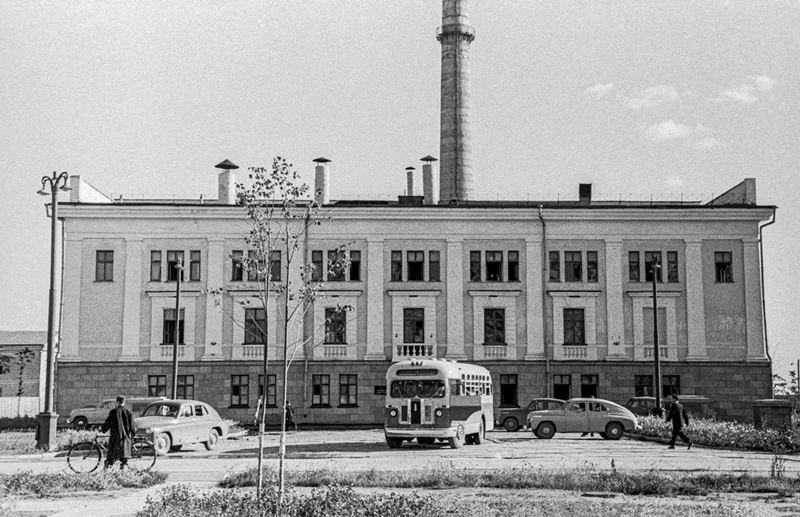
On a quiet morning on 27 June 1954, in the Russian city of Obninsk, the world stepped into a new era.
The world’s first nuclear power plant began operation. It was a modest start. A small reactor produced electricity, not enough to transform an economy or power a nation. But it proved something far more significant — that the atom could be controlled to generate energy for everyday life.
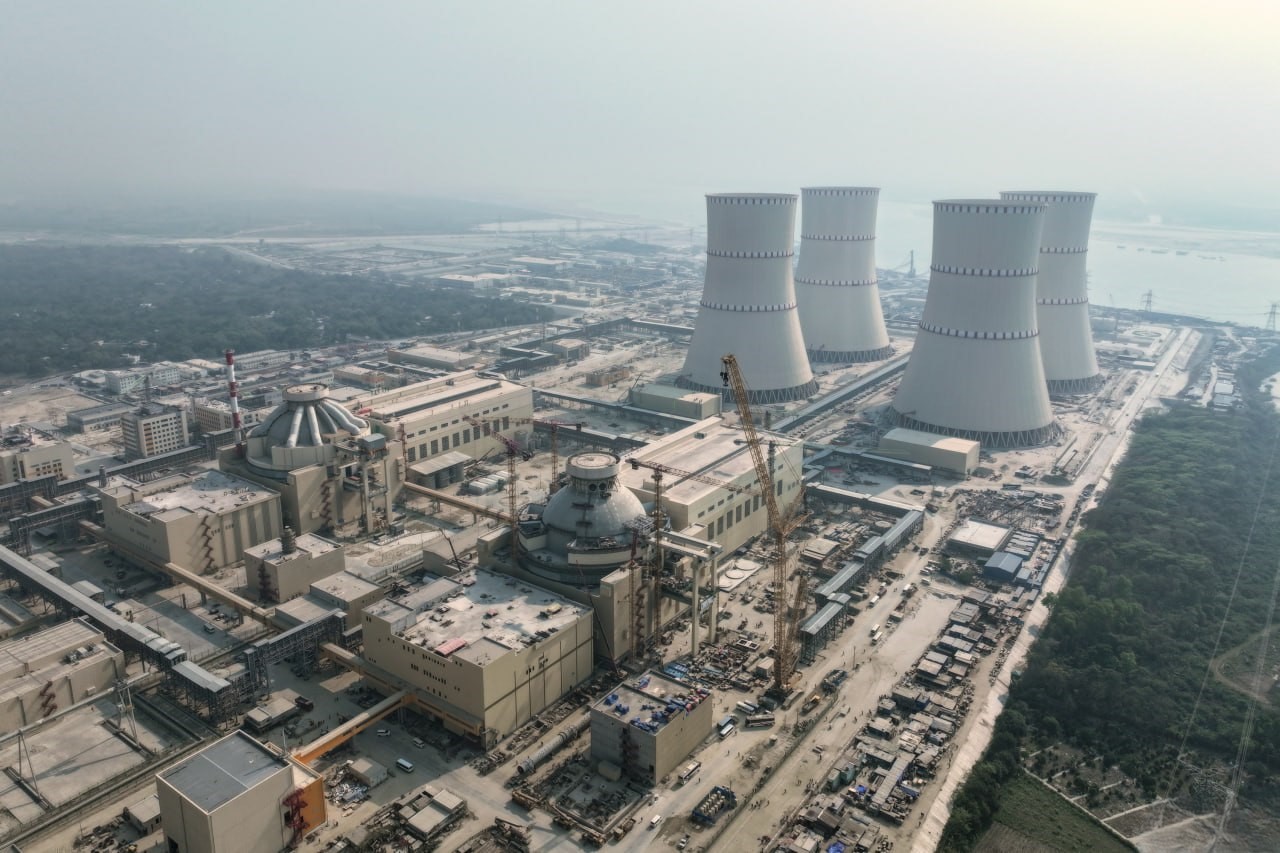
More than seven decades later, that same technology now stands on the banks of the Padma at Rooppur.
On 28 April 2026, Bangladesh begins loading uranium fuel into the first unit of the Rooppur Nuclear Power Plant. This is not just a technical milestone. It marks the country’s entry into the global nuclear era, making it the 33rd nation to use nuclear energy.
This explainer traces that journey — from the birth of nuclear power to Bangladesh’s arrival in one of the world’s most complex energy systems — and explains what lies ahead.
A long global journey: from atom to electricity
The story of Rooppur Nuclear Power Plant began long before Bangladesh.
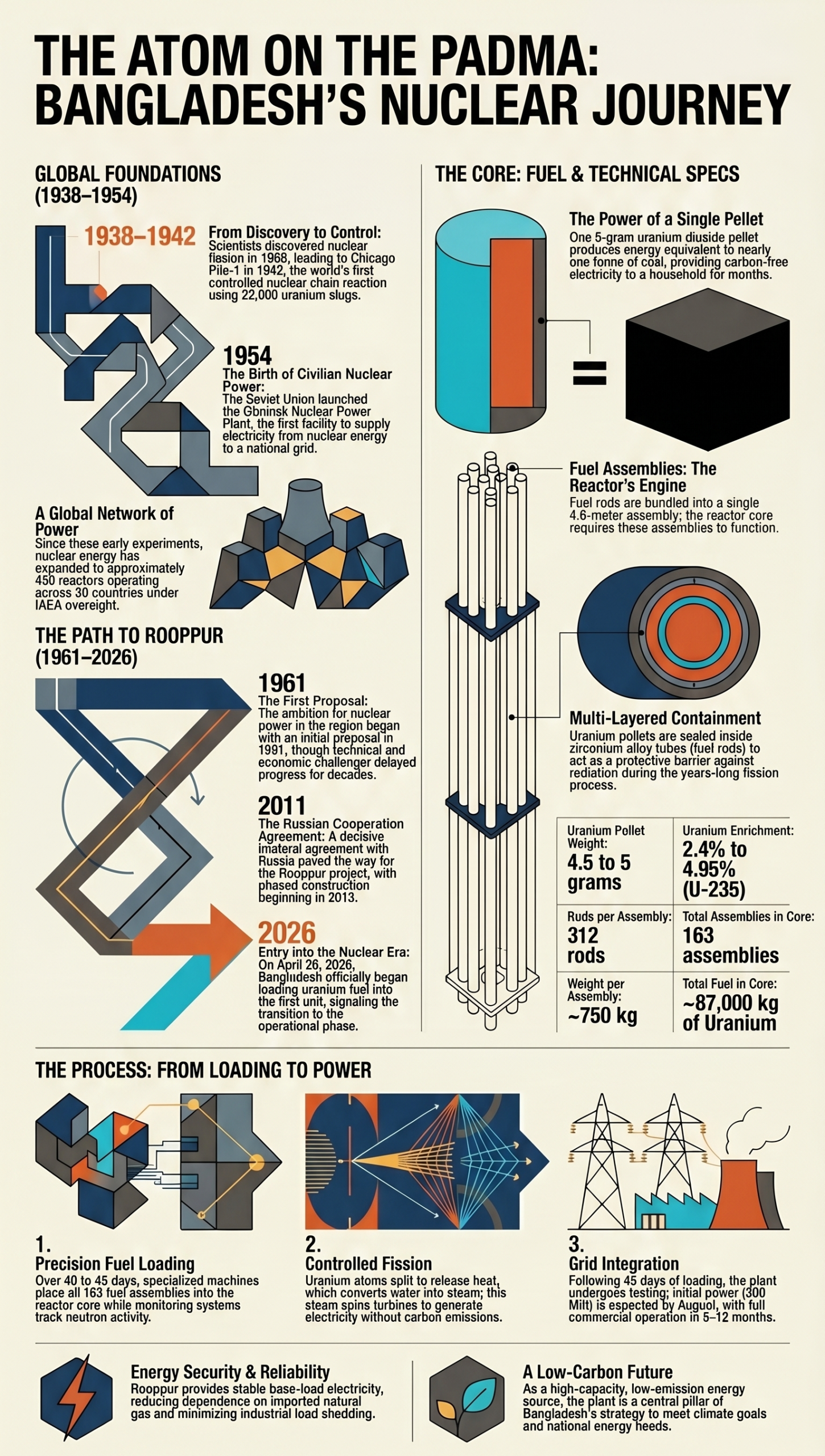
In 1938, scientists discovered nuclear fission — the process of splitting atoms to release energy. In 1942, the world saw its first controlled nuclear chain reaction under the University of Chicago’s Stagg Field stadium. Led by physicist Enrico Fermi, the reactor known as Chicago Pile-1 proved that atomic energy could be controlled.
Built from graphite blocks and uranium fuel, the reactor contained around 22,000 uranium slugs and 380 tonnes of graphite. A team of 48 scientists carried out the experiment, including Leona Woods, the only woman and youngest member.
After the war, nuclear research shifted towards peaceful use. The Argonne National Laboratory, established in 1946, became a key centre for civilian nuclear research.
By 1954, the Soviet Union launched the Obninsk Nuclear Power Plant, the first facility to supply electricity from nuclear energy.
From there, nuclear power expanded globally. Today, around 450 reactors operate across 30 countries, according to the International Atomic Energy Agency.
The journey, however, has not been without setbacks. The Chernobyl disaster in 1986 and the Fukushima accident in 2011 reshaped global safety standards. Modern reactors now incorporate advanced, multi-layered safety systems.

From power plant to museum
The Obninsk plant that began the nuclear electricity era no longer operates.
It has been transformed into a modern industrial museum. Following major renovations, it now features multimedia exhibitions and interactive displays.
Originally, the plant served not only as a power facility but also as a training centre for nuclear scientists, submarine crews and personnel from the Lenin nuclear icebreaker programme.
In 2009, it was converted into an industrial heritage complex. More than 60,000 visitors explored the site in its first two decades. A major renovation began in 2023, restoring Soviet-era stained-glass artwork and introducing interactive learning zones.
Even the original administrative interiors — where operational decisions were made between 1954 and 2002 — have been carefully preserved.
How Bangladesh entered the nuclear path
Bangladesh’s nuclear ambition dates back to 1961, when the first proposal emerged during the Pakistan period. The plan did not progress.
After independence in 1971, economic and technical challenges delayed the initiative. Nuclear energy was later included in the national energy policy in 1995 as a long-term option.
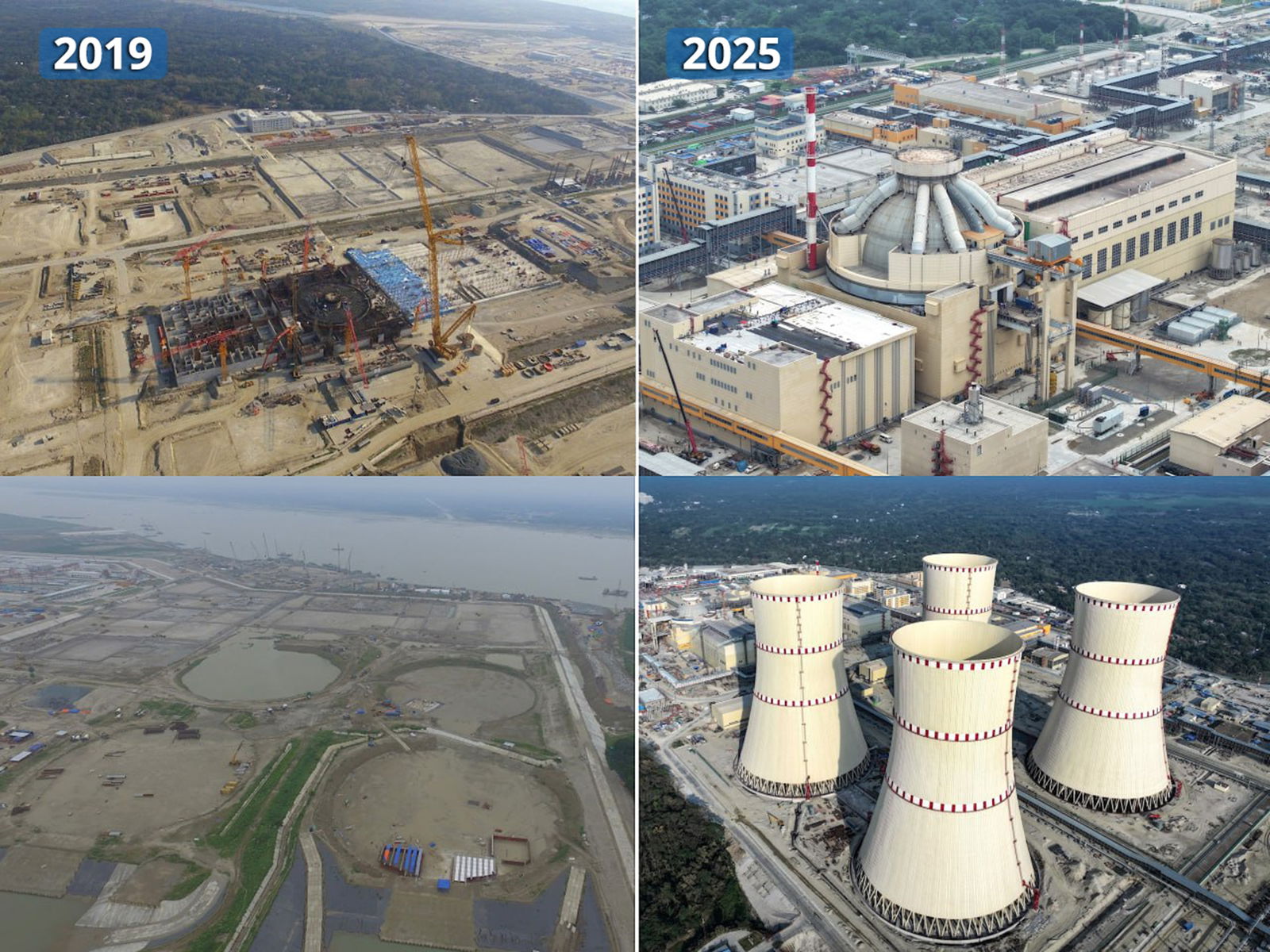
A decisive step came in 2011, when Bangladesh signed a cooperation agreement with Russia. This led to the development of the Rooppur Nuclear Power Plant.




Construction began in phases from 2013. Despite delays, the project has now reached its commissioning stage in 2026, with fuel loading marking the beginning of nuclear operations.
Why Rooppur matters now
Rooppur Nuclear Power Plant has reached its most critical phase.
Fuel loading at Unit-1 signals the transition from construction to operation. Once fuel enters the reactor core, the plant moves closer to generating electricity.
The Bangladesh Atomic Energy Regulatory Authority issued the fuel loading licence on 16 April 2026 to the Bangladesh Atomic Energy Commission. This approval confirms that safety, technical and operational requirements have been met.
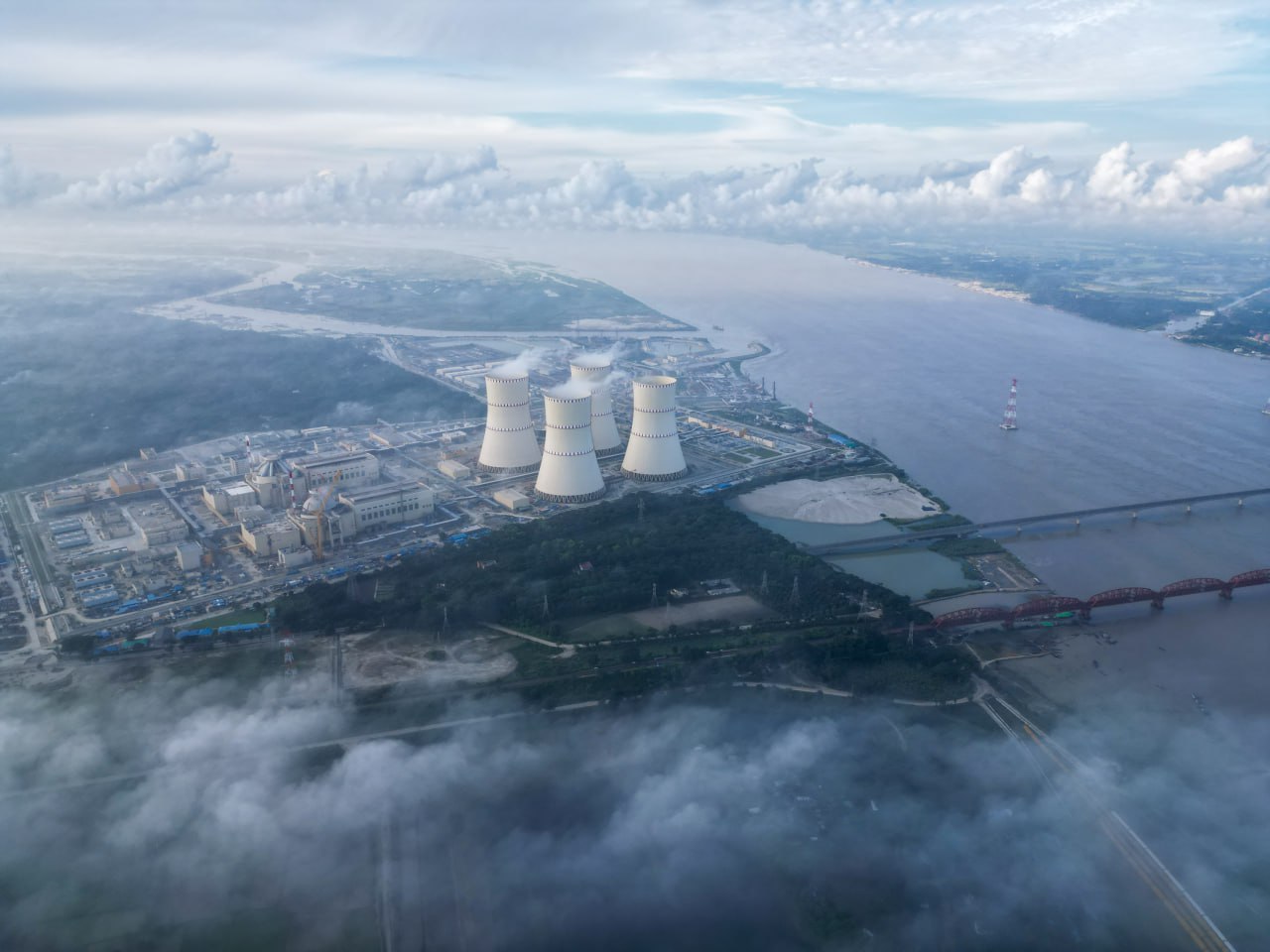
The process will begin with initial heat generation, followed by controlled nuclear reactions and testing. Around 300 megawatts of electricity may enter the national grid by August, with full production to follow in phases.
This moment explains why Rooppur now sits at the centre of national attention.
What fuel powers Rooppur
At the centre of the reactor lies uranium.
The fuel consists of uranium dioxide pellets made from low-enriched uranium, containing between 2.4 percent and 4.95 percent uranium-235.
Each pellet weighs about 4.5 to 5 grams. Yet it can produce energy comparable to nearly one tonne of coal. A single pellet can supply electricity to a household for months without direct carbon emissions.
These pellets are sealed inside zirconium alloy tubes known as fuel rods, which act as protective barriers against radiation. The rods remain in the reactor core for several years.
Fuel rods are bundled together to form what are known as fuel assemblies. Each assembly is about 4.6 metres long and holds around 534 kilograms of uranium fuel. When the outer structure and materials are included, the total weight rises to roughly 750 kilograms. Each assembly contains 312 fuel rods.
The reactor will use 163 of these assemblies in total. Bangladesh has already received 168 from Russia, keeping five as reserve. These were delivered in October 2023, giving engineers time to carry out inspections, check quality and prepare for fuel loading.
What fuel loading actually means
Fuel loading marks the moment a nuclear plant becomes operational.
The International Atomic Energy Agency defines it as the first placement of fuel assemblies into the reactor core of a newly built facility.
Before this stage, engineers complete pre-operational tests, checking all systems, equipment and safety mechanisms. Only after regulatory approval can fuel loading begin.
In VVER-type reactors like Rooppur, commissioning takes place in two phases — pre-operational and operational. Fuel loading marks the start of the operational phase.
How the process will unfold
During fuel loading, trained operators, supported by experts from Russia, will place all 163 fuel assemblies into the reactor core one by one using specialised machines.
The process follows a strictly controlled sequence to maintain safety. The reactor remains in a subcritical state throughout. Monitoring systems continuously track neutron activity.
Fuel loading will take around 40 to 45 days. After that, testing and controlled nuclear reactions will begin gradually.
How nuclear power generates electricity
Inside the reactor, uranium atoms split in a controlled process known as nuclear fission.
This releases heat, which converts water into steam. The steam spins turbines, generating electricity.
Unlike fossil fuels, this process does not release greenhouse gases during operation.
Control rods made of materials such as boron or cadmium regulate the reaction.
What comes next
Fuel loading is not the end of the journey. It is the beginning.
After fuel insertion, the plant will undergo testing, controlled reactions and gradual power increases. Full commercial operation may take six to twelve months.
Electricity will enter the grid in phases as systems stabilise.
Why this matters for Bangladesh
Rooppur represents a major shift in Bangladesh’s energy strategy.
It reduces dependence on imported fuel and natural gas. It provides stable base-load electricity for industry. It helps reduce load shedding and strengthens grid reliability.
As a low-carbon energy source, nuclear power also supports efforts to reduce emissions. It adds a long-term, high-capacity energy option to the national mix.
A journey across decades
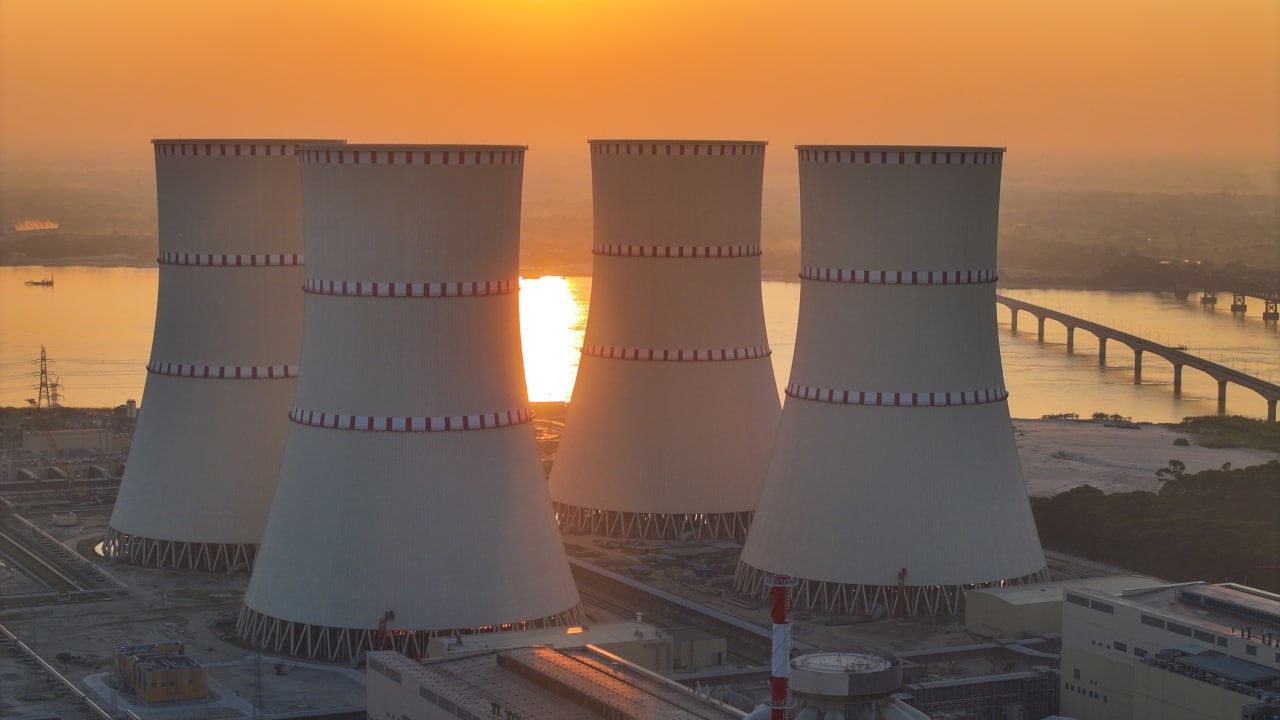
From a graphite reactor built beneath a stadium in Chicago to the pioneering facility in Obninsk, and from early Cold War experiments to today’s advanced safety systems, the story of nuclear energy has unfolded across continents and generations.
Now, it arrives at the Padma.
As uranium enters the reactor core at Rooppur, Bangladesh does more than start a power plant. It joins a technological lineage that has shaped the modern world.
The atom, once feared and uncertain, now stands at the centre of the country’s energy future.