Cultural Affairs Adviser Mostofa Sarwar Farooki urged Drik Picture Library and Pathshala South Asian Media Institute to take initiatives to extend Chobi Mela and similar programmes across all eight divisions of the country in the future.
He made the remarks on Friday evening at the opening ceremony of Chobi Mela, one of Asia’s most significant photography festivals, which returned to Dhaka on Friday with its 11th edition.
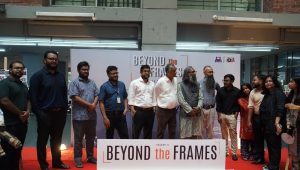
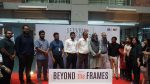
The opening was marked by a vibrant rally and an inaugural ceremony at the Bangladesh Shilpakala Academy (BSA). The festivities began with the colourful Chobi Mela Rally, which started from the National Press Club and marched to the BSA.

Following the rally, the opening ceremony took place at the Jatiyo Chitrashala (National Art Gallery) Auditorium. Festival Director ASM Rezaur Rahman delivered the welcome address, while Artistic Directors Munem Wasif and Sarker Protick presented the curatorial note outlining the vision for this year’s edition.
Speakers at the ceremony included Adviser to the Ministry of Cultural Affairs Mostofa Sarwar Farooki, Guest of Honour and Director General of Bangladesh Shilpakala Academy Rezauddin Stalin, and Chobi Mela Founder and Chief Adviser Shahidul Alam.
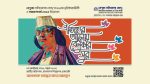


In his address, Shahidul Alam emphasised that Chobi Mela goes beyond the conventional definition of a festival. “It would be wrong to see Chobi Mela just as a festival. I see it as a movement, a resistance, an awakening,” he said.
Farooki, meanwhile, expressed regret that photography has yet to receive due recognition within Bangladesh’s cultural practices and institutions. He announced that a recent ordinance has expanded the Bangladesh Shilpakala Academy, including the establishment of an independent photography department.
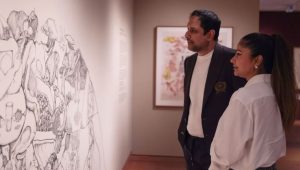
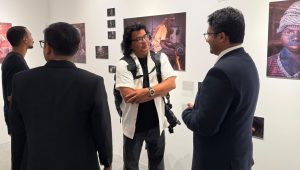
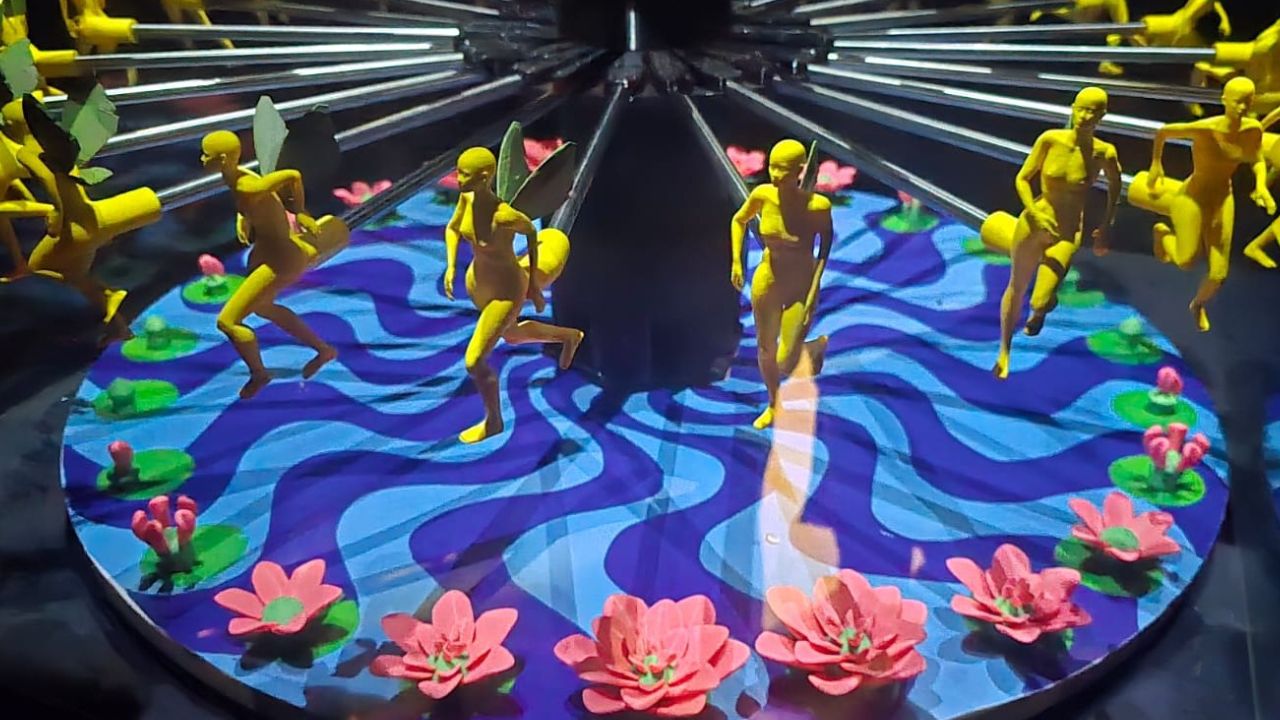
The opening ceremony also featured a conversation titled Art as Resistance. Running for 16 days, Chobi Mela 11 features nine exhibitions across five venues: the National Museum, Bangladesh Shilpakala Academy, Alliance Française, DrikPath Bhobon, and the National Parliament.
This year’s edition brings together 58 participants from 18 countries across five continents under the theme Re—a prefix that signals repetition, renewal, reversal, and reopening. The festival includes artist talks, panel discussions, lectures, and six intensive workshops. It will continue until January 31.