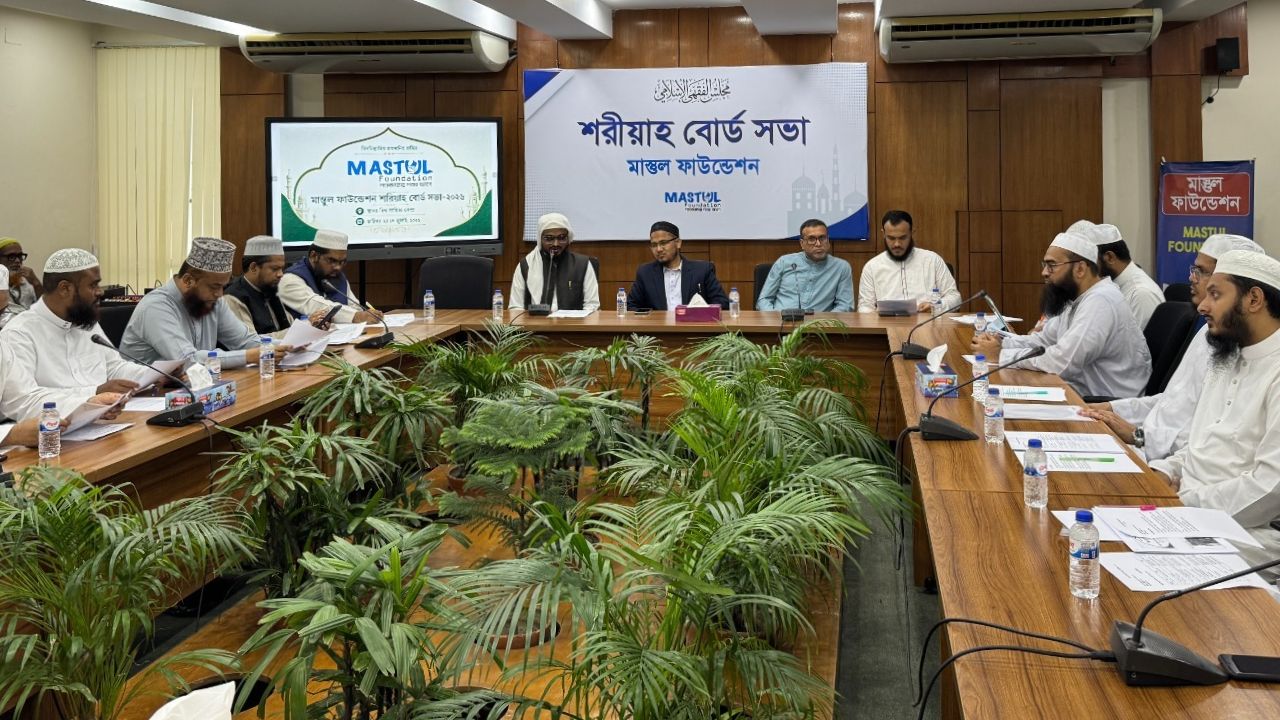

The MASTUL Foundation has further solidified its commitment to transparency and religious accountability by convening its 5th Shariah Board Meeting, bringing together the nation’s pre-eminent Islamic scholars to oversee its humanitarian operations.
The session focused on reinforcing the organisation’s framework to ensure all social welfare activities remain fully Shariah-compliant, transparent, and accountable.
The meeting served as a platform for leading muftis and researchers to deliberate on critical policy matters, specifically the management of Zakat and charitable donations, alongside the foundation’s future humanitarian roadmap.
During the discussions, scholars emphasised that Zakat, Sadaqah, and other contributions must be handled in strict accordance with Shariah principles.
They provided strategic guidance on enhancing the Shariah Board’s effectiveness, conducting regular Shariah audits, and maintaining the highest levels of trustworthiness in all operations.
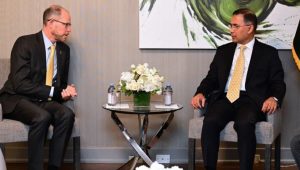
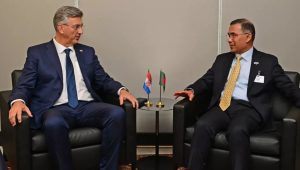
Mufti Muhammad Imaduddin (Hafizahullah), senior Muhaddith at Jami’a Arabia Imdadul Uloom, Faridabad, attended as the chief guest.

“I sincerely appreciate MASTUL Foundation’s initiative to expand its Shariah Board,” he said, noting that while many organisations operate across Bangladesh, MASTUL’s dedication to Shariah adherence is “truly commendable”.
He added that such a framework ensures the amanah (trust) of donors is safeguarded with integrity.
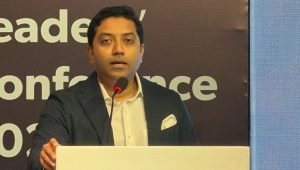
Delivering the keynote address, Muhammad Nur-e-Alam Siddiqui, associate professor at Dhaka University Arabic Department, congratulated the foundation on the initiative.
He highlighted the necessity of continuous self-assessment, institutional accountability, and regular consultation with experts to maintain the credibility of humanitarian efforts.


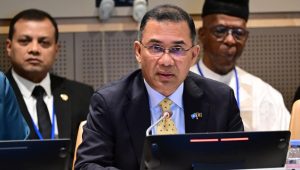
Shaykh Nurul Islam bin Ismail, chairman of Shariah Board, reaffirmed that their primary mandate is to ensure every activity aligns with the teachings of the Qur’an and Sunnah. The meeting also featured Mufti Mujahid Islam, a member of Shariah Board, as a special guest.
The MASTUL Foundation has further solidified its commitment to transparency and religious accountability by convening its 5th Shariah Board Meeting, bringing together the nation’s pre-eminent Islamic scholars to oversee its humanitarian operations.
The session focused on reinforcing the organisation’s framework to ensure all social welfare activities remain fully Shariah-compliant, transparent, and accountable.
The meeting served as a platform for leading muftis and researchers to deliberate on critical policy matters, specifically the management of Zakat and charitable donations, alongside the foundation’s future humanitarian roadmap.
During the discussions, scholars emphasised that Zakat, Sadaqah, and other contributions must be handled in strict accordance with Shariah principles.
They provided strategic guidance on enhancing the Shariah Board’s effectiveness, conducting regular Shariah audits, and maintaining the highest levels of trustworthiness in all operations.
Mufti Muhammad Imaduddin (Hafizahullah), Mufti and senior Muhaddith at Jami’a Arabia Imdadul Uloom, Faridabad, attended as the chief guest.
“I sincerely appreciate MASTUL Foundation’s initiative to expand its Shariah Board,” he said, noting that while many organisations operate across Bangladesh, MASTUL’s dedication to Shariah adherence is “truly commendable”.
He added that such a framework ensures the amanah (trust) of donors is safeguarded with integrity.
Delivering the keynote address, Muhammad Nur-e-Alam Siddiqui, associate professor at Dhaka University Arabic Department, congratulated the foundation on the initiative.
He highlighted the necessity of continuous self-assessment, institutional accountability, and regular consultation with experts to maintain the credibility of humanitarian efforts.
Shaykh Nurul Islam bin Ismail, chairman of Shariah Board, reaffirmed that their primary mandate is to ensure every activity aligns with the teachings of the Qur’an and Sunnah. The meeting also featured Mufti Mujahid Islam, a member of Shariah Board, as a special guest.
The assembly was attended by a distinguished group of Islamic scholars and academics, including Mufti Mahmudul Hasan Jamshed, head of the Department of Ifta and Ulumul Hadith, Jamia Islamia Darul Uloom Madania, Jatrabari; Mufti Tarikul Islam, teacher, Jamia Islamia Darul Uloom Madaninagar, Dhaka; Mufti Masum Billah, deputy mufti, Akbar Complex and founder of SARC, Mufti Tawhidul Islam, deputy mufti, Jamia Rahmania Arabia, Mohammadpur, Mufti Habibullah Siraji, research fellow, Muslim Ummah of North America (MUNA); Muhammad Ruhul Amin Rabbani, Manarat International University; Habibur Rahman, PhD researcher, Saudi Arabia; Mufti Mahmudur Rahman, principal and shaykhul hadith, Jamia Islamia Baitul Aman, Adabar; Mawlana Abdul Qayyum, vice principal, Tamirul Millat Kamil Madrasa (Women’s Branch), Tongi; Muhammad Abdullah Al Mahmud, associate professor, Department of World Religions and Culture, University of Dhaka, Mufti Abdur Rahman Al Hossaini, mufti, Jamia Islamia Baitus Salam, Mirpur-12, Mufti Muhammad Awwal, ustazul fiqh, Markazul Buhus Al Islami, Mirpur; Mufti Ashikur Rahman, Jamia Rahmania Arabia.
The proceedings concluded with a special prayer (du’a) for the nation, donors, and beneficiaries, with participants reaffirming their mission to deliver humanitarian services that are fully Shariah-compliant and accountable.