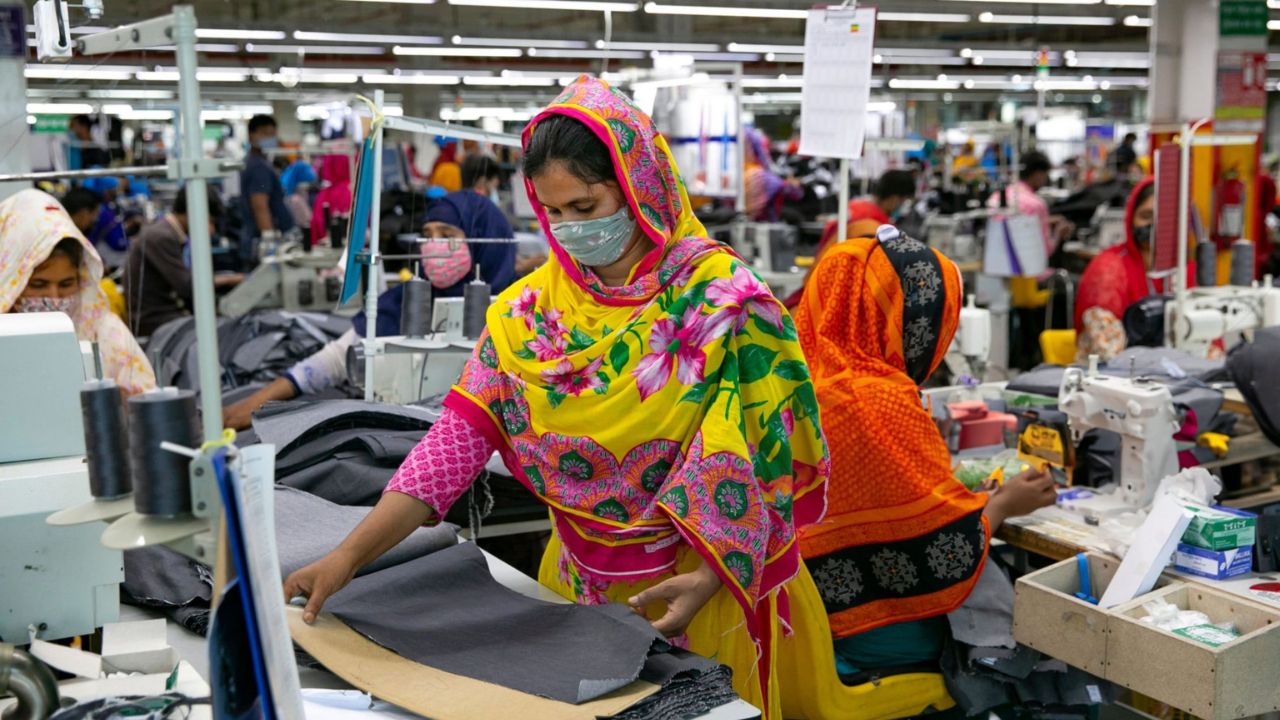
Exporters are bracing for shipment delays in coming weeks as factory shutdowns ahead of the national election, fewer working days and operational disruptions at Chattogram port threaten to slow production and logistics.
Besides, there are growing fears of missed deadlines and order cancellations in key foreign markets.
Industry insiders said a combination of election-related holidays, Eid-ul-Fitr closures and persistent port congestion could hamper timely deliveries, prompting some international buyers to reconsider sourcing from Bangladesh.
The concerns come at a time when the country’s export sector, particularly readymade garments (RMG), is already under pressure from weakening global demand and domestic uncertainties.
Geopolitical tensions have dampened apparel consumption in major markets, while apprehensions over political stability have led some buyers to shift part of their orders to competing destinations, said Shovon Islam, managing director of Sparrow Group.

“Demand for garments has slowed globally, and fears of disruptions surrounding the election have encouraged several buyers to relocate a portion of their sourcing,” he told the Times of Bangladesh.
He further said he had already written to his buyers seeking a one-week extension for the shipment of more than 100,000 pieces.
Although Bangladesh remains the world’s second-largest garment exporter, the industry is finding it increasingly difficult to stay competitive in a rapidly changing market.




Manufacturers point to structural bottlenecks such as heavy reliance on imported raw materials, long lead times, port congestion, slow customs clearance and policy uncertainty.
Dependence on Chinese inputs often delays production, while competitor countries like Vietnam and Cambodia benefit from faster and more efficient trade logistics.
At the same time, buyers are shifting towards smaller orders, quicker turnaround and higher value-added products — segments where Bangladesh’s capacity remains limited.
“To stay ahead, we must strengthen our capabilities in design, research, advanced fabrics and accessories. But our backward linkage is still weak,” said Mohiuddin Rubel, managing director of Bangladesh Apparel Exchange.
Amid the mounting challenges, the Bangladesh Garment Manufacturers and Exporters Association (BGMEA) has sought immediate government support to help factories sustain operations.
A delegation led by BGMEA Vice-President Md Shihab Uddoja Chowdhury recently met Finance Secretary Md Khairuzzaman Mozumder, urging policy and financial assistance to protect exports and prevent further closures.
According to the association, RMG export growth declined 2.43 percent in the first seven months of the current fiscal year, while shipments dropped by an average of 9.43 percent during the October–December quarter compared with the same period a year earlier.
Nearly 400 garment factories have shut down over the past year due to rising production costs, falling prices and reduced work orders, with many small and medium enterprises facing similar risks.
The situation may worsen in February and March as election-related holidays and Eid-ul-Fitr significantly reduce working days.
Factory owners estimate they will be operational for only 35 days out of 60, even as they must pay full wages, bonuses and advance salaries, sharply increasing financial strain.
BGMEA leaders warned that without timely banking and financial assistance, many smaller factories could struggle to pay workers and maintain production, potentially affecting the broader economy.
To ease cash-flow pressures, the trade body called for the quick disbursement of pending cash incentives and low-interest soft loans equivalent to six months’ wages to help factories meet salary and festival bonus payments.