



Following the dramatic political developments of 2024 and the subsequent transition of power, the country has been attempting to chart a new democratic course. Yet one question remains at the heart of the national debate: can a democratic transition succeed if it is built upon the exclusion of major political actors? The answer to that question will not only determine the future of Bangladesh’s democracy but may also shape the long-term political fortunes of the Bangladesh Nationalist Party (BNP), which now occupies a dominant position in the country’s political landscape.
A significant indication of this concern emerged on 3 June 2026 when the Local Government, Rural Development and Cooperatives (LGRD) Minister, also the Secretary General of the BNP and one of the party’s most experienced leaders, stated that the BNP seeks to establish a tolerant and democratic political culture in Bangladesh. He emphasised that all political parties should have the opportunity to conduct political activities, express their views, and engage with the people. The statement was encouraging for many who believe that democratic governance requires political inclusiveness and tolerance. However, it also raised an important question. Does the commitment to ‘all political parties’ include those parties whose activities have been banned or severely restricted during the political turbulence of the past two years? The answer matters because Bangladesh’s democratic future is inseparable from the issue of political inclusion.
It may be recalled that on 16 September 2025, a senior BNP Standing Committee member, who now serves as the Home Minister, warned that banning a political party could create a dangerous political culture in the future. At the time, the warning attracted limited attention. Today, it appears increasingly relevant. Many political observers believe that senior BNP leaders have begun to appreciate the potentially serious consequences of exclusionary politics. Having witnessed decades of political upheaval, they understand a simple but important reality: political precedents often outlive the circumstances that created them.
The exclusionary political environment that emerged after the events of 2024 fundamentally changed Bangladesh’s political landscape. The prohibition of the activities of a major political party represented a significant departure from the principle of competitive and participatory politics that forms the foundation of democratic governance. Supporters of such measures may argue that extraordinary circumstances required extraordinary responses. Yet history offers numerous examples demonstrating that political exclusion rarely remains limited to its original targets. Once a precedent has been established, future governments often find it convenient to employ the same instruments against new opponents. This is perhaps the greatest danger confronting Bangladesh today.

Many senior BNP leaders appear to recognise that the tools currently being used against one political force could someday be used against their own party. Political power is never permanent. Electoral outcomes change. Public sentiment evolves. Alliances shift. Governments rise and fall. If the principle becomes established that a major political party can be excluded from political participation through legal or administrative measures, future governments may invoke the same principle against the BNP itself.
Such concerns are not hypothetical. Bangladesh’s political history has repeatedly demonstrated how instruments of political control often change hands with governments. Successive administrations have frequently used state institutions, legal mechanisms, and administrative powers against their opponents, only to face similar treatment when political fortunes reversed. Many moderate voices within the BNP reportedly understand this reality. They recognise that weakening democratic norms may provide short-term political advantages but ultimately creates long-term vulnerabilities for everyone involved.
The concern is particularly acute for senior BNP leaders, many of whom are now in their seventies and have spent decades in public life. They understand that if future political circumstances change dramatically, the same precedents currently being celebrated by some could become instruments directed against them. Allegations, legal actions, restrictions on political activities, and even threats to personal security and property rights could emerge under a future administration willing to employ similar methods. This is precisely why democratic norms matter. They are not designed merely to protect political opponents; they are intended to protect everyone, including those who currently hold power. The implications of exclusionary politics extend far beyond the interests of any single political party.




A healthy democracy requires that competing political viewpoints be allowed to contest ideas, policies, and leadership before the electorate. When major political actors are excluded from this process, democratic legitimacy inevitably suffers. Citizens begin to question whether political competition is genuine. Institutions lose credibility. Political polarisation intensifies. Public trust declines. Moreover, exclusion often creates only an illusion of stability. Removing opponents from the political arena may temporarily reduce visible political contestation, but it rarely eliminates underlying grievances. Instead, those grievances frequently become more deeply entrenched, creating conditions for future instability and conflict.
International experience provides numerous examples of countries where exclusionary politics ultimately weakened democratic institutions and prolonged political crises. Sustainable democracy is built not upon exclusion but upon inclusion, dialogue, compromise, and respect for political pluralism.
Bangladesh also faces substantial socioeconomic challenges that require broad-based national cooperation. Economic growth, employment generation, climate adaptation, education reform, public health improvement, and poverty reduction all depend upon political stability and effective governance. Investors and development partners place significant value on political predictability and institutional credibility. A political environment perceived as unstable or exclusionary may discourage investment, reduce confidence, and ultimately slow economic progress. Thus, the costs of exclusionary politics are ultimately borne not by politicians alone but by ordinary citizens whose livelihoods depend upon a stable and prosperous national environment.
Another important dimension relates to Bangladesh’s international standing. The recent election of Bangladesh’s Foreign Minister as President of the United Nations General Assembly represents a significant diplomatic achievement and a source of national pride. However, such prominence also brings increased international attention and scrutiny. As Bangladesh assumes a more visible leadership role in international forums, questions relating to democratic governance, political inclusiveness, human rights, and the rule of law are likely to receive greater attention from governments, international organizations, democratic institutions, and civil society groups.
Developments during Bangladesh’s political transition over the past two years – including restrictions on political parties, allegations of political persecution, concerns regarding political freedoms, and reported attacks on political activists and their properties – will inevitably be examined by international observers. Such scrutiny should not be viewed as hostility toward Bangladesh. Rather, it reflects the expectations that accompany leadership within the international community. This makes it even more important for Bangladesh to demonstrate that its democratic transition remains committed to inclusiveness, participation, and respect for fundamental democratic principles.
The BNP now has a historic opportunity to help shape that future. As a party that aspires to lead Bangladesh for years to come, it can choose either to perpetuate the cycle of political exclusion that has characterised much of the country’s political history or to help establish a more inclusive and democratic political culture. The latter course would serve both national and partisan interests. It would strengthen democratic institutions, enhance political legitimacy, improve Bangladesh’s international image, and reduce the risk that exclusionary precedents could someday be used against the BNP itself.
The people of Bangladesh deserve a political system in which parties compete through ideas, policies, performance, and public support – not through exclusion, prohibition, or retaliation. Ultimately, the success of Bangladesh’s democratic transition will not be measured by the exclusion of any particular political party. Rather, it will be measured by the country’s ability to build institutions and political norms that allow all stakeholders to participate peacefully and competitively within a democratic framework governed by the rule of law.
If Bangladesh can achieve that goal, it will not only strengthen its democracy but also create the conditions necessary for sustained socioeconomic development and national progress. That is the future that millions of Bangladeshis hope to see, and it is a future that can only be built through inclusion rather than exclusion.
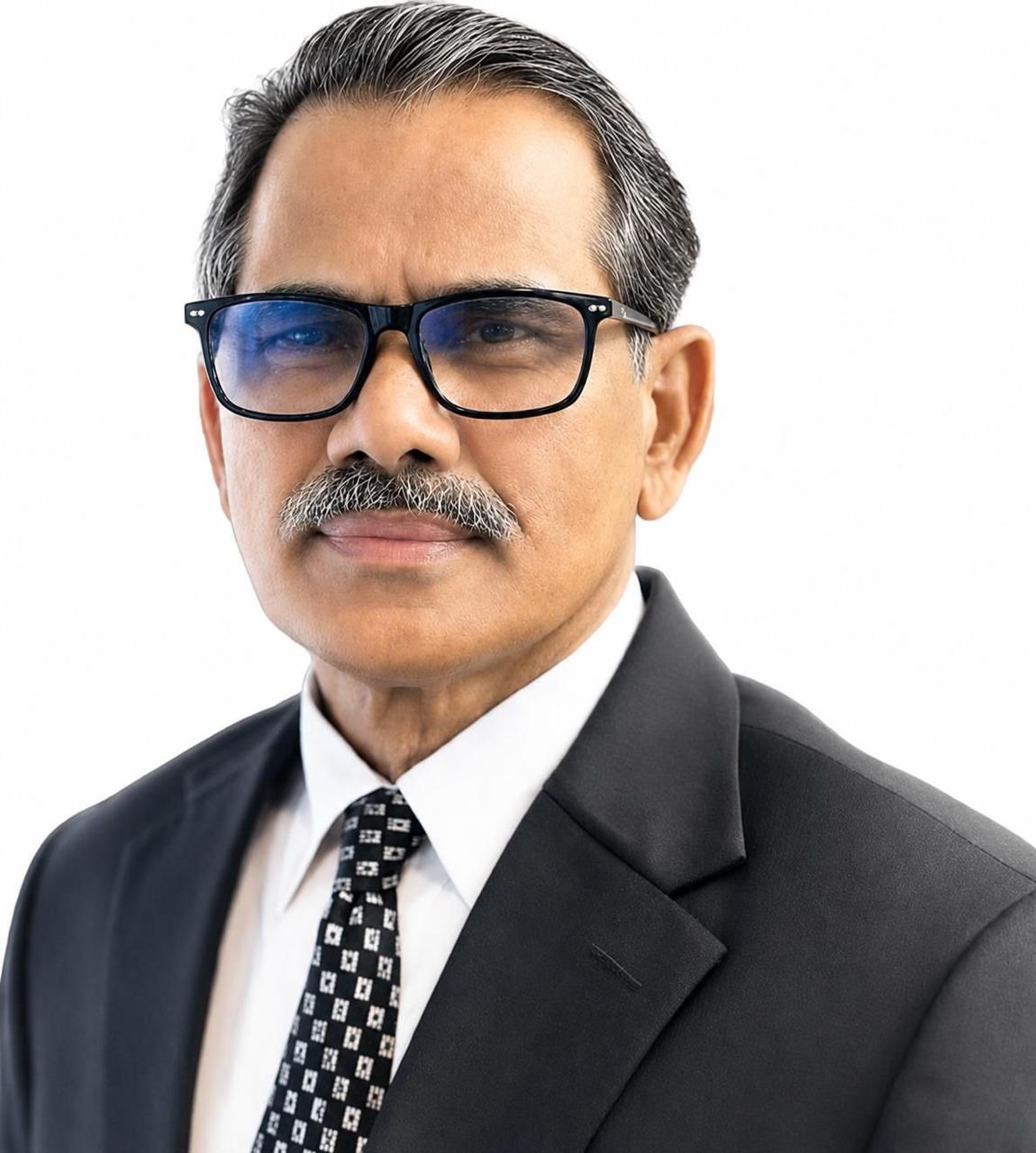
The writer is a Former Ambassador and Secretary to the Government of Bangladesh