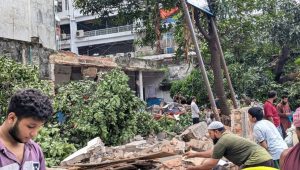
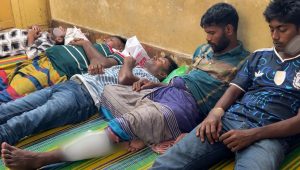
While Bangladesh reels in outrage over the brutal rape and murder of a child in Mirpur, a chilling truth remains – the deadliest threat to children is not always a stranger in the dark, but a face at the dinner table.
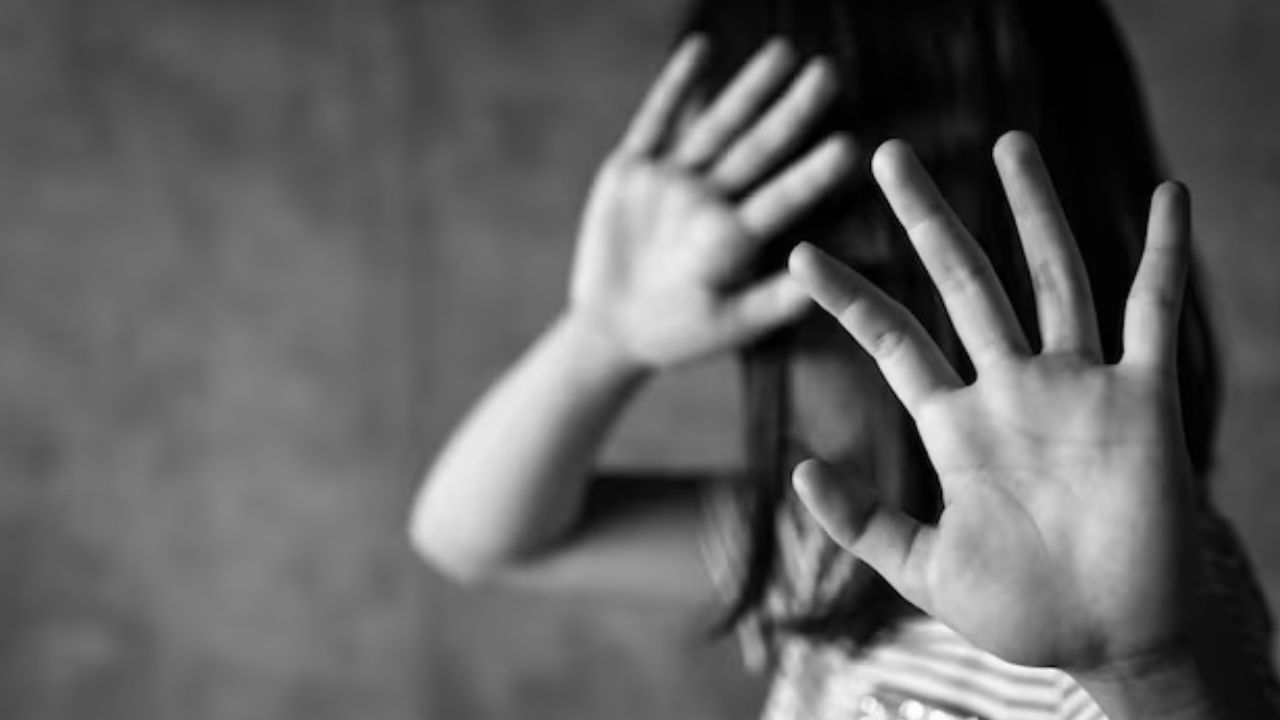
Incidents of sexual abuse by relatives, and even fathers, are quietly surfacing with devastating frequency. Wrapped in a suffocating blanket of silence and social sensitivity, the taboo remains unbroken, keeping the horrific cycle alive.
The crisis is widespread and statistical.
A Unicef report reveals a heartbreaking reality: nine out of every ten children aged 1 to 14 in Bangladesh endure violent behaviour from their own guardians or caregivers every single month. The organisation warns that despite steps forward in child protection, millions of young lives remain trapped in the crosshairs of violence, abuse, and exploitation.
Stories from the dark
The grim reality becomes painfully clear in the records of organisations dedicated to women’s and children’s rights.
In a cramped, single-room home shared by six siblings and their parents, a young girl grew up steeped in chaos. Late at night, her father would frequently stagger home drunk, unleashing a torrent of shouting, abuse, and violence upon her mother.
By the time she turned 11, terror invaded her sleep. Sensing something deeply wrong happening to her body, she finally summoned the courage to tell her mother. Instead of finding a shield of protection or a word of comfort, her world shattered with a single reply: “That’s how boys do it.”

That sentence slammed every door of hope. With no one to turn to and no way to articulate her terror inside the house, the abuse dragged on until the child became pregnant. Once the secret was out, she was simply sent away to her grandparents’ house.
Another young woman recounted her trauma to TIMES of Bangladesh, tracing it back to when she was just five or five and a half years old. An elderly man she knew as “Grandpa” would frequently hold her and caress her. But beneath the familiar gesture lay an uncomfortable, confusing touch that a toddler could not comprehend.
Insight came abruptly when her cousin pulled her aside, warning her that “the old man is bad” and telling her to stay away.
As the years passed, those foggy memories sharpened into excruciating clarity, fuelling deep self-hatred. She suffered in absolute isolation.
“I couldn’t tell my father because he didn’t feel safe either,” she shared. “The hardest thing was bearing all this alone. I couldn’t tell anyone. I just felt like no other girl should have to go through this.”



A “state of perversion”
“We are in a state of perversion as a nation,” said Salma Ali, former president of the Bangladesh National Women Lawyers Association (BNWLA). “It was there before, but it is increasing now.”
Reflecting on her decades of work, Salma Ali recalls a horrific case from 30 years ago where a father abused four of his five daughters. In another instance, every daughter of a high-ranking official fell victim to their own father.
“Child abuse also happens through brothers, maternal uncles, grandfathers or close relatives,” she notes. “In many cases, even though the mother knows about it, she covers up the incident by saying, ‘This is how boys are.’”
Behind these acts, she points out, often lie deep-seated social isolation and mental disorders.
Furthermore, seeking justice comes at a devastating cost. Families who dare to file cases are routinely forced to flee their homes, face intense social ostracisation, and endure immense external pressure.
“Just making laws is not enough for child protection; a coordinated effort by the family, society, educational institutions, and the state system is needed,” Salma said.
“At the same time, it is also important to ensure a safe complaint system, counselling, and long-term protection for victims.”
The deep psychological scars
The trauma does not end when the abuse stops. Ayan Rahman Emon, a psychiatrist at the Centre for Psychological Health, emphasises that childhood sexual abuse inflicts profound, long-term mental scars.
Victims are routinely haunted by terrifying flashbacks and persistent nightmares that keep the horror alive. This deep psychological damage often manifests as an intense discomfort with physical human touch and can lead to a fundamental, crippling distrust of their own parents, he said.
Emon confirms that cases of child abuse perpetrated by fathers and close relatives have been rising recently. He attributes this alarming spike to cross-cultural pressures, the easy availability of pornography, and the strong influence of social media and dating apps.
To combat this, he stresses urgent awareness: children must be taught how to say a firm, clear “no”, and families must cultivate a safe, open environment where a child feels completely secure reporting any unwanted incident.
The shackle of patriarchy and social stigma
Mohammad Mahbub Kaiser, an associate professor in the Department of Sociology at Dhaka University, links the crisis directly to a deeply patriarchal social structure.
“When we talk about patriarchy, the risk to women becomes clear,” Kaiser explains. “In many cases, the incident happens within the family. If something like this happens through the father, the mother tries to cover it up. As a result, there is a calculation of social respect, future security and survival.”
Driven by the belief that secrecy is the only way to preserve a girl’s future, families choose silence. Whether an incident goes to trial or informal arbitration, the heavy weight of social stigma invariably crushes the victim and her family.
This, he notes, is precisely why so many women and children are forced to keep their pain buried.
The path forward
To shatter this cycle, Unicef underscores that ending the rampant culture of impunity for perpetrators is absolutely vital. The international body calls for an urgent overhaul to fix existing gaps, demanding streamlined complaint procedures alongside robust institutional protection and preventive measures.
True safety requires building entirely child-friendly police and justice systems, backed by strong community protection and responsive social services.
Ultimately, the organisation emphasises that none of these systemic changes can succeed without also guaranteeing accessible psychosocial support for both women and children.