


Home Minister Salahuddin Ahmad on Saturday said some members of the police are still maintaining contacts with fascist forces.
He warned that the government would not hesitate to take necessary legal measures, including charges of sedition, against any policeman who fail to maintain discipline.
The minister made the remarks while attending the Police Week medal awarding ceremony at Rajarbagh in the capital. Ninety-two officers received BPM and PPM medals at the event on Saturday morning.
“Minor mistakes made in good faith while carrying out duties would be judged in that context. However, deliberate irregularities, negligence of duty, or criminal acts would result in both disciplinary and legal action.” he said.
He further said that any police officer, regardless of rank, who fails to meet public expectations will face serious consequences.
Calling on the police to discharge their responsibilities under the law without political interference, he assured that the current government would not intervene politically in police work.
About combatting cybercrime, he said that Bangladesh Police will launch a separate Cyber Security Unit next week. The unit will be led by an Additional IGP, and its activities will gradually expand to metropolitan, divisional, and district levels.

He also mentioned plans to establish technology‑based infrastructure, including forensic and chemical laboratories, at the divisional level.
He explained that the headquarters of the new unit will have a post for an Additional IGP, which will be created if it does not already exist. Branches will be set up at metropolitan, district, and divisional levels.
Modern technological equipment will be added, with complex cybercrime investigations and analysis handled centrally, while local units will be equipped to deal with cases that can be managed at the police station, district, or divisional level.
The Ministry of Home Affairs has already given policy approval for the unit. In a letter sent to the Inspector General of Police on 21 September, the ministry directed that the unit begin operations under an Additional IGP using existing manpower and equipment, while also requesting a proposal for a full organizational structure.

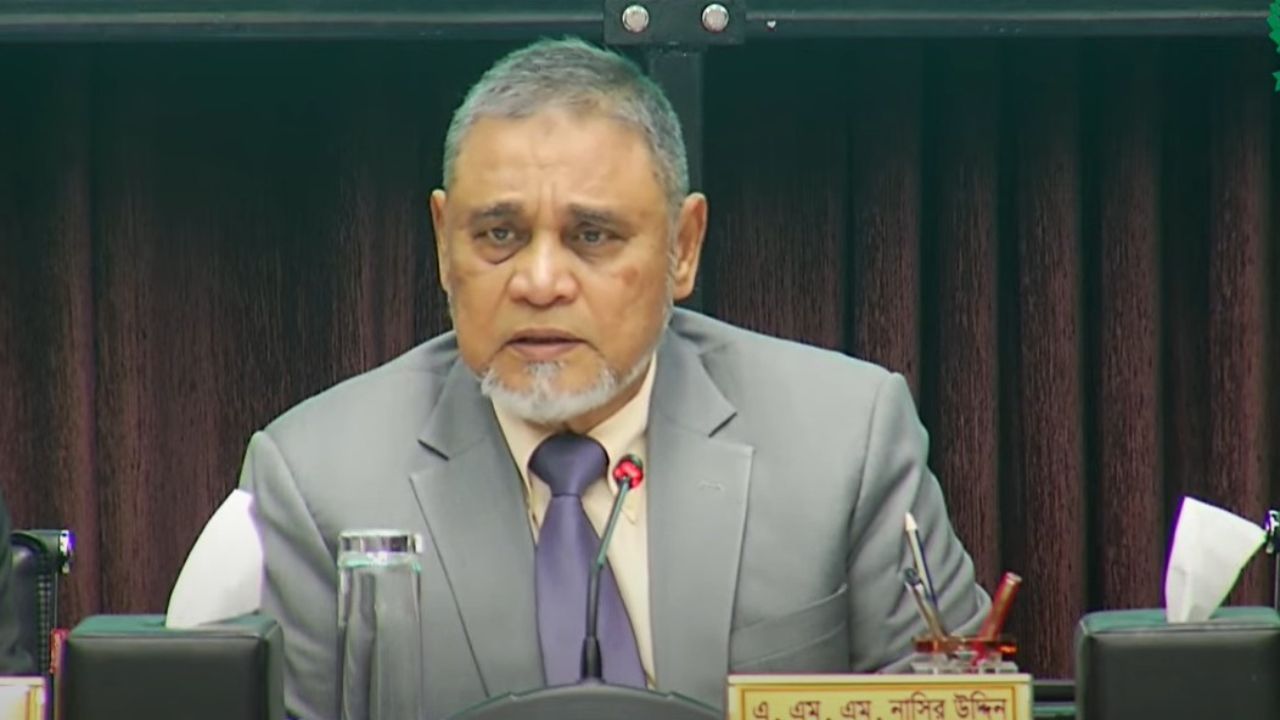

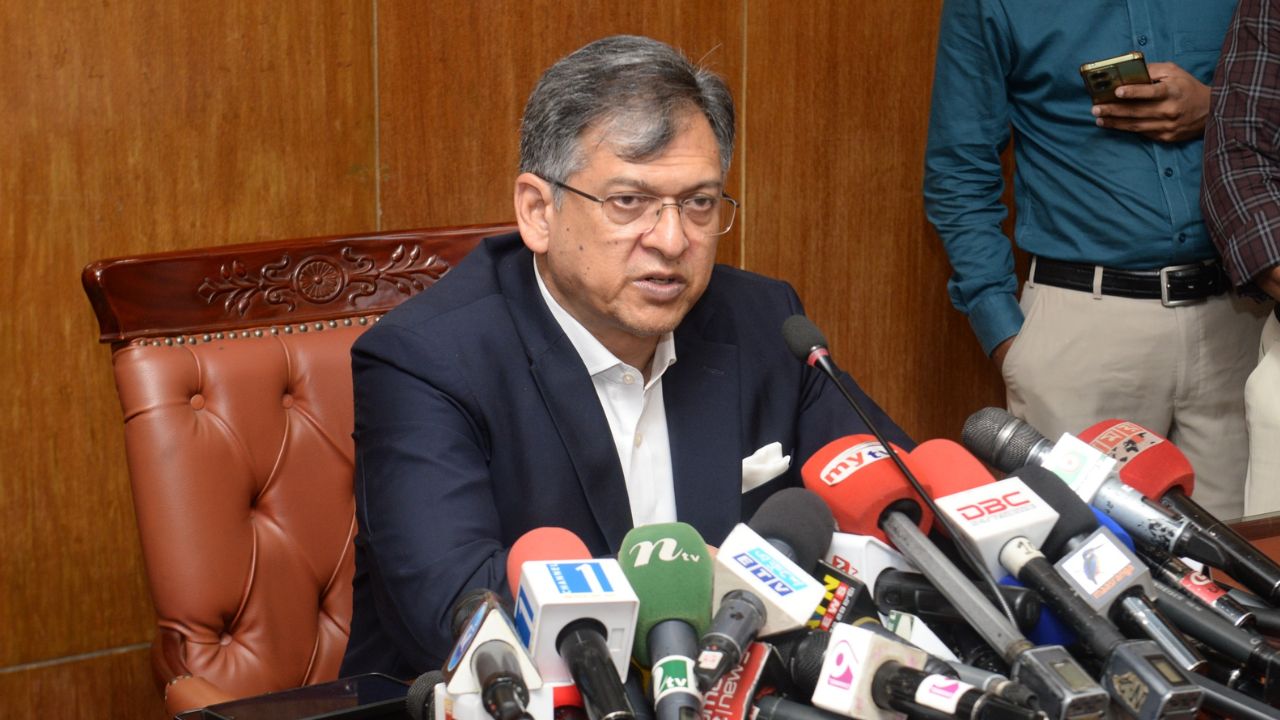
Salahuddin noted that with the spread of technology, the nature of crime is changing rapidly, and cyber‑related offences have become a significant part of modern criminal trends.
Drawing on his experience at international conferences, he said that in many countries fraud and cyber‑based crimes now account for a large share of overall crime, and Bangladesh must also give special attention to this sector.
He emphasised that no matter how advanced technology becomes, the greatest strength of the police is public trust. Without public confidence, no law enforcement agency can remain effective in the long term.
Acknowledging that public trust in the police had been damaged in the past, he said the current government has worked over the past seven months to restore the force’s image and credibility through institutional, legal, and administrative support. Addressing police members, he urged them to judge for themselves how successful they have been in earning public confidence.
He stressed the need for respectful and humane behavior with citizens, listening to people’s concerns, and providing services promptly within the law.
He also remarked that there is a distinction between a “revolution” and a “mass uprising.”
He said, “A revolution takes place for social, economic and fundamental constitutional change. In our case, a mass uprising occurred to establish a society free of discrimination and to reclaim citizens’ constitutional and democratic rights.”
For this reason, he expressed his position in favor of describing the 2024 events as the “July Student‑Mass Uprising.”
The home minister also said new officers and members would be recruited at different levels through short‑term training as required by the police. He added that manpower, equipment and logistical capacity would be increased, if necessary, while work is underway to decentralise forensic and chemical testing facilities.
He announced that a divisional forensic facility will soon be launched in Chattogram, with plans to establish similar technological facilities in other divisions in phases.
The minister further referred to the abolition of RAB and the formation of the Special Response Battalion (SRB) under police, as well as granting investigative authority to the Armed Police Battalion (APBn). The law abolishing RAB and creating the SRB was passed in parliament on 10 September and came into effect with a gazette notification on 16 September. The law expanding APBn’s investigative powers was also passed in parliament.
Addressing police members, he said, “To bring about the desired change in society, police personnel must first change their mindset. Integrity, fairness, duty and patriotism must be combined.”
He added, “The police bear the greatest responsibility for maintaining internal order in the country. If we can change ourselves, we can also contribute to changing society.”
Setting a target for police members, he said, “You must demonstrate that change before 31 December 2026.”
“Those who bring offenders under the law with skill and professionalism will be rewarded. On the other hand, negligence, indiscipline or criminal conduct will be dealt with.”
Congratulating police members who received medals, he said, “A medal is not only recognition of achievement, it is also a pledge of greater responsibility. The government’s goal is to build the police as a symbol of public trust — technologically capable, professionally enriched and humane.”