The government is launching an emergency measles vaccination campaign, lowering the minimum age to include infants as young as six months, amid a surge in infections and growing concerns over child deaths.
The special immunisation drive is set to begin on Sunday, earlier than originally planned for June, after authorities decided to fast-track the programme in response to the worsening outbreak. Officials say the move reflects an exceptional situation as cases rise among children, including those younger than previously expected.
Health and Family Welfare Minister Sardar Md Sakhawat Hossain announced the revised age range at a press briefing in the Secretariat, stating that children aged six months to 10 years will now be eligible under the campaign. Previously, the measles vaccine was routinely administered to children between nine and 15 months.
Officials say the change comes as increasing numbers of infected children are found to be around six months old. Halimur Rashid, director of the disease control unit at the Directorate General of Health Services, told TIMES of Bangladesh, “Many of the recent patients are around six months old, which is why they are now being brought under vaccination coverage.”
Public health experts note that the adjustment departs from standard global recommendations but may be justified under current conditions. Lelin Chowdhury told TIMES that children are typically born with natural immunity against measles, which remains effective for up to nine months. “That is why the World Health Organization recommends vaccination from nine months,” he said, adding that “given the current situation, the age limit has been lowered to six months.”
Another public health expert, Mushtaq Hossain, said the move would still bring benefits. “Children are dying, parents are anxious. Vaccination at six months is possible and will help,” he told TIMES. He added that infections among children under nine months are unusual, suggesting that reduced breastfeeding among working mothers could be a contributing factor.

The campaign will initially focus on areas where infection rates are highest, though authorities say it will eventually cover children across the country. Officials also clarified that the vaccine can be administered even to those who have previously received it, without causing harm.
Mahmudul Hasan, a public relations official at the health ministry, told TIMES, “There has been a gap in vaccination coverage, which is why this decision has been taken. This vaccine can be safely administered again.”
Vaccine supply and emergency measures
To support the campaign, Bangladesh has drawn on assistance from the global vaccine alliance Gavi, the Vaccine Alliance. Health authorities confirmed that all 2 crore19 lakh vaccine doses provided by Gavi are now in the country and ready for deployment, along with the necessary syringes.



These doses are being distributed to upazila-level health facilities, with shipments scheduled over Wednesday and Thursday. The government has also allocated Tk 604 crore to procure additional vaccines. Once those supplies arrive, the doses borrowed from Gavi will be returned.
According to Shahriar Sajjad, deputy director of the Expanded Programme on Immunisation (EPI), around 42 lakh children are born in Bangladesh each year, creating an annual demand for roughly one crore measles vaccine doses. The emergency campaign will therefore require nearly double the usual volume.
Rising cases and deaths
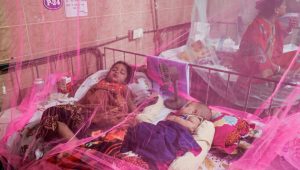
The current outbreak was first detected earlier this year in Rohingya camps in Cox’s Bazar, before spreading to urban slum areas in Dhaka. Reports of infections have since emerged from multiple districts, including Rajshahi and Mymensingh, where child deaths have also been reported.
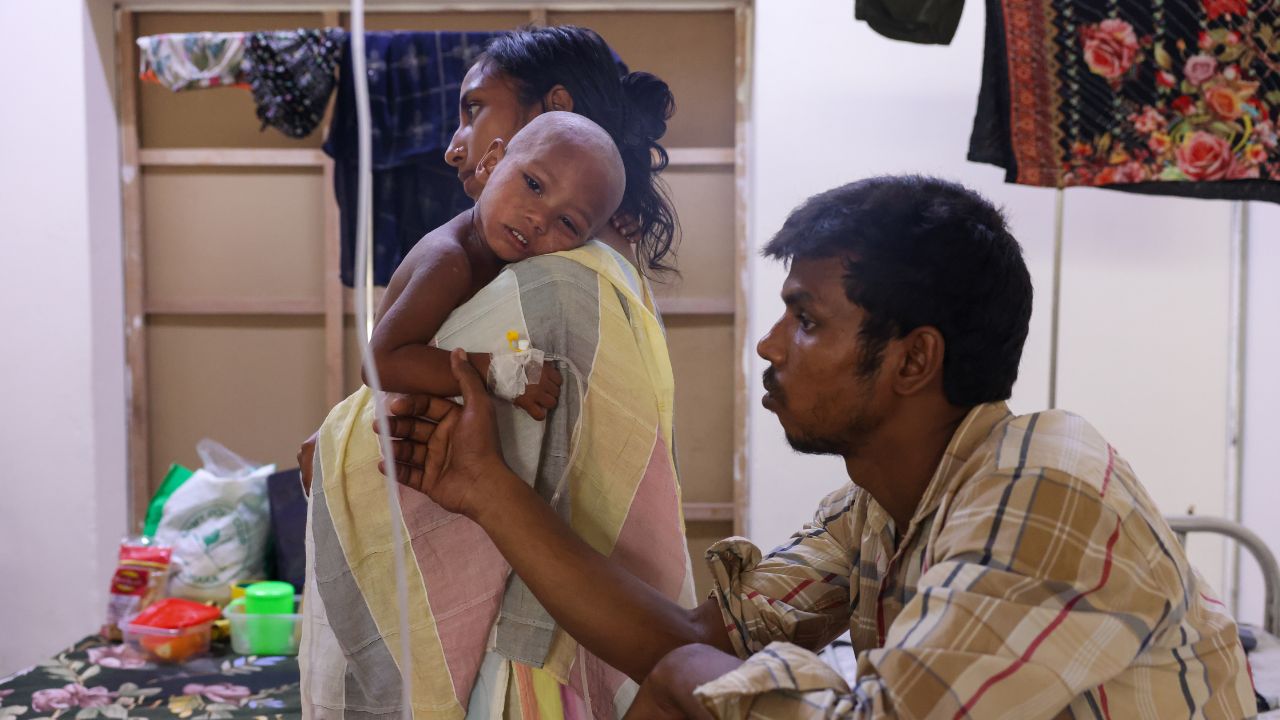
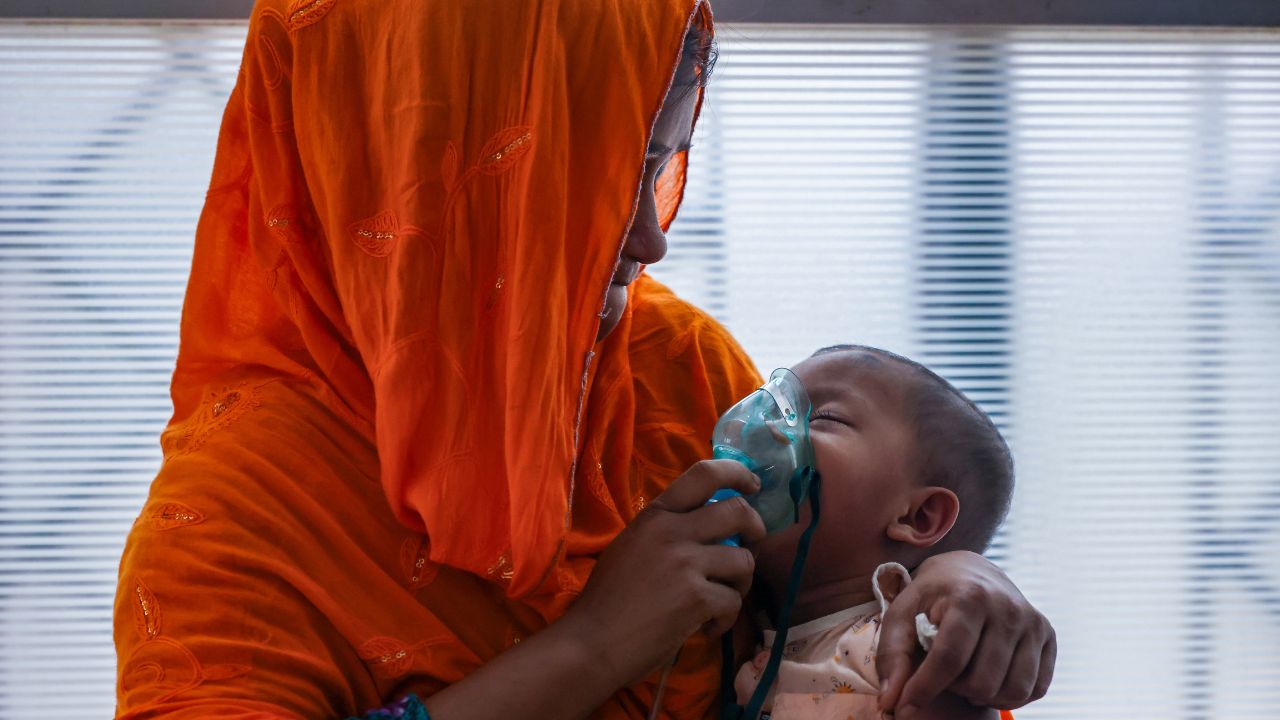
Unofficial estimates suggest that around 50 children have died from measles so far, although officials dispute the figure. Health Secretary Kamruzzaman Chowdhury said laboratory testing—conducted with support from the World Health Organization—found a direct link between measles infection and 15 deaths out of 33 samples tested, with Rajshahi particularly affected.
The health minister, however, put the total number of deaths at fewer than 40.
Causes of the crisis
Officials and experts point to disruptions in routine immunisation as a key factor behind the outbreak. Bangladesh’s vaccination programmes are typically implemented under the Health, Population and Nutrition Sector Programme (HPNSP). However, the interim government led by Muhammad Yunus cancelled the fifth phase of the programme in August 2025 following allegations of irregularities.
By mid-2025, reports began emerging from districts that vaccine stocks were running out. Efforts to launch a replacement programme faced delays due to administrative and funding challenges, slowing procurement and distribution.
Officials say uncertainty over project approvals also contributed, as stakeholders hesitated amid scrutiny over past allegations. As a result, many children missed scheduled vaccinations or failed to complete their required doses.
The Directorate General of Health Services says unvaccinated children, particularly those suffering from malnutrition, are now at higher risk of infection and complications.
Joint Secretary Mohammad Shafiul Alam said the government allocated Tk 842 crore from the revenue budget this fiscal year for vaccine procurement, of which Tk 421 crore has already been released and used to purchase doses. Once the remaining funds are disbursed, authorities expect to secure sufficient supply for at least the next six months.
In addition, a government procurement committee recently approved a Tk 604 crore vaccine purchase project funded by the Asian Development Bank. Officials say that once these new supplies arrive, the doses currently being used from Gavi will be returned.
Response and next steps
The government says it is also working with icddr,b to address the outbreak and reduce child mortality linked to measles and pneumonia.
As the emergency campaign begins, health officials face the dual challenge of containing the current outbreak while restoring confidence in routine immunisation—seen as the most effective long-term defence against vaccine-preventable diseases.