A sharp rise in diarrhoea cases has been reported across nine upazilas of Brahmanbaria with hospitals to cope with limited resources.
Medical staff say nearly 80 per cent of those admitted are children and shortages of essential supplies have compounded the crisis.
At the 250-bed Brahmanbaria General Hospital situated at Sadar upazila, the dedicated diarrhoea ward has only 20 beds, yet more than 100 patients are currently receiving treatment.
With bed capacity exhausted, many are being placed in corridors, alongside beds, corridors, and staircases.

Two consultants and a team of eight doctors from the paediatrics and medicine departments are working around the clock to handle the surge.
Hospital authorities said most essential medicines are in stock. However, shortages of Micropore, Vasofix cannulas and saline sets have complicated treatment, forcing low-income families to purchase these critical items from outside shops.
As of Friday afternoon, more than 200 patients have sought medical attention from different upazilas of the district.
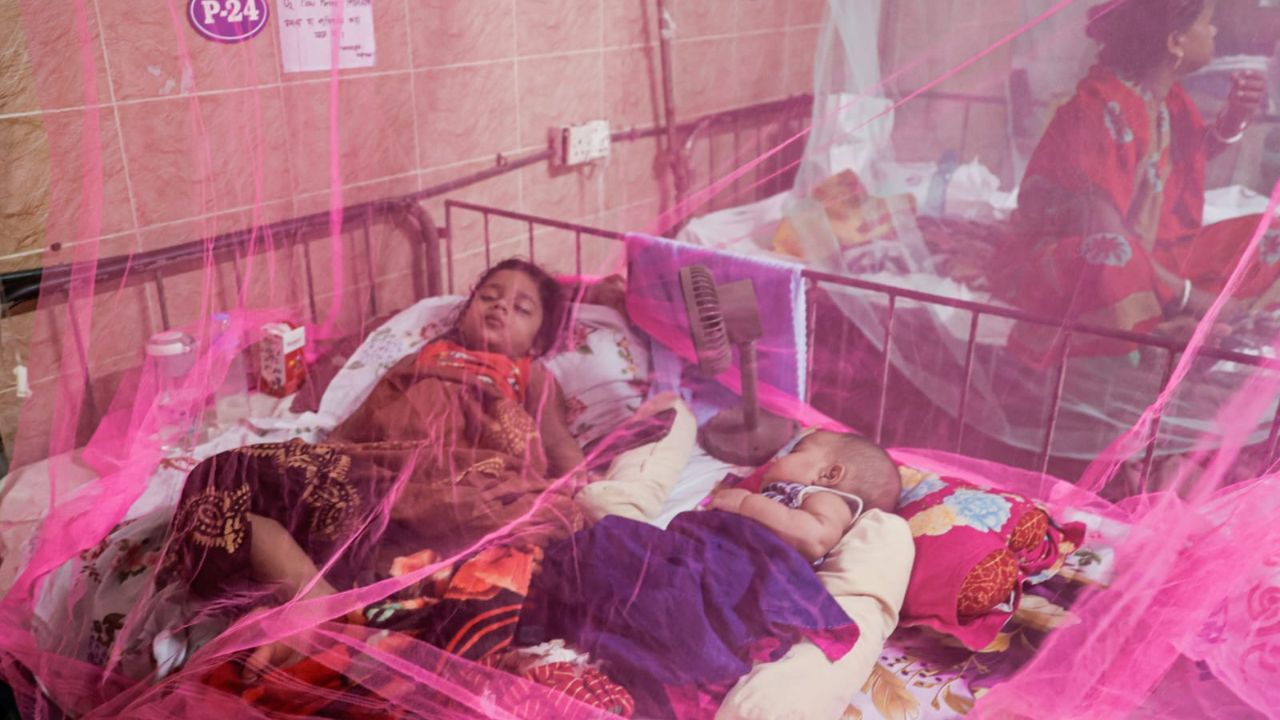


Twenty new patients were admitted on Thursday morning alone, while more than 100 remained under treatment, 15 patients were discharged the same day.
Only 20 patients per day receive hospital-provided meals, leaving the majority dependent on outside support.
Doctors warn that the number of diarrhoea patients may rise further as temperatures drop, putting additional strain on the already overwhelmed ward.
Paediatric specialist Dr Akhtar Hossain said, “The number of child patients is extremely high, and managing the pressure is becoming difficult”.
He urged parents to ensure their children consume safe drinking water.
Hospital superintendent Dr Ratan Kumar Dhali said, “Medicine supplies are adequate, but a few essential items are in short supply, which patients are having to buy themselves. The number of patients is increasing rapidly with the onset of winter. People must be made aware that free medicine is available at government hospitals.”
Civil Surgeon Dr Md Noman Mia said diarrhoea is a waterborne disease and stressed on the need for cleanliness and the use of safe drinking water.
He added that the current supply shortage would be resolved soon, but the bed crisis could not be addressed until the new hospital building is completed.