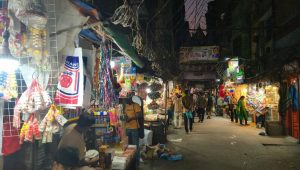




As supermarkets compete for customers with weekend promotions and discounts on vegetables, fish and household essentials, many traditional local markets in Dhaka move in the opposite direction, with traders charging higher prices on Fridays and Saturdays compared to regular weekdays.
The contrasting pricing trend raises questions about how increased consumer demand influences retail prices in Bangladesh’s informal markets.
The price of brinjal, for instance, increased by nearly 17 per cent in Karwan Bazar, while in several traditional retail markets across Dhaka it was selling for Tk80-100 per kg, marking a 33-67 per cent rise from the regular weekday price of Tk60 per kg.
Although weekday prices often fluctuate depending on weather conditions and supply levels, traders said stronger weekend demand was one of the key factors behind the higher prices.
Mizan, a retailer at Karwan Bazar, said, “On Fridays and Saturdays, many people come to Karwan Bazar from different parts of the city because they expect to find vegetables and other daily essentials at lower prices.”
According to him, retailers often raise prices by Tk5-20 per kg during the weekend due to stronger demand, while weekday prices tend to remain lower because of comparatively weaker customer turnout.

The weekend price increase was not limited to brinjal. In Karwan Bazar, pointed gourd (potol), long bean (borboti), bitter gourd (korola) and bottle gourd (lau) also recorded higher prices compared with regular weekdays.
Depending on the product, prices rose by between 14 and 33 per cent. Long bean, bitter gourd and bottle gourd each increased by around 20 per cent.
The increase was even steeper in neighbourhood markets across Dhaka, where many of the same vegetables were selling for Tk10-30 more per kg than in Karwan Bazar.
A similar trend was observed in meat and fish markets, where weekend prices were often higher than regular weekday levels.




Consumers said broiler chicken, which was selling around Tk120 per kg after Eid, was being offered at Tk130 per kg in some markets during the weekly holiday.
In several neighbourhood markets across Dhaka, however, prices ranged between Tk170 and Tk190 per kg. Native chicken (deshi murgi) also recorded price fluctuations, with retailers often asking Tk30-50 more per kg than regular weekday rates. In contrast, prices of beef and mutton remained largely stable.
The sharpest price fluctuations were observed in the fish market. Consumers and traders said prices of popular fish varieties, particularly large-sized rui, katla, boal and pangas, often increased by Tk100-200 per kg in traditional retail markets during weekends compared with regular weekdays.
Some customers alleged that retailers tended to quote higher prices when they saw increased customer traffic ahead of the weekly holiday.
For other fish varieties, including pabda, tilapia, chapila, koi and bata fish, weekend prices were often Tk50-100 per kg higher than weekday levels, according to consumers.
However, many shoppers said bargaining remained an effective tool. They noted that retailers frequently quoted prices Tk50-100 above regular market rates, but customers were often able to negotiate the price down and purchase fish at or near weekday levels.
In contrast to traditional markets, major supermarket chains including Shwapno, Agora, Meena Bazar and Unimart were offering weekend promotions on a range of vegetables, fish and meat products.
Market observations showed that several promotional prices in supermarkets were lower than both their regular prices and those in traditional markets. For example, while cucumber was selling around Tk60 per kg in traditional markets, some supermarkets were offering it at Tk42 per kg under promotional campaigns.
Similarly, pointed gourd (potol), which was selling at Tk40–50 per kg in Karwan Bazar, was available in some supermarkets at Tk28 per kg, down from a regular price of around Tk35 per kg.
While papaya was selling for around Tk40 per kg in Karwan Bazar, some supermarkets were offering it at Tk28 per kg under discounted rates. Ladyfinger (dherosh), which was selling at Tk40-50 per kg in traditional markets, was available at promotional prices of around Tk29 per kg in certain outlets.
The discounts were not limited to vegetables. Supermarkets also introduced promotional offers on selected fish and meat items, with price reductions ranging from Tk25 to Tk100 per kg depending on the product. However, the offers varied across retailers, and not all supermarket chains discounted the same products at the same time.
The contrasting pricing strategies highlight a growing divide between modern retail chains and traditional markets.
While supermarkets appear to use discounts and promotional campaigns to attract higher weekend footfall, traditional markets often experience price increases during the same period as consumer demand rises ahead of the weekly holiday.
Azizur Rahman, manager of Agora’s Farmgate branch, said supermarkets cannot raise prices abruptly because they are accountable to customers and operate under established pricing policies.