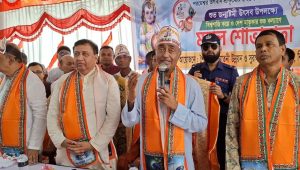
The announcement was bold. For the first time, the Election Commission (EC) has banned posters and drones in election campaigns ahead of the 13th parliamentary polls. The new ‘Code of Conduct for Political Parties and Candidates, 2025’ was published on November 10. It promises stricter control over campaign materials in an election season that often spills chaotically into public spaces.
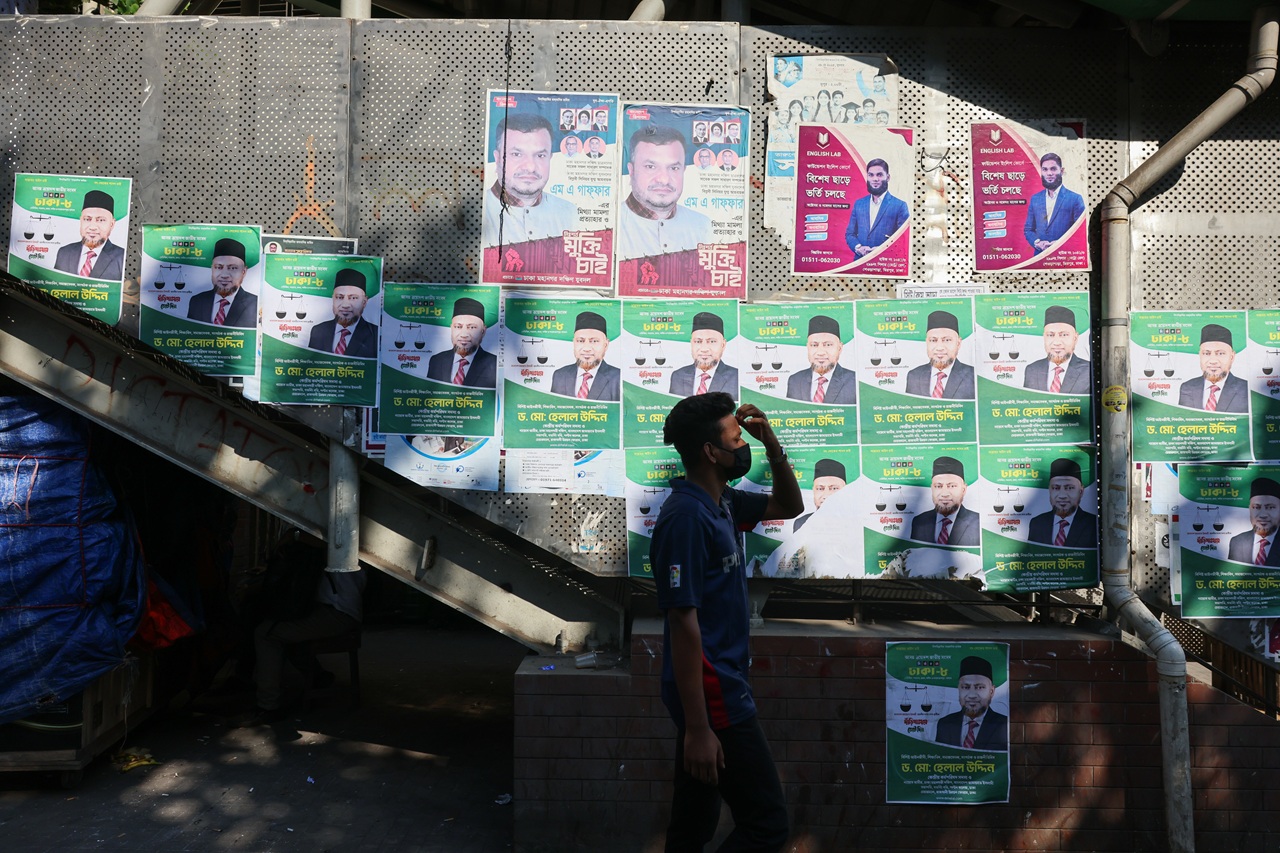
Yet, a walk through Dhaka tells a different story. Posters still cling to walls. Banners still sway from electric poles. Old billboards, splashed with smiling faces and party symbols, still rise above traffic.
The city looks unchanged despite the code that should have changed everything.
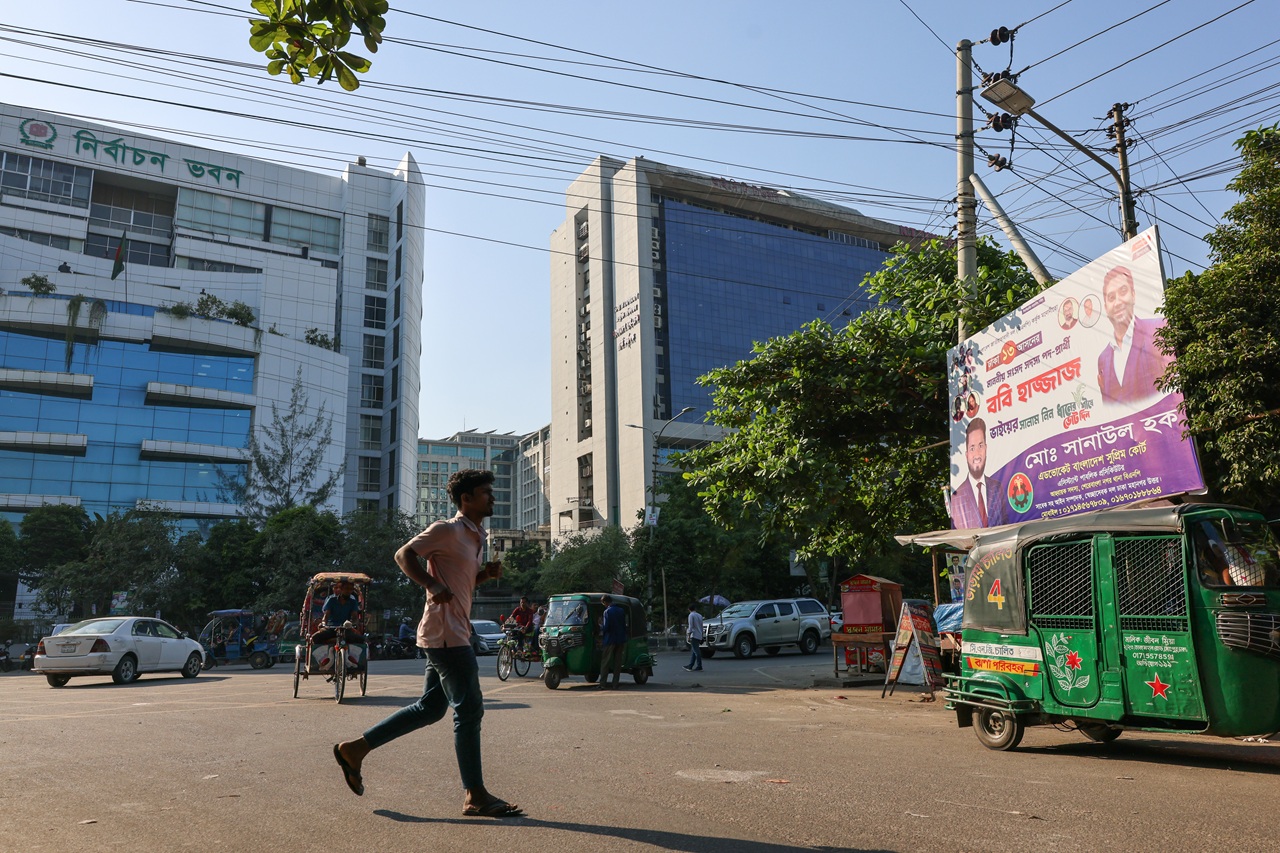
The rules are clear, tough and timely. Candidates may use only 20 billboards within a constituency. Each must stay within a 16-by-9-foot limit. Posters are banned entirely. Banners, handbills and festoons, if used, must be printed only in black and white. Handbills are restricted to A4 size; festoons cannot exceed 18 by 24 inches.

No images are allowed except the candidate’s own photo and election symbol. Any kind of bright or decorative lighting is banned, except on digital billboards. Nothing may be pasted on walls, poles, vehicles or trees. And the use of polythene, plastic or rexine is strictly prohibited.
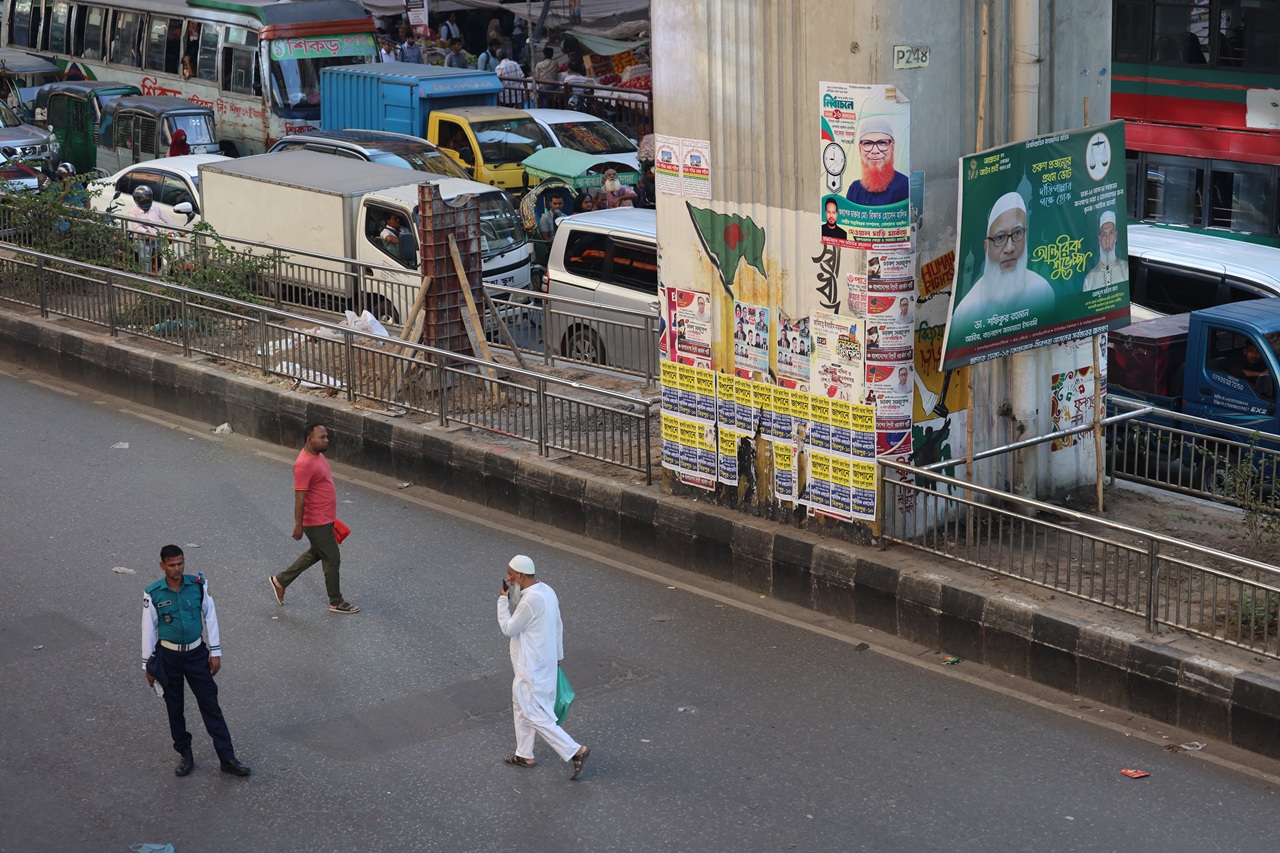
These rules aim to declutter the city, lower costs and create a level playing field. But enforcement, as always, is the missing piece. Many posters went up before November 10. Now the question hangs in the air: what happens to them?




EC officials say parties must remove everything before the official schedule is announced. But the deadline is soft. And the streets show little urgency.
In parts of Dhaka, huge billboards still glare at passers-by and posters cover long stretches of walls. Dividers and trees remain wrapped in layers of campaign clutter accumulated over weeks. The visual noise continues, unchanged.
The EC has introduced strong penalties. Six months’ imprisonment. Fines of up to Tk150,000. Even the cancellation of candidacy. Rules that should scare candidates into compliance if they are applied.
Election Commissioner, Md Anwarul Islam Sarker, urged political parties to remove their own materials voluntarily. But politics rarely runs on goodwill. Each day, the gap between rules and reality grows more visible.
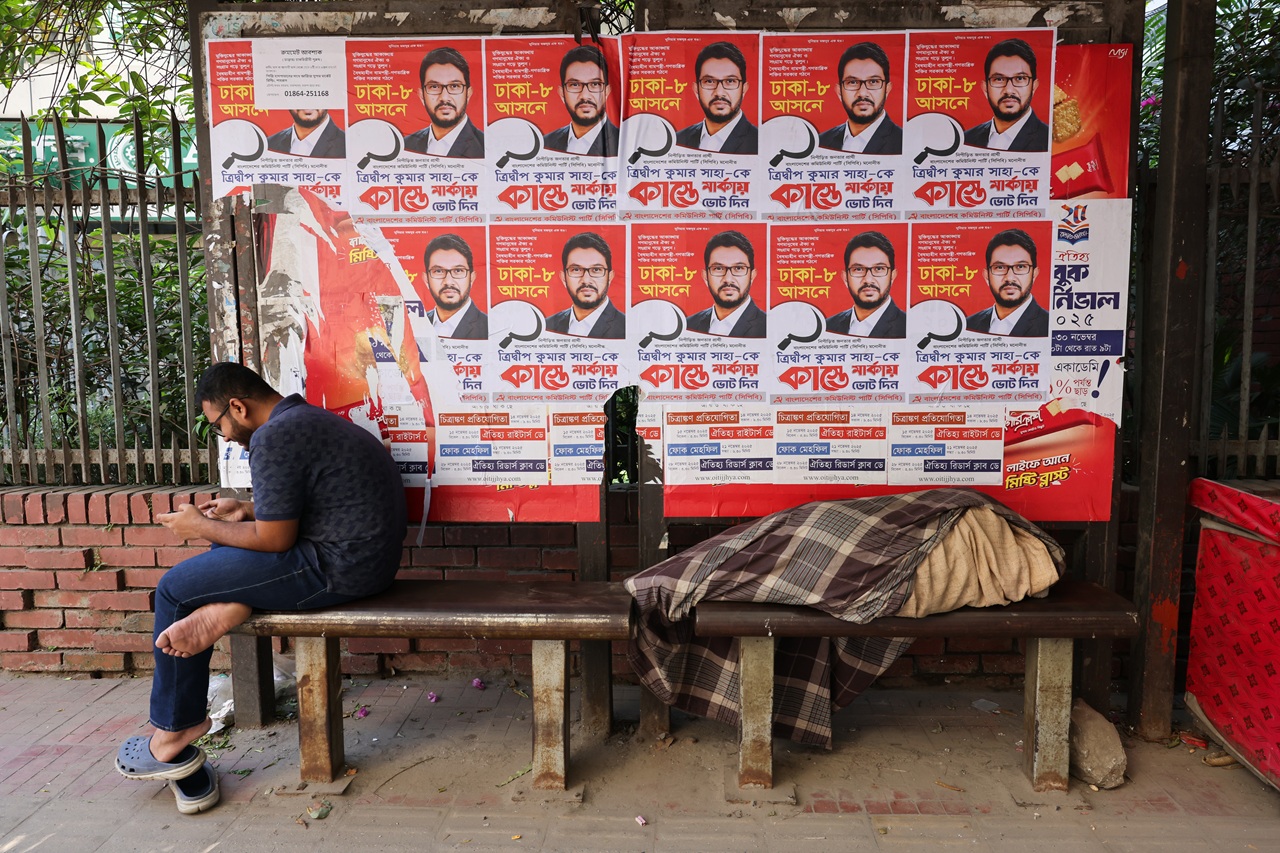
People welcome the new code; residents want cleaner streets, and election observers want fair play. But the city remains draped in posters, as if waiting for someone to take the first step.
Bangladesh has seen this pattern before. Regulations arrive with force. Implementation arrives late, or not at all. Until the EC enforces the rules with real determination, the ban will remain just words on paper. And Dhaka will continue to wear the same old colours of campaign chaos, even under a code designed to erase them.