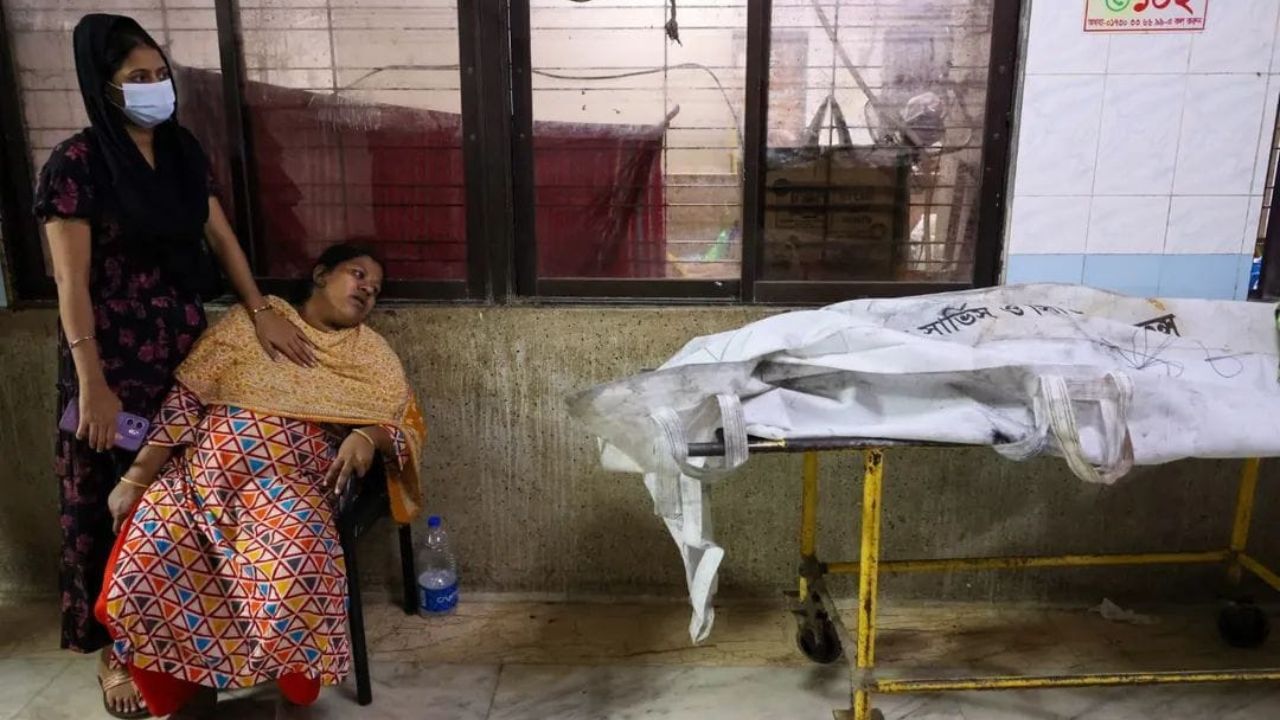

A series of deadly fires in the capital over the past several years have claimed dozens of lives, yet in most cases the victims’ families are still waiting for justice.
Despite repeated assurances from successive governments that those responsible would be held accountable, investigations have stalled, trials have slowed and many accused have been released on bail. In some recent incidents, no cases have been filed at all.
An analysis of major fire incidents in Dhaka shows that none has reached a judicial conclusion.
Public Prosecutor Omar Faruk Faruki of the Dhaka Metropolitan Sessions Judge’s Court told TIMES of Bangladesh that the delays reflect structural weaknesses in the legal framework.
“There is no modern, dedicated law to ensure speedy trials in fire-related deaths,” he said. “As a result, proceedings become prolonged, and due to legal gaps, many accused obtain bail. Ultimately, some cases do not stand.”
He called for special legislation to expedite the prosecution process in such incidents.

Rupnagar blaze: 16 dead, investigation stalled
In October 2025, a fire in the Shialbari area of Mirpur killed 16 people, many of them garment workers. A case was filed at Rupnagar Police Station accusing eight individuals, including the owner of a chemical warehouse, of causing death by negligence. Another 10 to 15 unnamed suspects were also listed.
Three months later, there has been no visible progress. The principal accused secured bail from the High Court, while others remain absconding.
Investigating officer Mokhlesur Rahman said the fire originated from improperly stored chemicals. “There was no permission to store chemicals at the site,” he said. “The investigation is ongoing. We will submit a charge sheet once it is completed.”
Uttara fire: no case filed
On 16 January this year, six people died in a fire on the second floor of a high-rise building in Uttara’s Sector 11. Yet no formal complaint has been lodged.




Kazi Mohammad Rafique Ahmed, the investigating officer at Uttara West Police Station, confirmed that no case has been filed so far. “We have completed the inquest and routine legal formalities. Further action will depend on a complaint or case being lodged,” he said.
Churihatta tragedy: Trial still unfinished
More than five years after the devastating explosion and fire in Churihatta, in Old Dhaka’s Chawkbazar area, justice remains elusive.
The blaze on 20 February 2019 killed at least 71 people. A case was filed the following day. Formal trial proceedings began in January 2023 against eight accused.
However, two years on, the court has yet to complete witness testimony. So far, six witnesses have testified, and summonses have been issued to others. All eight accused are currently out on bail. The case is being heard at Dhaka’s Eighth Additional Metropolitan Sessions Judge’s Court.
Armanitola and FR Tower: Years without verdicts
The 2021 fire at Musa Mansion in Armanitola left five people dead and 21 injured. Police filed a case against 15 individuals, including the building owner. Four years later, the trial has not concluded. Only two witnesses have testified, and all accused are on bail.
Similarly, the 2019 fire at FR Tower in Banani, which killed 27 people, has yet to reach a judicial outcome. Police filed a case shortly after the incident. A charge sheet was submitted in December 2022, but the court later ordered further investigation.
A supplementary charge sheet named eight accused, while recommending the discharge of one prominent developer due to insufficient evidence. Despite these developments, court proceedings have not progressed significantly, and all accused remain on bail.
Investigating officer Rafiquzzaman said the report had been submitted long ago. “But the judicial proceedings have not moved forward,” he said. “There has been no further communication from the court or higher authorities.”
The FR Tower blaze had previously exposed alleged building code violations, design flaws and fire safety lapses.
Calls for reform
Human rights activists and lawyers say the pattern reflects systemic shortcomings.
Zinat Ara Haque, executive director of the rights group Amrai Pari Network, said oversight failures and weak urban planning contribute to repeated tragedies. She also pointed to the burden placed on victims’ families. “Often the victims themselves must pursue the legal fight,” she said. “The government must be more proactive and responsible in ensuring justice.”
Prominent human rights lawyer Mostafa Kamal Khan argued that the problem lies within the broader judicial system. “Multiple investigating officers are often changed before a case concludes,” he said. “Witnesses are frequently unprepared or fail to appear. There is also a significant backlog in the courts.”
As fires continue to erupt in densely populated parts of the capital, families of victims say their frustration is growing. Without reform—whether through special legislation or more effective prosecution—critics warn that the cycle of tragedy followed by delay risks becoming entrenched.
For now, many cases remain suspended between investigation and trial, leaving the question of accountability unresolved.