


Sanchaya Naim
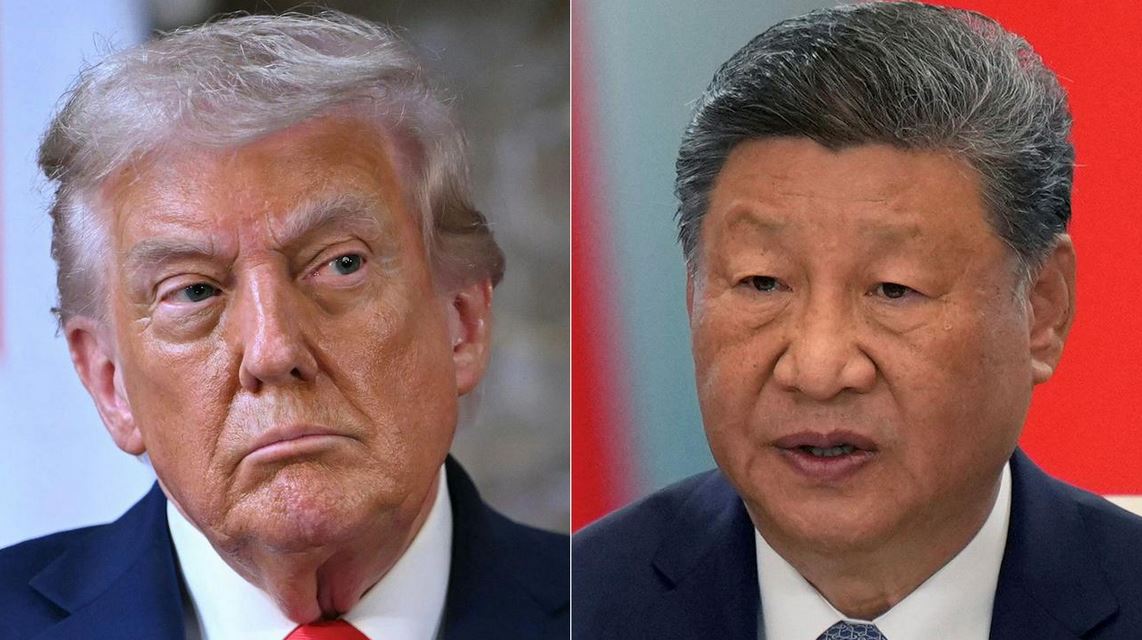
With a Trump-Xi summit scheduled for an October regional summit in South Korea, both the U.S. and China must act now instead of later to de-escalate tensions. This meeting was confirmed after a phone call between the leaders last month, which also laid the groundwork for Trump’s visit to China in the “early part of next year.
In a Truth Social post, Trump said the Chinese leader would come to the United States “at an appropriate time,” noting the leaders also made progress on “the approval of the TikTok Deal.”
Trump’s post signaled an easing of tensions with China. It also indicated a conciliatory shift in tone regarding China. The sentiment expressed in Trump’s post pointed towards a potential reduction of Sino-American tensions.

“The call was a very good one, we will be speaking again by phone, appreciate the TikTok approval, and both look forward to meeting at APEC”, Trump wrote referring to the Asia-Pacific Economic Cooperation, a group of 21 economies on the Pacific Rim.
In a dramatic reversal, Trump now announced he no longer sees a reason to meet with China’s President at the APEC summit. This shift comes less than a month after he had made positive remarks about their dialogue. The two global powers have been locked in a trade war, jostling for advantage in negotiations since the imposition of import taxes earlier this year. Both nations agreed to ratchet down tariffs after negotiations in Switzerland and the United Kingdom.




Trump said, on Friday, that he’s placing an additional 100% tax on Chinese imports starting on November 1 or sooner, potentially escalating tariff rates close to levels that in April fanned fears of a global recession. On his social media he said that he is imposing these new tariffs because of export controls placed on rare earth elements by China.
The announcement risked throwing the global economy into turmoil. Not only could the global trade war instigated by Trump be rekindled, but import taxes being heaped on top of the 30% already being levied on Chinese goods could, by the administration’s past statements, cause trade to break down between the U.S. and China in ways that could cause growth worldwide to slump. While Trump’s wording was definitive, he is also famously known for backing down from threats.
The prospect of tariffs this large could compound the president’s own political worries inside the U.S., potentially pushing up inflation at a moment when the job market appears fragile and the drags from a government shutdown are starting to compound into layoffs of federal workers. Trump also said that the U.S. government would respond to China by putting its own export controls “on any and all critical software” from American firms. His threat shattered months long calm on Wall Street. The New York Stock Exchange drops to its worst day since April after Trump threatens more tariffs on China. On Thursday, the Chinese government restricted access to the rare earths ahead of the scheduled Trump-Xi meeting. Beijing would require foreign companies to get special approval for shipping the metallic elements abroad. It also announced permitting requirements on exports of technologies used in the mining, smelting and recycling of rare earths, adding that any export requests for products used in military goods would be rejected.
Beijing actually reacted to U.S. sanctions of Chinese companies this week and the upcoming port fees targeting China-related vessels. It is widely believed that still there’s room for de-escalation to keep the leaders’ meeting alive. We understand that de-escalation will have to be mutual as well. Both the countries must act responsibly because the outbreak of a tariff-fueled trade war between the U.S. and China has already caused the world economy to shudder over the possibility of global commerce collapsing. Trump imposed tariffs totaling 145% on Chinese goods, with China responding with import taxes of 125% on American products. The taxes were so high as to effectively be a blockade on trade between the countries. That led to negotiations that reduced the tariff charged by the U.S. government to 30% and the rate imposed by China to 10% so that further talks could take place. The relief those lower rates provided could now disappear with the new import taxes Trump threatened, likely raising the stakes not only of whether Trump and Xi meet but also of how any disputes are resolved.
Differences continue over America’s access to rare earths from China, U.S. restrictions on China’s ability to import advanced computer chips, sales of American-grown soybeans and a series of tit-for-tat port fees being levied by both countries starting on Tuesday.
Trump’s latest post shows the fragility of the détente between the two countries and it’s unclear whether the two sides are willing to de-escalate to save the bilateral meeting. From Beijing’s point of view, they’re in a moment where they’re feeling a lot of confidence about their ability to handle the Trump administration. Their impression is they’ve come to the negotiating table and extracted key concessions. Trump’s post could “mark the beginning of the end of the tariff truce” that had lowered the tax rates charged by both countries.
It’s still unclear how Trump intends to follow through on his threats and how China plans to respond. Both sides are reaching for their economic weapons at the same time, and neither seems willing to back down. But for the sake of the global economy, the United States and China must be prepared to engage in high-level dialogue. The stability of the world economy depends on the willingness of the United States and China to return to the negotiating table at the highest level.
The writer is a journalist for Xinhua News Agency