Following the Bangladesh Nationalist Party’s (BNP) landslide victory in the 13th National Parliament election, members of the country’s cultural community have expressed cautious optimism, outlining their expectations for the new administration.
The BNP secured more than two-thirds of the parliamentary seats, achieving an absolute majority. After the completion of constitutional formalities, party chairman Tarique Rahman was sworn in as Prime Minister on Monday, February 17. Representatives from across the arts sector have since welcomed the new government and shared their hopes with The TIMES of Bangladesh.
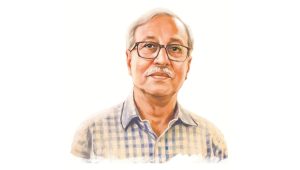
Shahiduzzaman Selim, President of the Directors’ Guild, praised the newly formed government. “All those who have taken the oath this time have clean images. I know many of them personally. If they continue their activities as they have from 12 February until today (February 17), then I am optimistic,” he said, adding that he hopes the government will honour the commitments it made regarding arts and culture in its public statements.

Rashed Mamun Apu, General Secretary of the Actors’ Association, emphasised the need for formal recognition of acting as a profession. “Acting as a profession is always neglected. We want state recognition of this profession,” he said. He also called for the full implementation of the Artists’ Welfare Fund, including pension provisions and other financial safeguards for performers.
The ongoing crisis in the country’s cinema hall infrastructure remains a major concern for the film industry. Producer Khorshed Alam Khasru expressed hope that the new government would take decisive action. “I believe that if the government builds 300 cinema halls in 300 parliamentary constituencies, then this crisis will be largely resolved,” he said.




Film director Bulbul Biswas also urged the administration to adopt a more film-friendly approach. He called for the establishment of a full-fledged film university offering comprehensive training across disciplines such as cinematography, editing, directing, acting and make-up artistry.
“Those of us who are working now did not receive institutional training in this way,” Biswas said. “A proper film university would strengthen the industry. He further stressed the need for infrastructural development, as well as government support for film screening and marketing, simultaneously noting that while Bangladeshi films are submitted to major international festivals, including the Oscars, effective award campaigns require significant funding.
“To receive awards at these platforms, it is not enough to simply submit a film; various promotional campaigns are required, which many producers cannot afford,” he said, urging the government to allocate financial support for international promotion. He also called for greater transparency in the distribution of film grants and the National Film Awards.
Theatre director Chayanika Chowdhury highlighted broader social concerns, expressing a desire for stability and security. “As an ordinary citizen, I want a safe and secure life where I can work wholeheartedly and in peace, without obstacles,” she said.
As the new government begins its tenure, the cultural community appears united in its hope that policy reforms and structural support will strengthen the country’s artistic landscape.