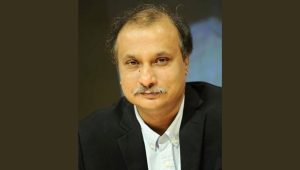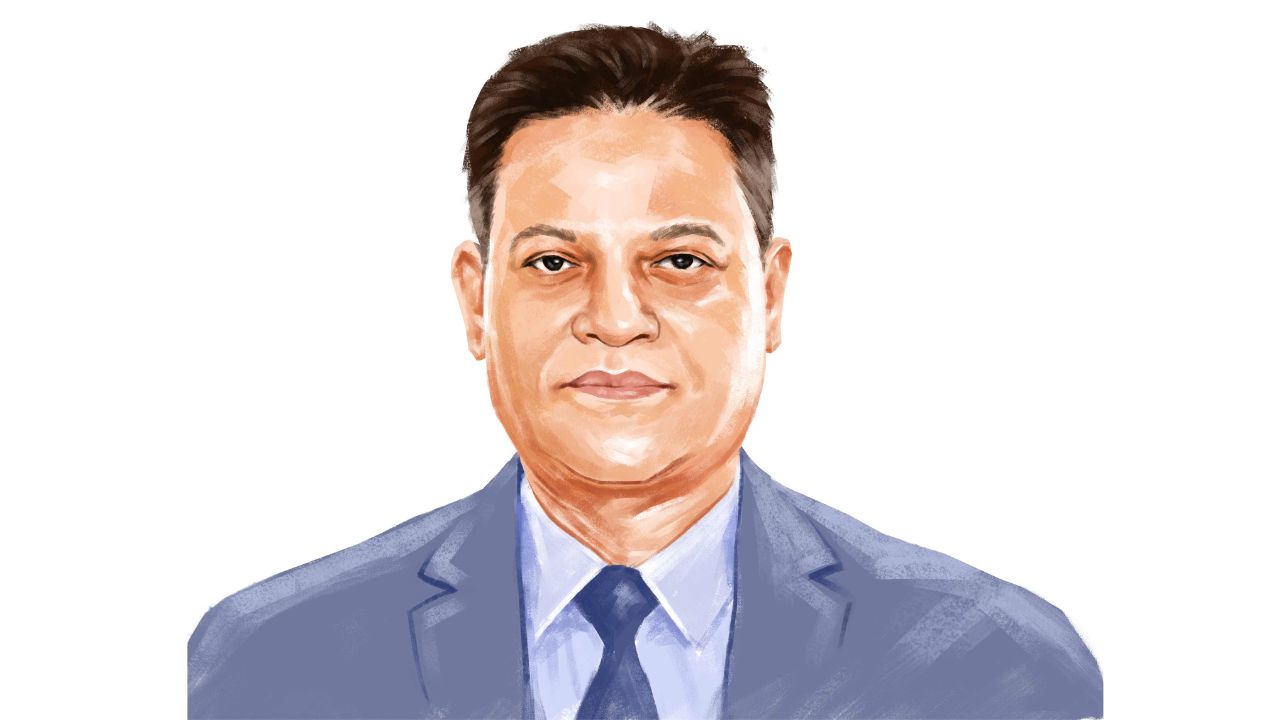



Controlling crime and rebuilding public trust remain the biggest challenges for Bangladesh’s police force, the newly appointed Inspector General of Police (IGP) Md Ali Hossain Fakir has said, pledging to prioritise easing traffic congestion, curbing teen gangs and eliminating the drug trade.
In an interview with Kamruzzaman Khan of TIMES of Bangladesh, he warned that no one will escape justice for taking part in mob violence. “Anyone found involved in mob attacks would face strict legal action.”
He said special operations were already under way to arrest criminals and would be intensified nationwide after Eid-ul-Fitr.
Speaking on Thursday afternoon at the Secretariat, after meeting Home Minister Salahuddin Ahmed and before heading to meet Prime Minister Tarique Rahman, the new IGP discussed a range of pressing issues facing the force.
Asked whether cases would be filed over the killings of police during the mass uprising of July–August 2024, he said the matter rested with the government.
“If we receive instructions, the police will act,” he said.
Responding to another question, he said drives to recover illegal firearms and weapons looted from police stations would continue, with new strategies to be adopted if necessary.

Referring to the severity of traffic congestion in the capital, the IGP said no street vendors would be allowed to operate along roadsides after Eid.
He said the vendors would be rehabilitated and relocated to designated “holiday markets”, which would operate twice a week in Dhaka.
Roadside stalls are among the main causes of gridlock, he said, adding that indiscriminate parking was also worsening congestion.
He noted that the Prime Minister had instructed authorities to take swift action to ease traffic in the city.




The police chief also confirmed that a special operation against crime was under way and would be intensified further after Eid-ul-Fitr.
Since the drive began on Wednesday, a significant number of suspects had been detained in several areas, he said, adding that operations would be guided by crime statistics to target offences prevalent in specific localities.
“No one’s political identity will be considered during these operations,” he said, stressing that eliminating crime requires cooperation from all sections of society.
Police will also work to raise public awareness, he added.
Parents must play a leading role in preventing neighbourhood crime, he said, urging them to remain vigilant about where their children go, who they associate with and what activities they engage in.
If community representatives, religious leaders and families work together, he said, the police will be better equipped to combat crime.
During the interview, the 15th BCS batch officer described teenage gangs and drug abuse as among the most pressing social problems facing the country.
He said a peaceful society could only be built through the collective participation of leaders from all political parties and members of civil society.
With broader public support, he added, it would be possible to build a people-friendly police force capable of uprooting crime at its source.
He acknowledged that the police once enjoyed a proud reputation, but said that image had been damaged for various reasons.
The force’s political use in the past had eroded public confidence, he said, and restoring trust would require rebuilding the police as a truly professional institution.
Asked whether the police would return to its previous uniform, the Inspector General said that decision lay with the government.
“If the government seeks our view, we will provide it,” he said.
Pointing out that many countries around the world have developed innovative approaches to tackling crime, he questioned why Bangladesh could not do the same.
Every citizen has a responsibility, he said, stressing that respect for the law must be universal.
Police would work nationwide under a priority-based action plan, he added, and necessary directives would be issued shortly.