


For seventeen years, Cox’s Bazar Medical College existed in an odd state of incompleteness—recognised by name, crowded with students, yet missing the one thing that defines a medical college in practice: its own hospital. That gap, long felt by students, teachers, and the district’s nearly two million residents, is finally set to close.
The government has given final approval for a 500-bed hospital to be built alongside the medical college, a decision that promises to reshape healthcare and medical education in this coastal district. The project has cleared the National Committee on Government Purchase (CCGP), paving the way for a ten-storey hospital building equipped to deliver comprehensive services comparable to those available at Dhaka or Chattogram Medical College hospitals.
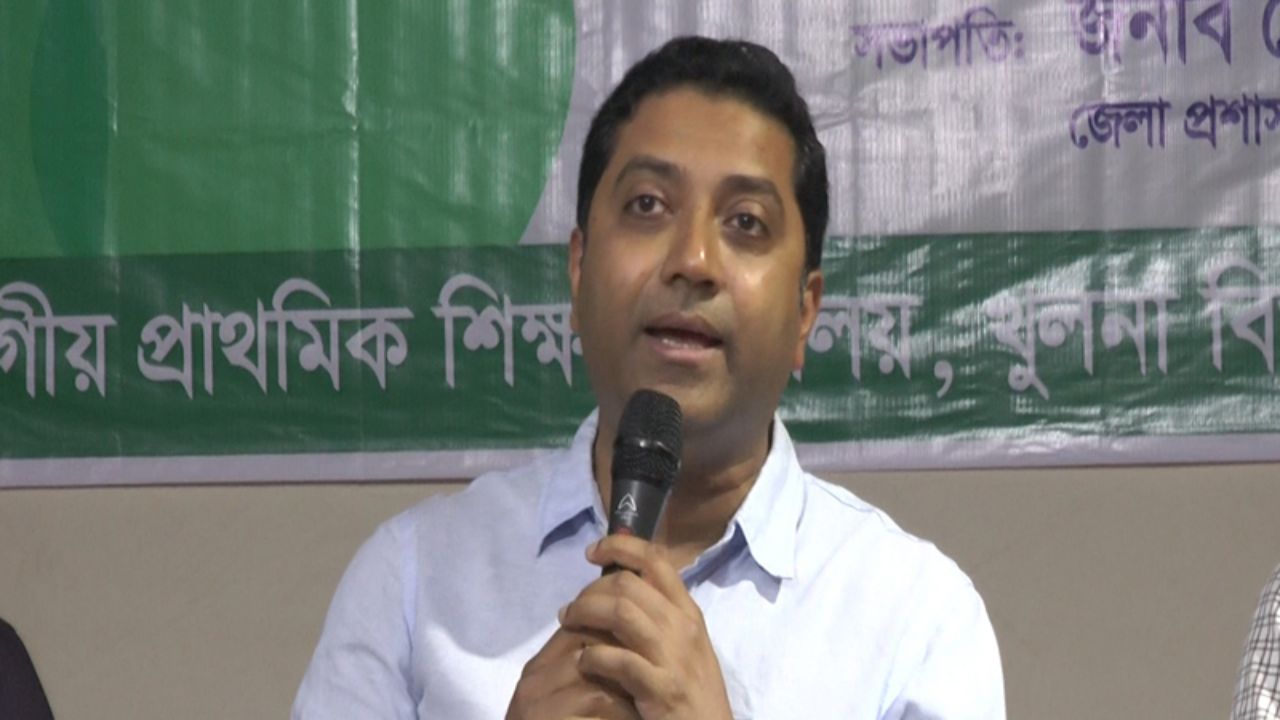
The development was confirmed by the college’s principal, Dr Sohel Boksh, who said the final approval was communicated at a recent CCGP meeting. For him, the decision marks a turning point not only for the institution but for the wider region.
Once operational, the affiliated hospital is expected to bring what he described as a “revolutionary change” to healthcare in Cox’s Bazar. Each department will have specialist physicians, and services currently unavailable at the district’s general hospital will be introduced. Fully equipped Intensive Care and Coronary Care Units are also planned, alongside improvements in the quality of clinical training for students.

The hospital will also alter the scale of the college itself. At present, Cox’s Bazar Medical College employs just over seventy-five teachers, officers, and staff. With the new hospital in place, that number is expected to rise beyond one hundred and fifty. Student intake will grow as well. The college currently admits one hundred students a year, with a total enrolment of around four hundred. That figure is likely to increase to five hundred in the near future.
The approval brings relief after years of frustration. The medical college began its journey in 2008 from a temporary campus beside the Cox’s Bazar District Sadar Hospital. Academic activities moved to a permanent campus in Jhilongja in 2017, following prolonged protests. Yet without an affiliated hospital, students have continued to travel nearly ten kilometres to the district hospital for practical classes and internships.



Students say the problems go beyond distance. Despite the label of a modern institution, transport is limited to just two basic buses. Teacher shortages are acute, and accommodation remains inadequate. Fourteen batches of students have already graduated while waiting—often impatiently—for the promised hospital to materialise.
From the outset, the plan for Cox’s Bazar Medical College included a 500-bed hospital with at least twenty clinical departments. In reality, none of that infrastructure took shape. Many professor and associate professor posts remain vacant. Although some assistant professors have been attached to the college on an officer-on-special-duty basis, much of the teaching has relied on junior faculty, held together by improvised arrangements.
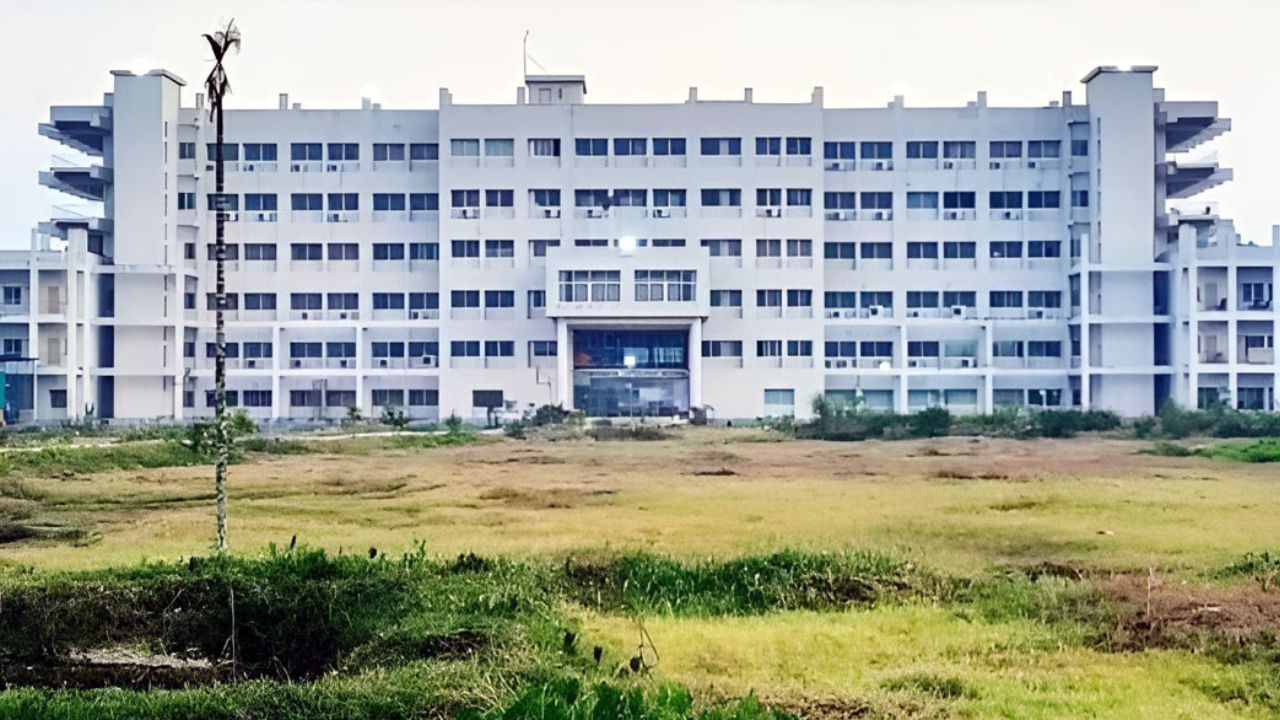
Even the physical structures tell a story of incompletion. The academic building was designed as a ten-storey block, but only six floors have been built. Two student dormitories, meant to rise six storeys each, were left at three, forcing students to live in overcrowded rooms.
For current students like Mizanur Rahman, the hospital approval feels like the end of a long vigil. He said students have repeatedly pressed their demand through formal channels, organising rallies and gatherings over the years. News of the approval, he said, has brought a rare sense of collective relief.
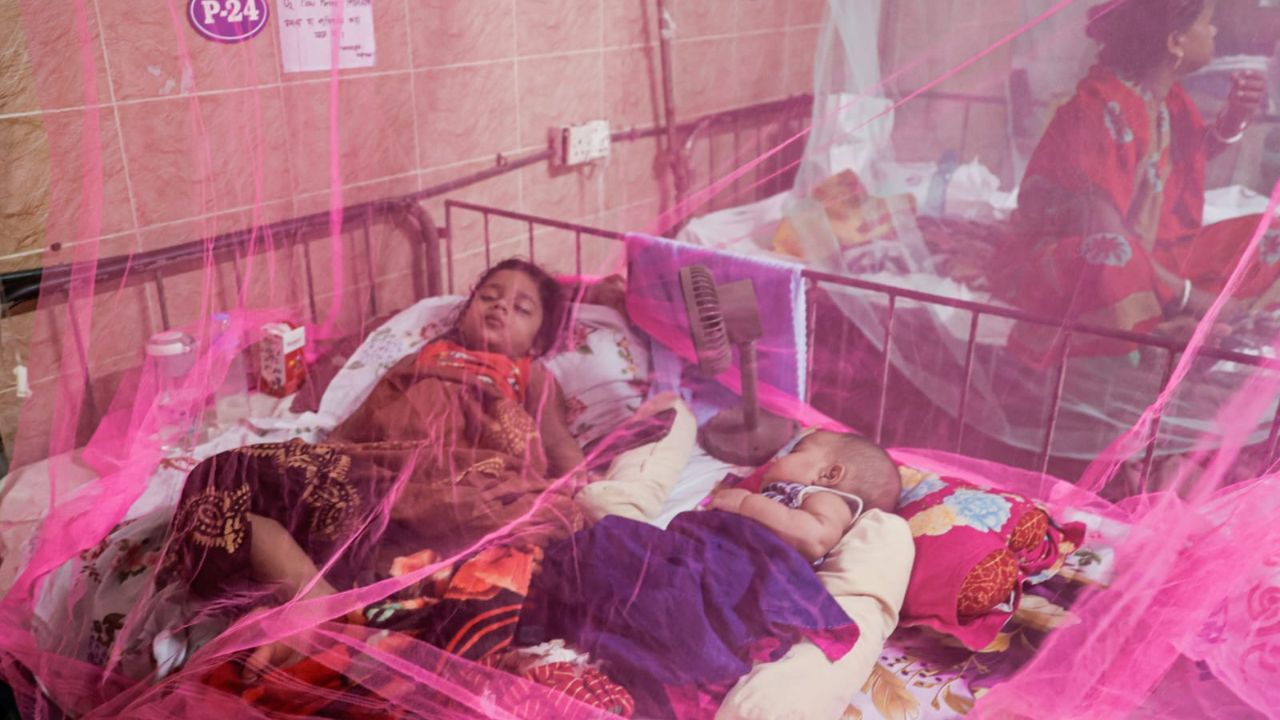
Beyond the campus, the implications are broader. Abu Morshed Chowdhury Khoka, president of Cox’s Bazar’s civil society forum, pointed out that the district’s existing 250-bed sadar hospital serves not only local residents but also Rohingya refugees, while millions of tourists pass through the area each year. The result, he said, is a hospital that routinely admits three to four times its intended capacity. A fully functional medical college hospital, he argued, would be nothing short of a blessing.
For alumni, the announcement carries a quieter satisfaction. Dr Ripon Chowdhury, among the earliest graduates of Cox’s Bazar Medical College and now a doctor at the district hospital, recalled the early years of agitation for a proper campus and a complete institution. Many of those efforts, he said, went unanswered at the time. Hearing that the college is finally moving towards its intended form feels, at last, like closure.
Cox’s Bazar Medical College remains the only government medical college in the district. It is affiliated with Chattogram Medical University, listed in the World Directory of Medical Schools, and currently runs twenty-one departments, ranging from Anatomy and Physiology to Cardiology, Paediatrics, Anaesthesiology, and Dermatology.
Its permanent campus spans thirty acres, with a six-storey academic building, separate dormitories for male and female students, a Shaheed Minar, and a mosque. For years, the missing hospital loomed over all of it—a visible absence. Now, with approval finally secured, that absence is set to be filled, and with it, a long-deferred promise to both students and the people of Cox’s Bazar.