

Bangladesh is bracing for a difficult summer, with high temperatures, repeated heatwaves and severe thunderstorms expected over the next three months, making life harder for both urban and rural communities.
Several parts of the country are already experiencing the heat. The highest temperature on Friday was recorded at 39.7 degrees in Chuadanga, followed by 39.5 degrees in Rajshahi. On Saturday, Chuadanga recorded a maximum temperature of 38.5 degrees.
Dhaka is also experiencing elevated heat stress, with a maximum temperature of 36.1 degrees on Friday.
According to the latest April–June 2026 forecast issued on 4 April by the Bangladesh Meteorological Department, both day and night temperatures are likely to remain above normal across the country.
The bulletin warned that six to eight mild to moderate heatwaves and three to four severe heatwaves could occur this month alone, highlighting the risk of prolonged heat stress in many areas.

Meteorologist Muhammad Abul Kalam Mallik told TIMES of Bangladesh that this year is expected to be hot but is unlikely to see a continuous 35-day heatwave like in 2024.
“April and May are typically the hottest months in Bangladesh, and the country is now entering its peak heat period,” he said, adding that temperatures in April usually remain around 33 degrees, but once they rise above 36 degrees, conditions fall into the heatwave category.

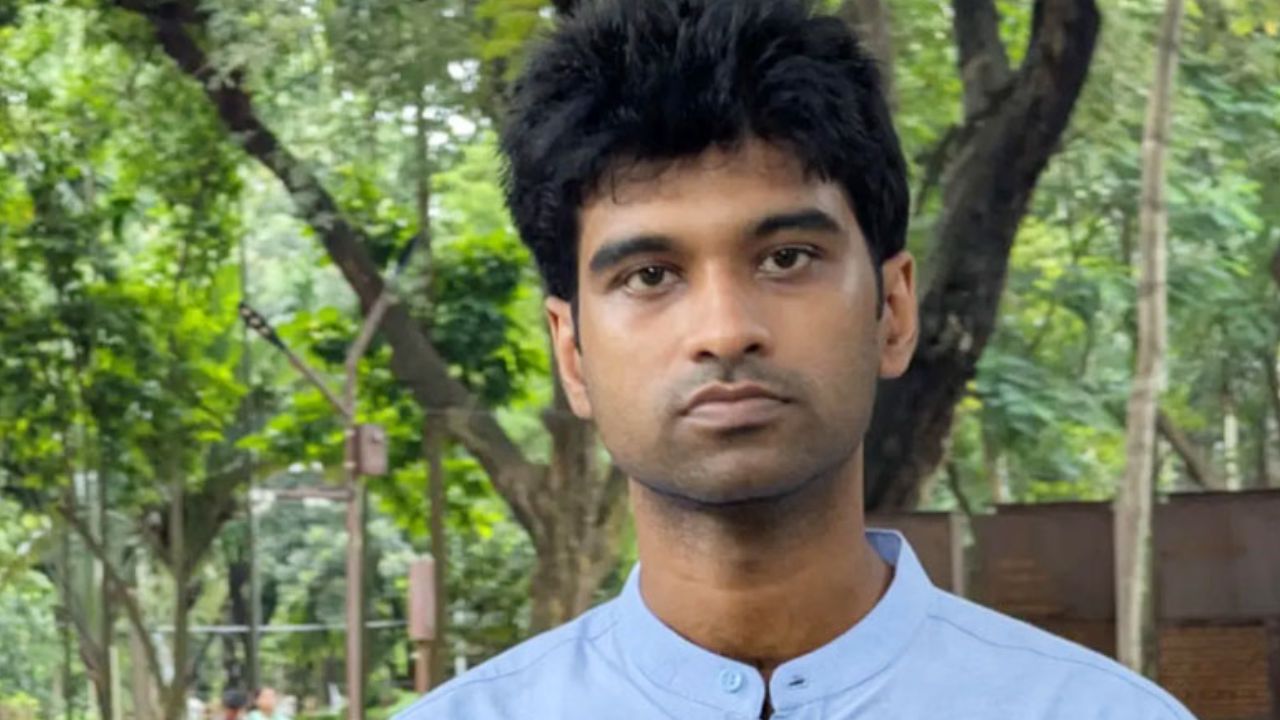


Under Met Office classification, temperatures of 36–37.9 degrees are considered a mild heatwave, 38–39.9 degrees a moderate heatwave, 40–41.9 degrees a severe heatwave, while 42 degrees or above is classified as a very severe heatwave.
He also said heatwaves are no longer limited to the traditional pre-monsoon period. What was once mostly an April–May phenomenon is increasingly extending into June, July, August and even September — a shift he linked to climate change.
Although rainfall is forecast to remain normal, this does not necessarily mean a comfortable summer. The Met Office forecast says there is a possibility of six to eight days of light to moderate thunderstorms and three to five days of severe thunderstorms with hail this month.
April and May are also the peak months for Kalbaishakhi, the seasonal nor’westers that often bring strong winds, hail and dangerous lightning.
Mallik warned that lightning remains a major public safety concern in Bangladesh, where hundreds of people die from lightning strikes each year. He added that improved early warning systems helped reduce fatalities in 2025, but public awareness of weather risks remains low.
According to the Met Office, heatwaves have spread across 27 districts. Districts in Rajshahi and Khulna divisions (18 districts), along with nine additional districts, are currently experiencing heatwave conditions.
Outside Dhaka, the affected districts include Faridpur, Gopalganj, Manikganj, Narayanganj, Chandpur, Rangamati, Barishal and Patuakhali.
Thunderstorm activity between 6 and 8 April may bring a temporary drop of 1–2 degrees, but temperatures are expected to rise again after 9 April.
The Met Office said three to four low-pressure systems are likely to form over the Bay of Bengal between April and June, and one to two of them may intensify into a depression or cyclone.
The forecast suggests Bangladesh is entering a hot, unstable and potentially risky pre-monsoon season, even if this year may not match the exceptional duration of the 2024 heatwave.