Tensions flared once again along the Pakistan-Afghanistan frontier late Tuesday night, as fierce clashes broke out between Pakistani security forces and Taliban fighters in Kurram district of Khyber Pakhtunkhwa, marking one of the deadliest border exchanges in recent years.
According to Pakistan’s state-run media, Afghan troops initiated “unprovoked” firing, prompting a strong retaliation from Pakistani forces that reportedly destroyed several Afghan tanks and military positions.
Afghan officials in Khost province later confirmed the skirmish, with local sources claiming that a senior commander of Fitna al-Khawarij was killed in the encounter.
This is the second major border clash between the two sides in less than a week. Pakistani authorities said that Afghan forces and Pakistani Taliban militants jointly attacked a border post, triggering an immediate counteroffensive that also targeted a nearby training facility believed to be run by the Tehrik-e-Taliban Pakistan (TTP).

Although Pakistan’s military has yet to issue an official statement, cross-border tensions have been escalating since the weekend, when heavy gunfire across multiple border points left numerous casualties on both sides.
Following mediation by Qatar and Saudi Arabia, Taliban forces reportedly agreed to a temporary ceasefire after midnight on Wednesday.


Both nations, however, are offering conflicting accounts of the toll. Kabul claimed to have killed 58 Pakistani soldiers, accusing Islamabad of repeated incursions.
Pakistan, on the other hand, downplayed its losses while asserting that dozens of Taliban-linked militants were neutralized.
Islamabad continues to accuse the Afghan Taliban government of providing safe haven to TTP fighters responsible for deadly attacks inside Pakistan – a charge Kabul has consistently denied, saying it does not allow its territory to be used against any neighbour.
The 2,600-kilometre Durand Line, a historic and contentious border drawn during the British colonial era, remains a flashpoint in relations between the two Muslim-majority neighbours.
Despite Pakistan’s earlier support for the Taliban during their insurgency, relations have deteriorated sharply since the Taliban’s return to power in 2021, as TTP-led attacks inside Pakistan have surged.
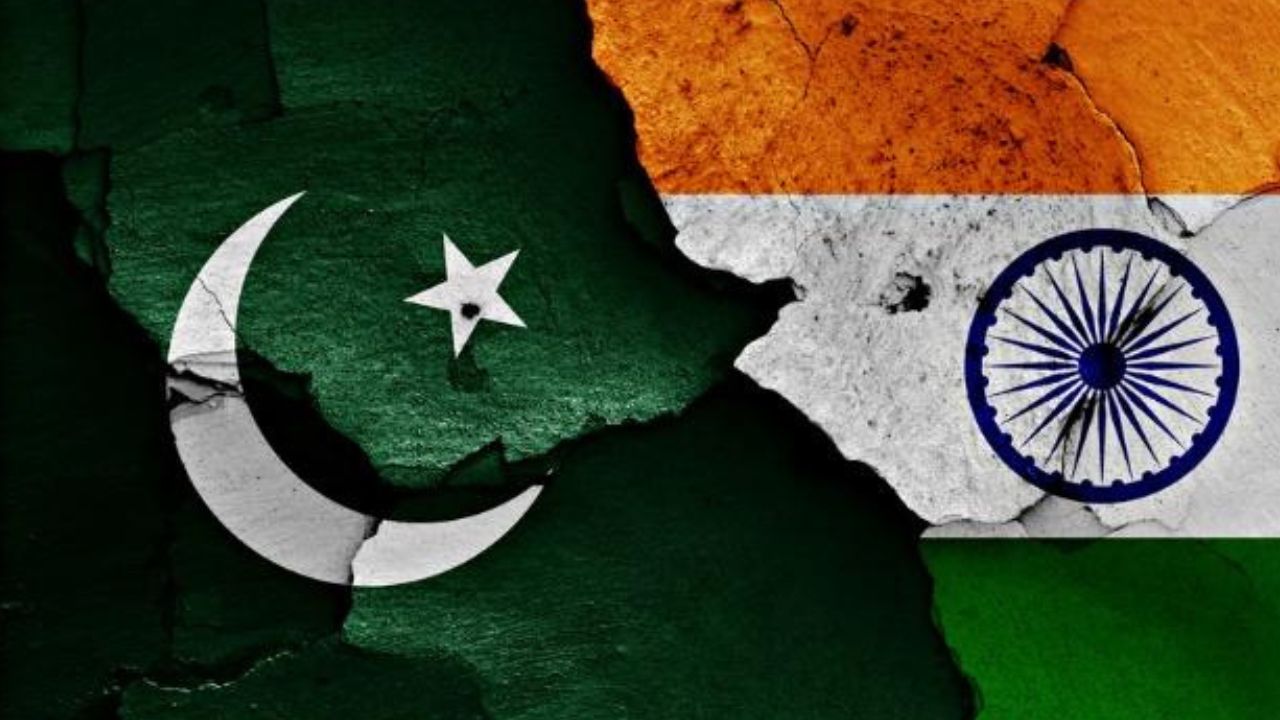
Adding a new layer of complexity, Islamabad views India’s growing diplomatic engagement with the Taliban as a security concern.
The Taliban’s recent overtures to New Delhi, including plans to reopen the Indian embassy in Kabul have further alarmed Pakistan, already wary of being encircled by rivals on both its eastern and western borders.
Analysts warn that unless both sides commit to renewed dialogue, the Pakistan-Afghanistan border could once again become a flashpoint for regional instability.