Health experts are warning of a dangerous “double pathology” as Bangladesh is going to face concurrent outbreaks of measles and dengue, leaving vulnerable children at severe risk.
Measles patients, and those recently recovered, face devastating complications if they contract dengue, as a weakened immune system leaves the body less capable of fighting a second viral assault.
While simultaneous co-infection is rare, it becomes a distinct possibility when multiple viruses circulate at the same time, rapidly worsening a patient’s condition.

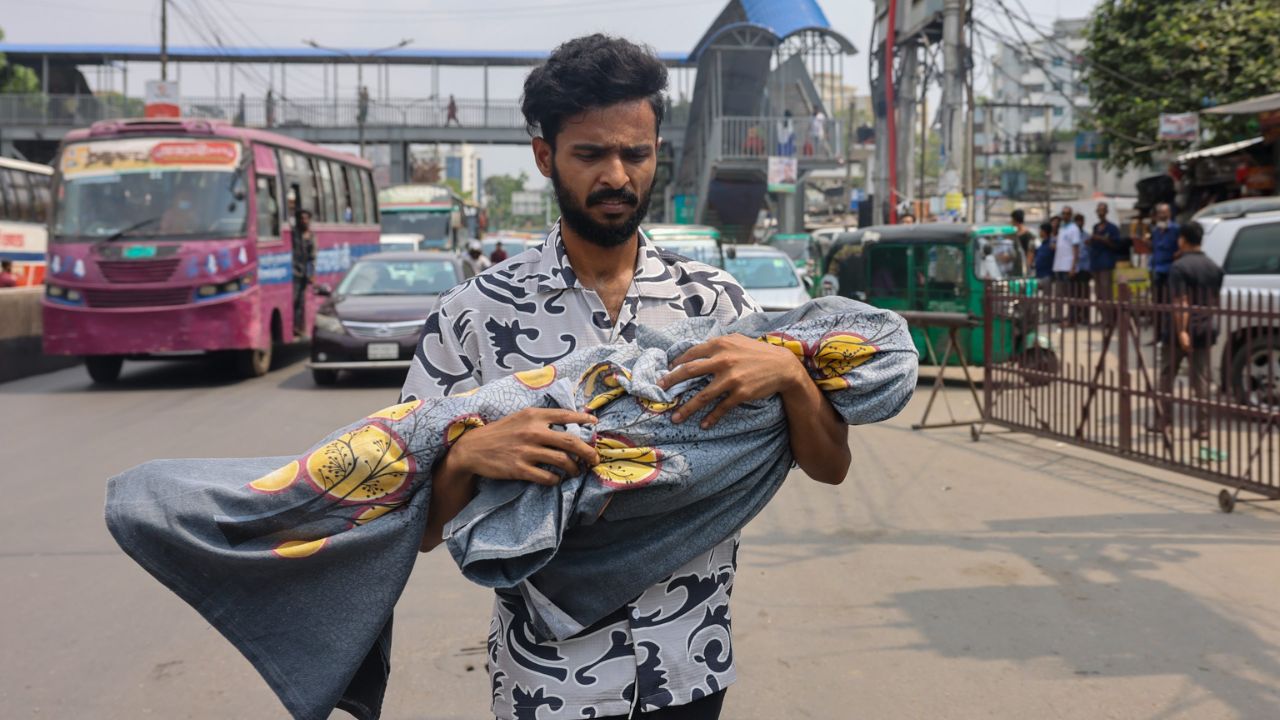
Public health officials reported three more child deaths from measles symptoms in the past 24 hours, bringing the total death toll from confirmed and suspected cases to 613 since 15 March.
According to the Directorate General of Health Services (DGHS), 9,620 patients have been officially diagnosed with measles during this period, while suspected cases have reached a staggering 77,791.
The threat of sequential infection
As epidemiologists predict a sharp rise in dengue cases in the coming days, the overlapping prevalence of both viruses has raised alarms.

While simultaneous dual infection in a single patient is relatively rare, experts caution that sequential infection, specifically contracting dengue shortly after recovering from measles, presents a life-threatening risk.
“There is no rule that two infections cannot happen together, and when they do, complications increase,” said Dr Mohammad Mushtuq Husain, public health expert and former principal scientific officer of the IEDCR.

“However, the biggest risk is for those who have recently recovered from measles. Their immune system is severely compromised, making subsequent dengue infections incredibly dangerous.”
Dr Husain explained that while viruses naturally compete, making simultaneous co-existence uncommon, dual infections should not be dismissed during concurrent outbreaks.



Paediatric vulnerability and rising dengue numbers
Children are bearing the brunt of the crisis. DGHS statistics show that out of 3,604 total dengue cases recorded as of Saturday, a significant portion involves young children: 301 cases are in children aged five and under, and another 241 are in children aged six to ten. So far, six dengue-related deaths have been recorded in 2026.
Dr Md Atiqul Islam, a paediatric specialist at the Bangladesh Shishu Hospital and Institute, highlighted how easily dengue can strike a recovering child.

“When someone is recovering from a viral illness, their immunity is low. If an Aedes mosquito bites them during this window, they can easily contract dengue,” Dr Islam said. “This overlap significantly complicates both diagnosis and treatment for clinicians.”
Govt calls for vigilance
Health and Family Welfare Minister Sardar Md Sakhawat Hossain urged early caution and preventive measures on Saturday. He warned that a severe form of dengue may emerge this year, leading to dangerous complications such as haemorrhage and bleeding disorders.
Measles patients and those recently recovered face severe complications if they contract dengue, as a weakened immune system leaves the body less capable of fighting a second viral assault.
Experts warn that this overlapping risk can rapidly worsen a patient’s condition. While simultaneous co-infection is rare, it becomes a distinct possibility in outbreak situations where multiple viruses circulate concurrently.

The crisis is already escalating. Three more children have died with measles symptoms in the last 24 hours, raising the total death toll from confirmed and suspected measles to 613 since March 15 of this year. Directorate General of Health Services (DGHS) data reveals that 9,620 patients have been diagnosed with confirmed measles, while suspected cases have reached a staggering 77,791.
Simultaneously, epidemiologists warn that Bangladesh will soon face a surge in dengue cases. According to the DGHS, six people have died of dengue so far in 2026, with total infections reaching 3,604 as of Saturday. Young children make up a significant portion of these patients; DGHS statistics show that 301 children aged five and under, and 241 children aged six to ten, have been infected this year.
This overlapping prevalence has raised alarms regarding the potential for both co-infections and sequential infections. Health and Family Welfare Minister Sardar Md. Sakhawat Hossain warned on Saturday that severe dengue strains may emerge this year, causing life-threatening complications like haemorrhages and bleeding disorders. He stressed the critical need for early caution and preventive measures.

Public health experts reiterate that while simultaneous co-infection is rare due to natural viral competition, sequential infection, contracting dengue immediately after measles, presents a severe risk.
Dr Mohammad Mushtuq Husain, public health expert and former principal scientific officer of the IEDCR, explained: “There is no rule that two infections cannot happen together. It can happen, and complications will increase. The biggest risk is for those who have recently recovered from measles.
If they then get dengue, the condition can become very severe because their immune strength is reduced.” He added that while dual infections are less frequent, they are medically possible and must not be dismissed during concurrent outbreaks.
Echoing these concerns, paediatric specialist Dr Md Atiqul Islam of the Bangladesh Shishu Hospital and Institute highlighted how easily an Aedes mosquito bite can devastate a recovering child.
“When someone has a viral illness, their immunity is low,” Dr Islam said. “Co-infection is possible, and when both happen together, severity increases due to double pathology. Furthermore, patients in the recovery phase of one illness might still develop dengue within a matter of weeks, significantly complicating diagnosis and treatment for clinicians.”