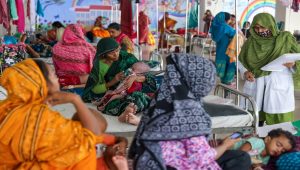
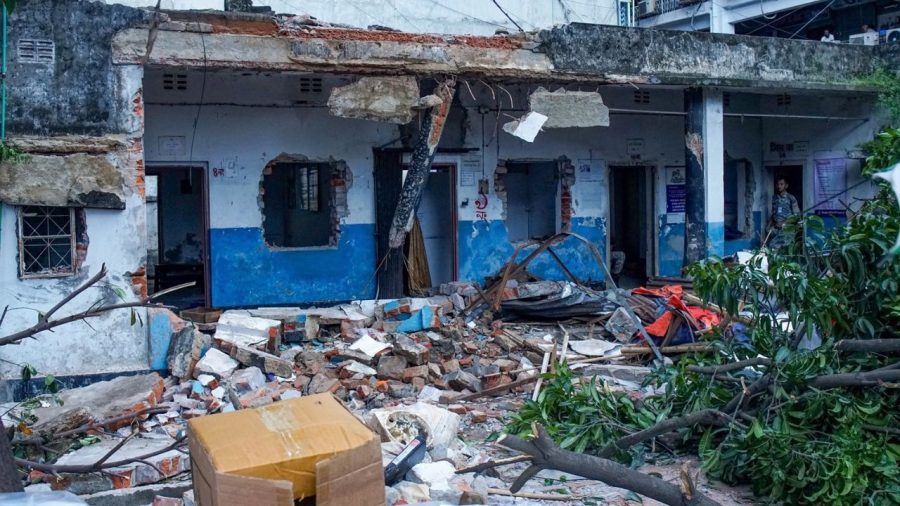



Nearly two weeks after an organised gang looted and demolished parts of the Radda MCH-FP Centre in Dhaka’s Mirpur-1, medical equipment recovered by police has yet to be returned, leaving vulnerable patients without affordable diagnostic services.
The violent attack on 24 September triggered swift political fallout, costing BNP lawmaker Ferdousi Ahmed Misty her parliamentary seat and prompting the dissolution of the party’s Dhaka North unit alongside three affiliated committees. Yet the recovery of two covered vans filled with stolen medical gear has brought little comfort to local residents, who remain cut off from heavily subsidised healthcare.
During the late-night assault, several hundred men stormed the facility, bound security guards, looted vital medical equipment, and used heavy machinery to tear down structural walls.
Radda MCH Executive Director Nasrin Akhtar subsequently filed a case detailing widespread theft: ultrasound machines, colour printers, computers, generators, refrigerators, air conditioners, medicines, specialised beds, and essential diagnostic tools were all carted away.

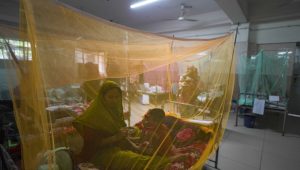
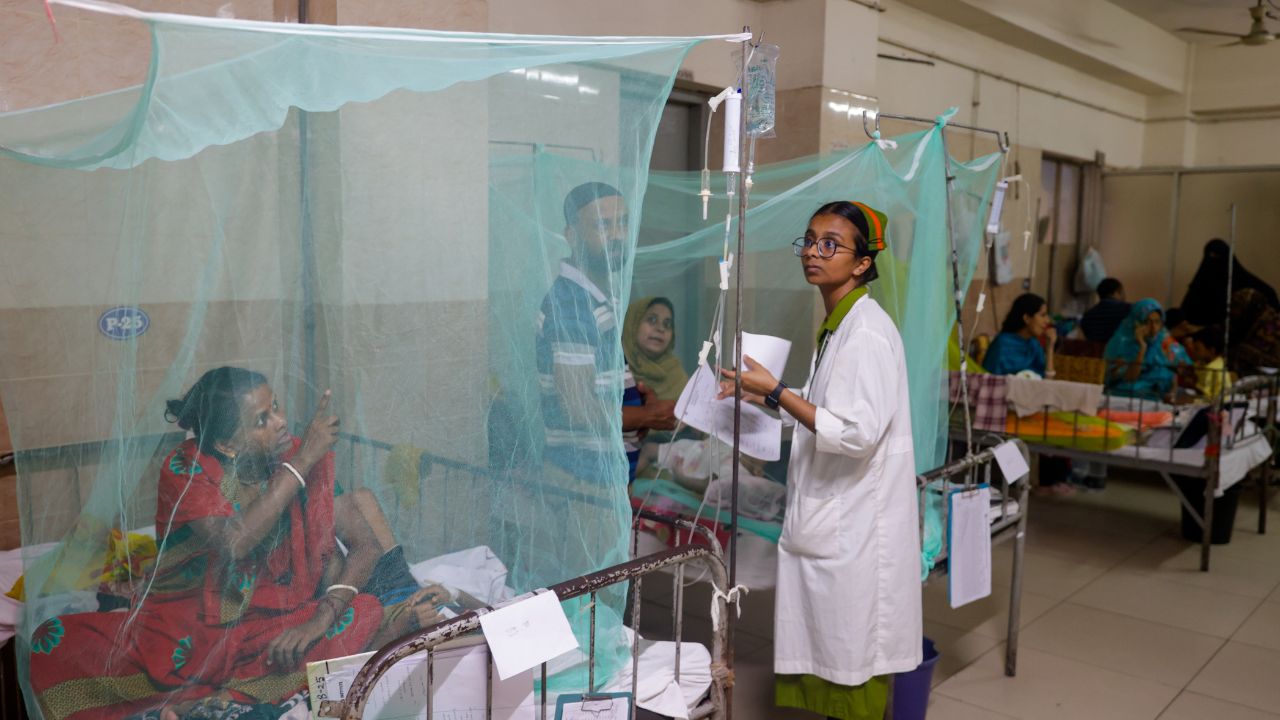
While Radda has managed to resume basic operations alongside ongoing building repairs, key diagnostic services remain suspended. “We cannot perform ultrasound examinations because the machines were taken away,” Nasrin told TIMES.
Previously, an ultrasound at Radda cost between Tk500 and Tk600. Today, impoverished patients are forced to visit private clinics in Mirpur, where identical procedures cost between Tk2,300 and Tk3,500, an exorbitant increase for low-income households. Discussions are under way with the Radda Trust and the Directorate General of Health Services to procure replacement supplies, but full restoration remains a distant prospect.


The delay in restoring services stems from bureaucratic procedure. On 26 September, police intercepted two covered vans in Uttara’s Diabari area, recovering 46 categories of stolen goods, including vaccines, refrigerators, and a generator. However, the items remain impounded.
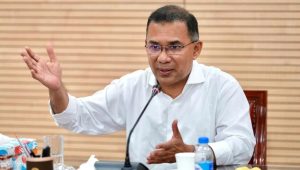
“We are awaiting court instructions before returning the seized property,” explained Rakib Khan, Deputy Commissioner of the Dhaka Metropolitan Detective Branch (DB) Mirpur Division.
Radda has appointed a lawyer and petitioned the court for the immediate release of its property. Nasrin warned that prolonged storage risks permanently damaging sensitive electronic gear. “If the equipment remains unused and improperly stored for a long time, there is a serious risk it will be rendered useless,” she said.
On site, physical reconstruction is progressing rapidly. The state minister for youth and sports announced funding for repairs on 27 September, enabling workers to rebuild demolished veranda walls, install new iron grilles and doors, reconnect water tanks, and refurbish consultation rooms.
Meanwhile, police investigations are expanding. Law enforcement agencies have arrested 21 individuals, including Jubo Dal leader Tariqul Islam, out of 40 identified suspects. Most detainees are affiliated with the BNP or a local traders’ association, Samamana Dokandar Samabay Samity. The then officer-in-charge of Shah Ali Police Station has also been withdrawn from his post, with DB now leading the enquiry into the 150 to 250 people spotted on CCTV.
Rakib Khan said CCTV footage showed between 150 and 250 people at the scene, but their presence did not necessarily mean they were all involved in the attack.
“Although CCTV footage shows around 150 to 250 people present at the scene, not all of them can be described as being involved in the incident,” he said. “Investigations are continuing to establish who went there as workers or labourers, who brought them and who the main masterminds behind the incident were.”
While the political dust settles and structural repairs near completion, the human cost remains high. Until the court authorises the release of Radda’s impounded equipment, Dhaka’s poorest residents continue to pay the price for a crime in which they were the ultimate victims.