The Central Depository Bangladesh Limited (CDBL) functions as the sole securities depository of Bangladesh and recognised as the infrastructure backbone of the country’s capital market (Dhaka and Chittagong bourses). Since 2004, it is been at work following a great stock market debacle in 1996.
The CDBL was established with intent to eliminate risks of loss and forgery, delay in trading among other reasons. Over the years, the CDBL plays a key role in managing electronic record of securities and instruments like paper shares, bonds and mutual funds.
The CDBL also plays a vital role in pledging and unpledging securities for lenders- banks and non-bank financial institutions- as collateral against loans. It also assists listed companies in distributing dividends, both cash and stock, among shareholders through their respective BO (beneficiary owner) accounts. As regards the ownership transfer of such securities, the CDBL as a custodian maintains BO accounts and also runs the job of electronic subscriptions and allotments of IPO shares.

As of today, the CDBL is dedicated to serving listed companies only as a share transfer tool. However, the central point is: the depository does not serve non-listed companies in handling and managing their shares and instruments. Who does manage the non-listed ones then?
It is the Office of the Registrar of Joint Stock Companies and Firms (RJSC) that only monitors compliance issues regarding the transfer of ownership of shares and bonds to non-listed companies. Even shares are still paper-based. As a result, companies are using the 117 Form as per Companies Act 1994 to transfer ownership of such paper-based shares. So, every transfer needs documentation of a lot of papers, which is time-consuming. Apart from this, the RJSC scrutinises thump impression that needs a seller’s physical presence, leading to the delay in share transfer. Even cost is involved in case of any RJSC official’s visit to the particular seller’s premises.




If electronic recording is in place, the hassles of paper documentation or physical presence could be avoided, thereby saving both time and cost. So, things can be easier and smoother if the CDBL is empowered to manage non-listed firms in dealing with their share transfers.
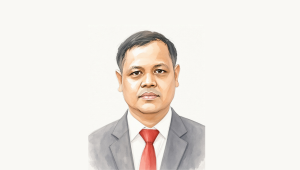
This scribe talked to Md. Abdul Mutaleb, the managing director and CEO of the CDBL, about the electronic transfer of shares via BO accounts. He said the CDBL is well-equipped with both infrastructure and technology to serve non-listed firms as well to ensure clarity and transparency of share transfer, but “policy support is needed to get the mandate to accomplish the task”. Mr Mutaleb, however, said strong political commitment for such a deregulatory measure is crucial to bring non-listers under the CDBL. In India, the electronic share transfer issue for private companies is still optional.
To sum up, the CDBL should be a single custodian of shares in Bangladesh. If it really happens, 100 percent dematerialisation of securities will ensure accountability and clarity, which will attract foreign direct investment for non-listed companies. Lenders will feel comfort with lien shares of such companies as collateral against loans. As start-up business in Bangladesh is growing faster, it is the right time to ensure visibility of ownership in electronic forms at the early stage of formation and registration of companies. Moreover, the CDBL will keep e-record, update and traceability of shares.
The writer is a Managing Partner of C-Net (Consultant Network)