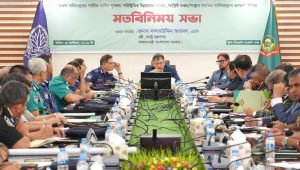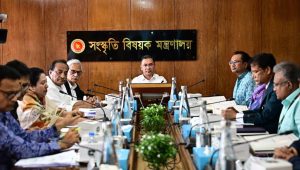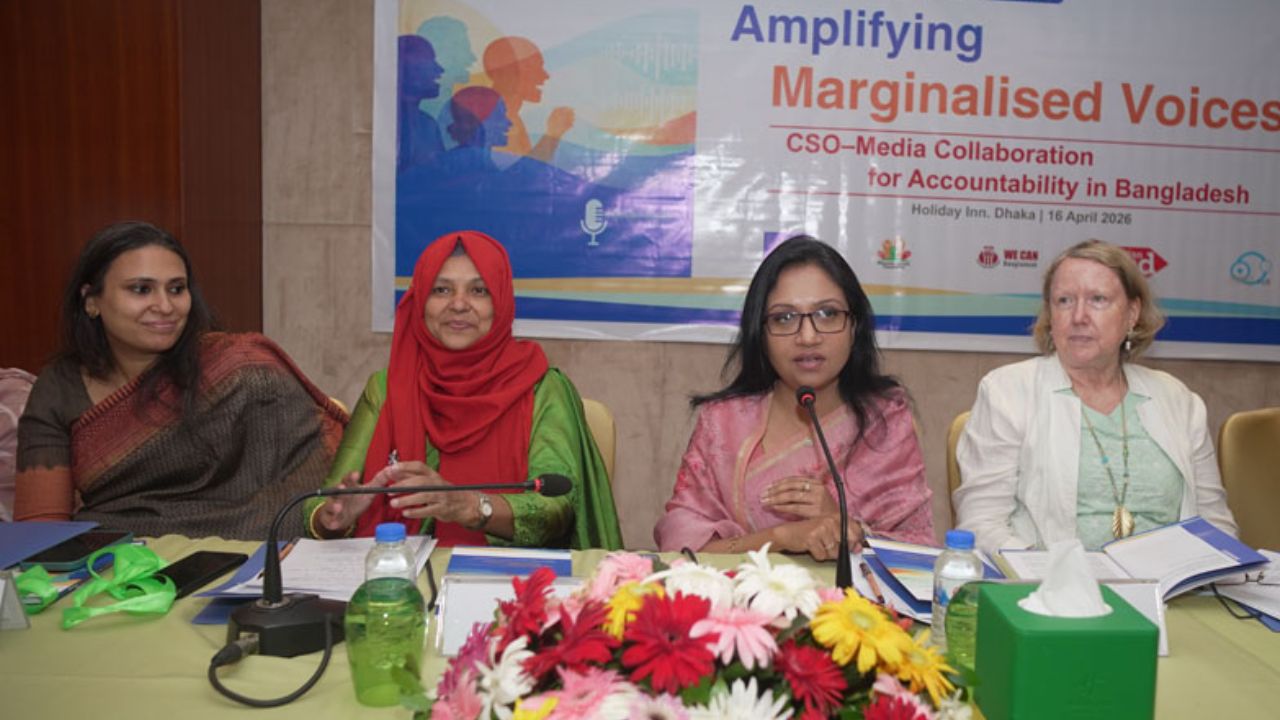



Speakers at a national seminar on Thursday stressed the need for coordinated and structured cooperation between the media and civil society organisations to strengthen the voices and rights of marginalised communities.
They observed that establishing a long-term and sustainable relationship between these two parties is a demand of the time to build a transparent and accountable governance system.
The seminar, organised by the development organisation ‘Somosti’, was held at an auditorium in the capital. The event was conducted under the ‘ECSAP’ project, which is funded by the European Union and supervised by Christian Aid.
Addressing the event as the chief guest, State Minister for Social Welfare Farzana Sharmin stated that there is no alternative to in-depth research to understand the actual conditions of the country’s underprivileged people. She maintained that policy decisions taken on the basis of accurate information can ensure genuine development.

Emphasising the importance of creating a strong bridge between development agencies, civil society, and the media, she said, “The development of marginalised people should not be viewed as mere charity; rather, it must be considered an integral part of sustainable development”.
At the programme, a research paper titled ‘Strengthening Marginalised Voices to Ensure Accountability: Role of Civic Organisations and Media’ was presented.




The report highlighted that the problems of marginalised people currently receive attention in the media only as isolated incidents, which is insufficient to eliminate their structural discrimination.
Furthermore, it noted that the existing relationship between civic organisations and the media is primarily project-based and informal, which prevents it from creating a long-term impact. Resource constraints in information collection and the risks associated with reporting on sensitive issues were also identified as major obstacles.
Taking part in the discussion, Laila Jasmin Banu, Programme Manager of the European Union, urged for ensuring the direct participation of marginalised communities.
Meanwhile, Susan Vize, UNESCO Representative to Bangladesh, remarked that mainstream media must play a more responsible role in maintaining the objectivity of information in the current era of social media.
Experts present at the seminar called for increasing regular dialogue and coordination between the government, media, and development organisations to implement the recommendations of the research. They expressed hope that such collective efforts would play an effective role in securing the rights of marginalised people.