In August 2025, madrasah teacher Mahbubur Rahman from Naogaon received a diagnosis he never expected: breast cancer.
“I could hardly believe it when I heard. I knew men could get breast cancer, as several family members are doctors. But I never imagined it would happen to me,” said the 53-year-old.
Mahbub is not alone. Health experts around the globe have warned that cases of breast cancer among men are rising. This became a new public health concern, especially during Breast Cancer Awareness Month in October. Awareness among men remains low, which could worsen the situation in the coming years.
Mahbub often felt an itch in his right breast. One day, he suddenly noticed a lump that felt like a tumour. After discussing the matter with his family members, he decided to consult a doctor.
He travelled to Dhaka for a medical consultation, where preliminary tests were conducted. A biopsy later confirmed the diagnosis.
“I was too scared to open the report, but eventually, I did. It was cancer,” he recalled.
Mahbub began his treatment at Japan Bangladesh Friendship Hospital in Dhaka, under the supervision of Dr Mostafa Aziz Sumon, head of oncology at Kurmitola General Hospital.
According to Dr Sumon, although there is no precise data on how many men in Bangladesh suffer from breast cancer, he sees two to three male breast cancer patients annually.

WHO’s Global Breast Cancer Initiative reported nearly 670,000 deaths from breast cancer in 2022. Experts estimate that about 1% of breast cancer patients worldwide are male.
Dr Sumon estimated that “25,000 people are diagnosed with breast cancer in Bangladesh every year. According to WHO’s report, approximately 250 should be men.”
“Men do not usually consider the possibility of breast cancer. Most patients seek medical help late because they initially ignore the symptoms. They may think a lump has formed for another reason or that it is harmless. As a result, their cancer is often diagnosed at a critical stage,” Dr Sumon explained.
He emphasised the importance of awareness and timely treatment, which can lead to a full recovery.
Mahbub was diagnosed with stage 2 breast cancer. Following Dr Sumon’s advice, he underwent tumour surgery and now travels regularly to Dhaka for chemotherapy. He has completed four sessions so far and must undergo four more.

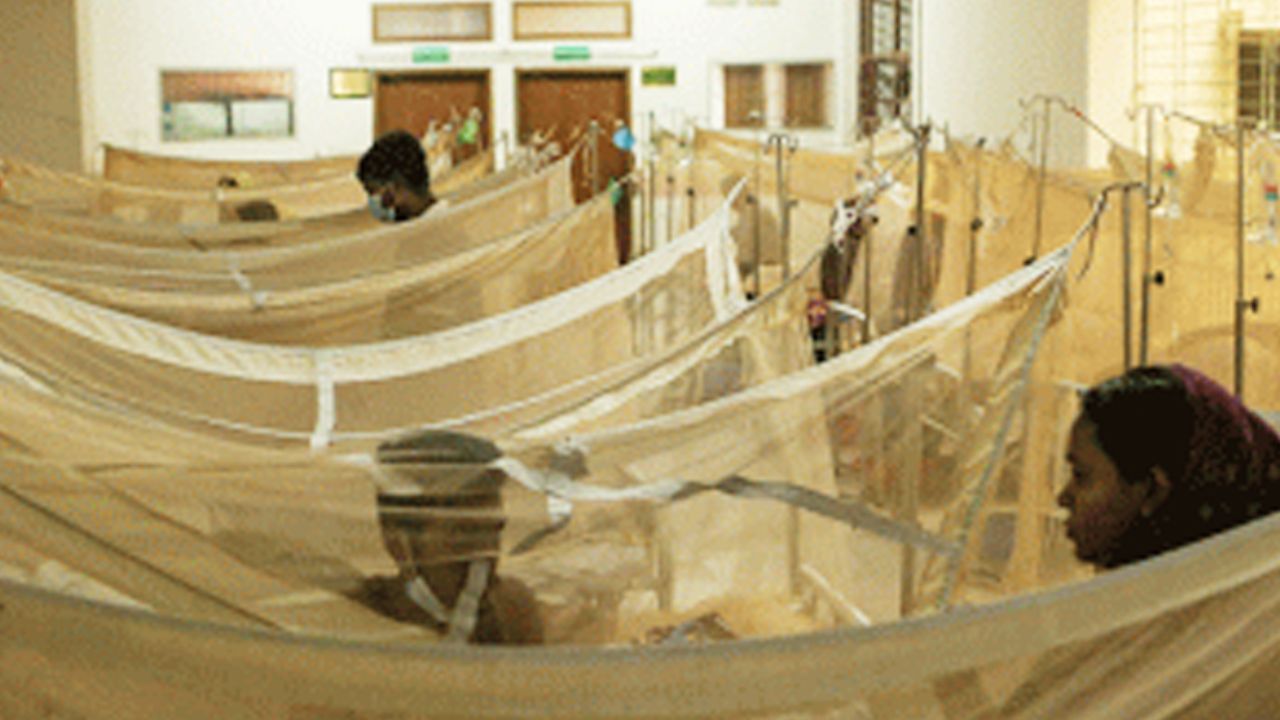
“While going through chemotherapy, I am experiencing many discomforts. I cannot walk properly, I always feel weak and dizzy. I feel physically and mentally unwell all the time,” Mahbub said, describing his condition.
“I cannot do much around the house now. I cannot go to my job, which I loved so much. I cannot even eat properly or taste any food,” he added.
Before his illness, Mahbub tended fruit and flower gardens, which he now manages only occasionally. “It feels like having breast cancer made me lose my identity,” he said.
When Mahbub informed his family in Naogaon about his diagnosis, they reassured him that he would be fine. But at the same time, they were confused and baffled. For many people, even in urban areas, “men” and “breast cancer” are two words that still do not go together.
“I realised they were trying to comfort me, but they were also confused. I was even embarrassed to tell them the details of the diagnosis. It felt like I had no words left to explain,” said Mahbub.
Mahbub’s elder son studies medicine at Rajshahi Medical College, while his younger daughter attends Naogaon Women’s College. He is concerned about their future. At the same time, his family is concerned about him — and the lingering discomfort around the disease remains.
Though his family knows that breast cancer is not a taboo condition, it is still something that people rarely discuss or even consider. Mahbub’s situation highlights how social, cultural and personal factors can make a medical condition difficult to talk about or seek treatment for.
Dr Mostafa Aziz Sumon said awareness must be raised in Bangladesh that men can also develop breast cancer, and that timely treatment can lead to a full recovery. If a man notices a lump in his chest, there is no reason to assume that breast cancer is impossible.
He also warns that the number of male breast cancer patients may increase in the future. One of the main causes of male breast cancer is smoking, Dr Sumon noted.
“Current lifestyle habits — particularly the high consumption of oily and fatty foods — can damage the liver, which in turn may increase the risk of breast cancer in men. The risk is significantly higher among overweight individuals. Genetic factors also play a role,” he added.
Bangladesh lacks comprehensive cancer data, but a study from Bangladesh Medical University titled Cancer Burden: Population-Based Cancer Registry 2025 indicates that 106 people per 100,000 are affected by cancer annually, with 53 new cases per 100,000 each year. Cancer accounts for roughly 12% of deaths nationwide.
The study identified 38 common types, with breast, oral, stomach, respiratory and cervical cancers being the most prevalent. Breast cancer accounts for 16.8 per cent of cases, though male cases are not separately documented.
Professor Habibullah Talukder Raskin, founder of the Bangladesh Breast Cancer Awareness Forum and retired professor at the National Institute of Cancer Research and Hospital, said, “The government has no accurate data on how many men in the country are affected by breast cancer. However, in my 30-year medical career, I have come across around seven to eight male patients diagnosed with breast cancer.”
While WHO estimates that one in every 100 breast cancer patients is male, the cancer specialist says the numbers appear lower in Bangladesh. He believes there may be several reasons for this.
“We do not see such cases in our findings. For various reasons, people may hide it out of embarrassment or seek treatment only in very selective places, which leaves no proper record,” added Professor Raskin.
“There is still no cancer registry in Bangladesh. Only the National Institute of Cancer Research and Hospital has a registry, which I started, and it is still running,” said Professor Raskin. This means the government has no information on patients who do not visit that hospital or who seek treatment elsewhere.
After his most recent chemotherapy session, Mahbubur Rahman has not been feeling well.
“Earlier, I used to feel heat inside my body, but after several sessions of chemotherapy, I hardly feel any warmth in my body. My body feels unusually cold,” Mahbub said.
He added, “Please pray for me. I want to recover, take responsibility for my family and go back to my usual life.”