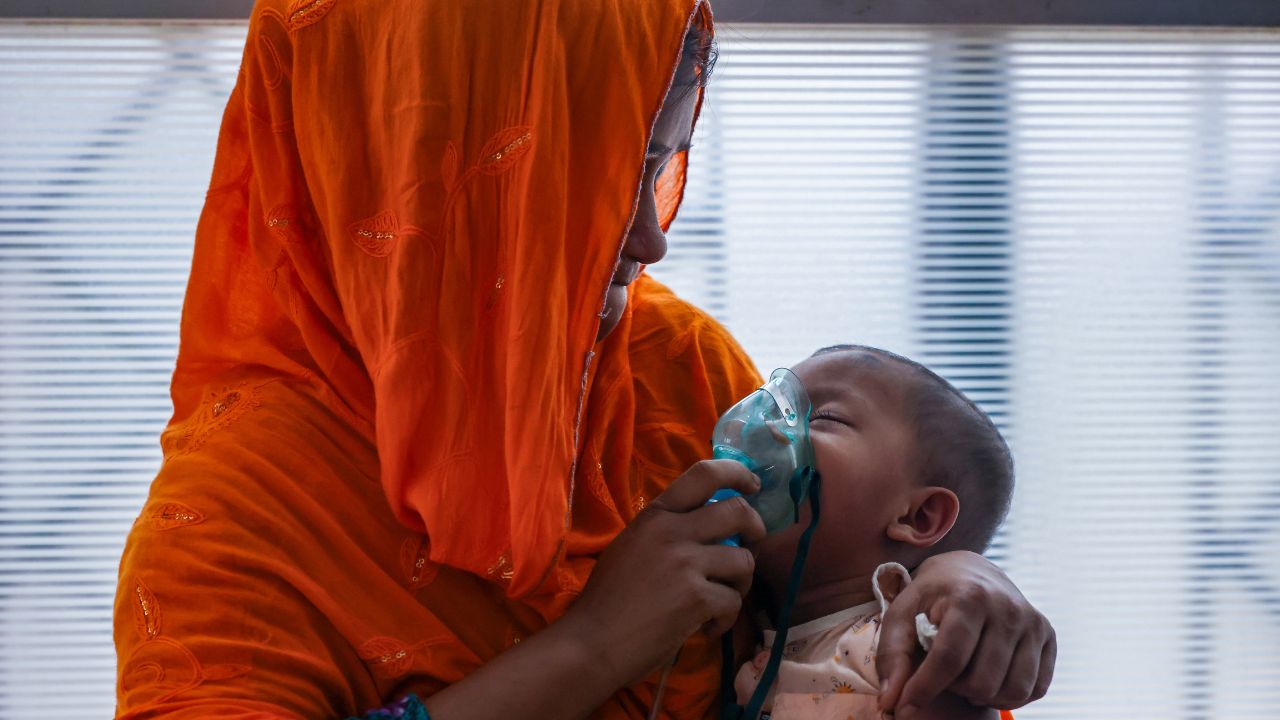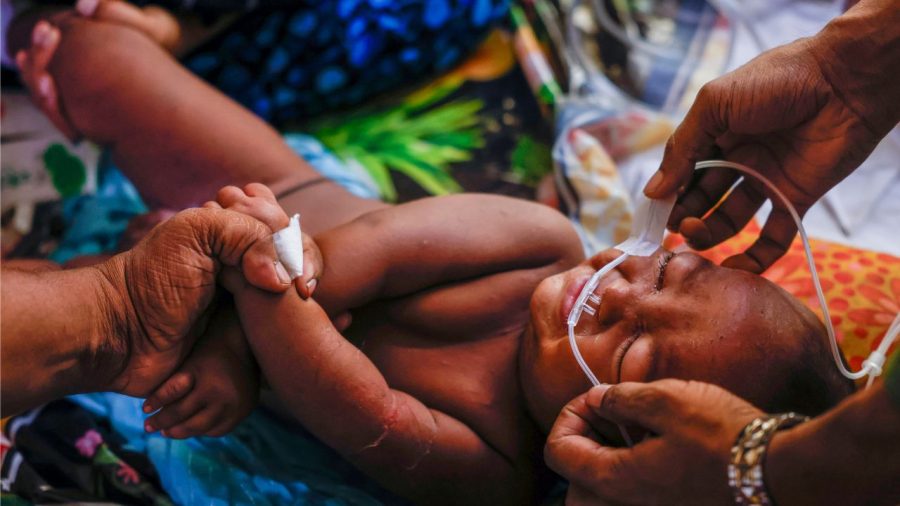

Sylhet has recorded the highest measles case-to-death ratio among Bangladesh’s eight divisions, while Chattogram has the lowest, according to Directorate General of Health Services (DGHS) data, highlighting wide regional disparities in measles mortality.
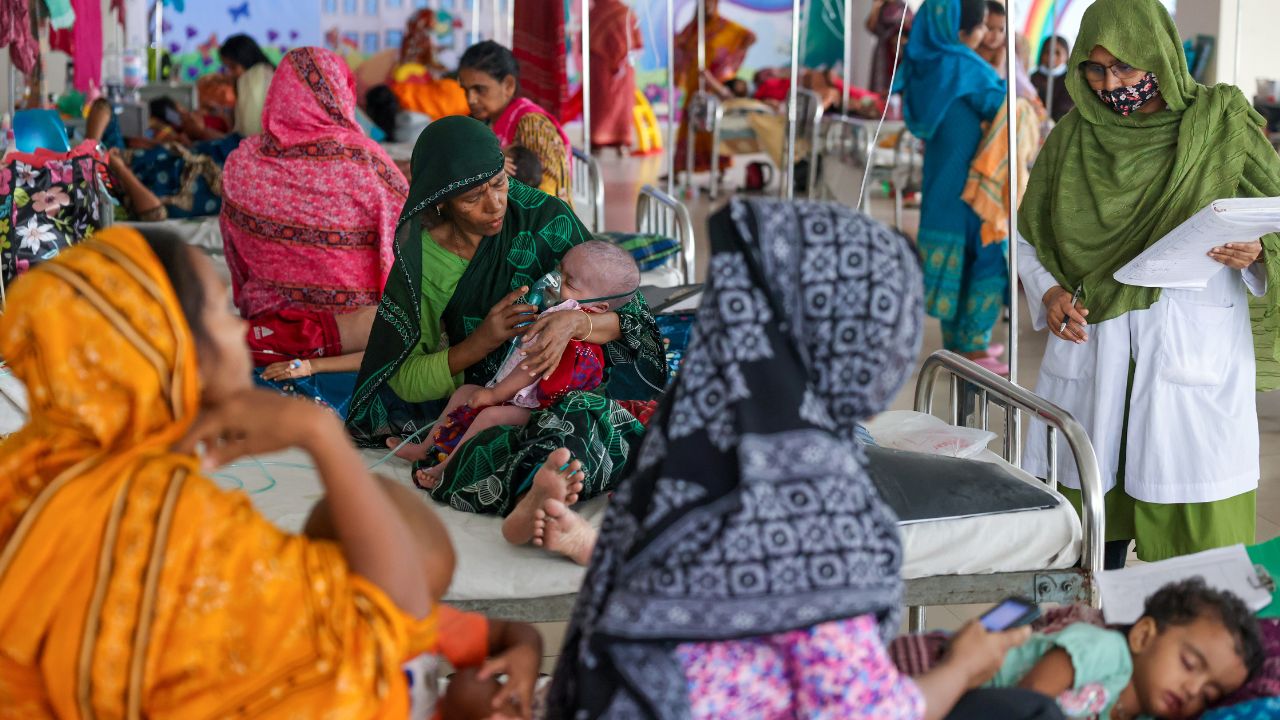
Health experts said delayed hospitalisation, differences in treatment capacity, shortages of manpower and equipment and limited access to healthcare could be contributing to the wide regional gap in measles deaths.
From 15 March to Tuesday, Bangladesh recorded 999 measles-related deaths among 186,296 cases, giving a national case-to-death ratio of 0.54 per cent, or roughly one death for every 186 cases.
The ratio, however, varied significantly among divisions.
Sylhet recorded the highest ratio at 1.20 per cent, with 159 deaths among 13,237 cases, meaning roughly one death for every 83 reported cases.
Mymensingh recorded the second-highest ratio at 0.88 per cent, with 77 deaths among 8,778 cases, followed by Rajshahi at 0.84 per cent, with 95 deaths among 11,374 cases.
In contrast, Chattogram recorded the lowest ratio at 0.21 per cent, with 75 deaths among 35,427 cases, or approximately one death for every 472 reported cases.

Dhaka recorded the highest number of cases and deaths, with 466 deaths among 83,737 cases. However, its case-to-death ratio was lower at 0.56 per cent.
Khulna recorded a ratio of 0.33 per cent, while Rangpur and Barishal both recorded around 0.40 per cent.
Asked why some divisions had higher death ratios, Prof Halimur Rashid, DGHS director (disease control), said authorities had not identified specific reasons.
“There should be a death review system in every hospital. They are supposed to conduct this review. It is not possible to conduct a death review of every disease from the central level,” he said.
Health experts said differences in access to timely treatment could partly explain the regional variation.


Mushtuq Husain, former chief scientific officer at the Institute of Epidemiology, Disease Control and Research (IEDCR), said Dhaka’s lower ratio could be linked to better access to specialised healthcare.
“Both the government’s attention and resources are more concentrated in hospitals here,” he told TIMES.
Outside Dhaka, patients may reach hospitals after their condition has worsened, while healthcare facilities often face greater resource constraints, he said.
Meanwhile, the government said the ongoing Measles-Rubella Campaign 2026 has exceeded its vaccination target.
The campaign aimed to vaccinate 18,015,064 people, but 19,740,254 people have received the vaccine so far, reaching 109.6 per cent of the target.
In city corporation areas, coverage reached 108.6 per cent, with 2,069,217 people vaccinated against the target of 1,905,950.
However, authorities said many children currently contracting measles had missed routine vaccination due to a lack of awareness, being away from home or families not considering immunisation necessary.
Researchers also identified malnutrition as a major risk factor among children affected by measles.
A joint study by Bangladesh Shishu Hospital and Institute and icddr,b found that 12 per cent of affected children suffered from severe acute malnutrition, while 53 per cent had moderate malnutrition. Overall, 65 per cent had some form of malnutrition.
The study also found that 38 per cent of children with measles had not received exclusive breastfeeding during the first six months after birth. Among children who died, 82 per cent had not received exclusive breastfeeding.
“When children receive less or no breast milk, their immunity does not develop quickly. Instead, it progresses at a slower pace,” Professor Abu Torab Md Abdur Rahim of Dhaka University’s Institute of Nutrition and Food Science told TIMES.
He said poor nutrition creates a cycle of vulnerability, particularly among low-income families, affecting children’s ability to fight infections.
Public health experts also questioned the timing of the vaccination campaign.
Professor Benazir Ahmed, former DGHS disease control director, said the campaign lacked adequate preparation and awareness efforts.
“The main issue is that we did not develop the herd immunity we were targeting. Now transmission has become widespread, affecting different age groups, including children below nine months and older people,” he said.
Mohammad Zakir Hossain, former senior WHO official at its South-East Asia Regional Office, said delays in the vaccination campaign and a disruption in field-level immunisation contributed to the outbreak.
“One of the reasons is that those who provide vaccines in the field health system did not vaccinate for one and a half months,” he told TIMES.
He said the campaign planned for September 2025 was delayed three times.
“If this campaign had been held in September 2025, then this situation would not have happened in January 2026,” he said.