Bangladesh’s balance of payments returned to surplus in the early months of FY26, but the improvement masks mounting structural pressures as a widening trade deficit and rising debt-service costs were offset mainly by foreign borrowing and record remittance inflows, Bangladesh Bank data show.
The apparent stabilisation contrasts sharply with underlying flows. During July–October, the trade deficit widened to $7.57 billion from $6.68 billion a year earlier as imports outpaced exports.
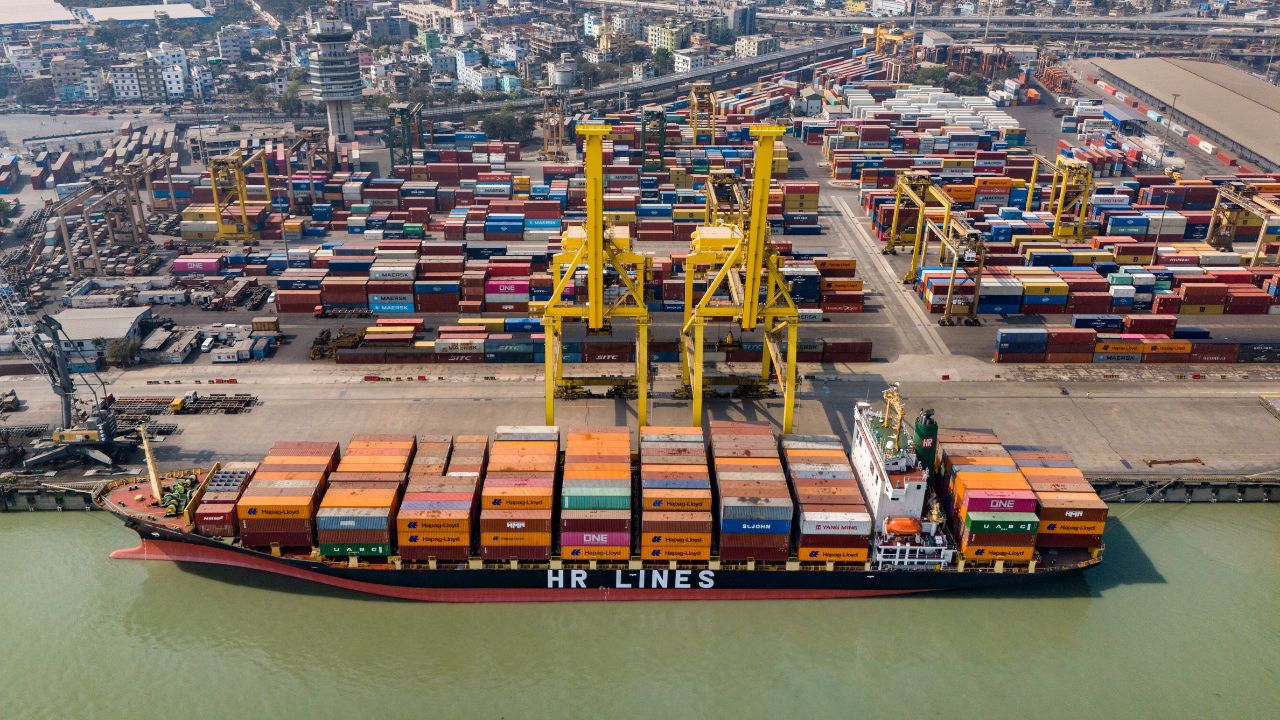
Import payments rose 5.5 per cent year-on-year to $22.11 billion, reflecting sustained demand for fuel, industrial inputs and consumer goods amid easing trade restrictions and elevated global prices.
Export growth remained modest. Shipments increased just 1.8 per cent to $14.54 billion over the four months, with readymade garments contributing more than $12.9 billion. The limited pickup failed to narrow the trade gap, underscoring continued dependence on imports.

That imbalance spilled into the current account, which stayed in deficit at $749 million. Higher import bills were compounded by persistent outflows on services and income, keeping the external position under strain despite strong transfers.
Remittances provided the single largest buffer. Inflows from overseas workers surged 13.5 per cent to $10.15 billion in July–October, supported by tighter controls on informal hundi channels, a relatively competitive exchange rate and seasonal inflows.



Economists said the current account shortfall would have been significantly larger without this support—highlighting how vulnerable the balance remains to any slowdown in remittance growth.
Services continued to weigh heavily on the accounts. Net services payments widened to about $1.96 billion as spending on travel, transportation, education, healthcare and business services abroad increased, reflecting both household pressures from a weaker taka and structural gaps in domestic service provision.
Pressure also intensified on the income account. Rising global interest rates lifted external debt-servicing costs, pushing the primary income deficit to $1.27 billion from $1.1 billion a year earlier. Of this, $698 million went toward official interest payments on foreign loans, amplifying concerns about rigidity in outflows and exposure to global rate shocks.
Despite these weak flow indicators, the overall balance of payments turned positive due to a sharp rebound in the financial account—the quality of financing being the decisive factor. The financial account posted a surplus of $2.17 billion, reversing a $499 million deficit a year earlier.
Medium- and long-term foreign loan inflows jumped more than 53 per cent to $1.55 billion, while foreign direct investment edged up to $445 million. Portfolio investment remained negative, signalling continued caution among foreign investors.
The surplus lifted reserves. Gross official reserves rose to $32.34 billion, while IMF BPM6 reserves increased to $27.58 billion, equivalent to nearly five months of import cover.
Analysts warned that the current configuration leaves Bangladesh exposed to external shocks. Without faster export diversification, stronger non-debt investment inflows and tighter fiscal and monetary coordination, they said, reliance on borrowing and remittances could prove insufficient to absorb volatility from global interest rates, commodity prices and capital flows in the quarters ahead.