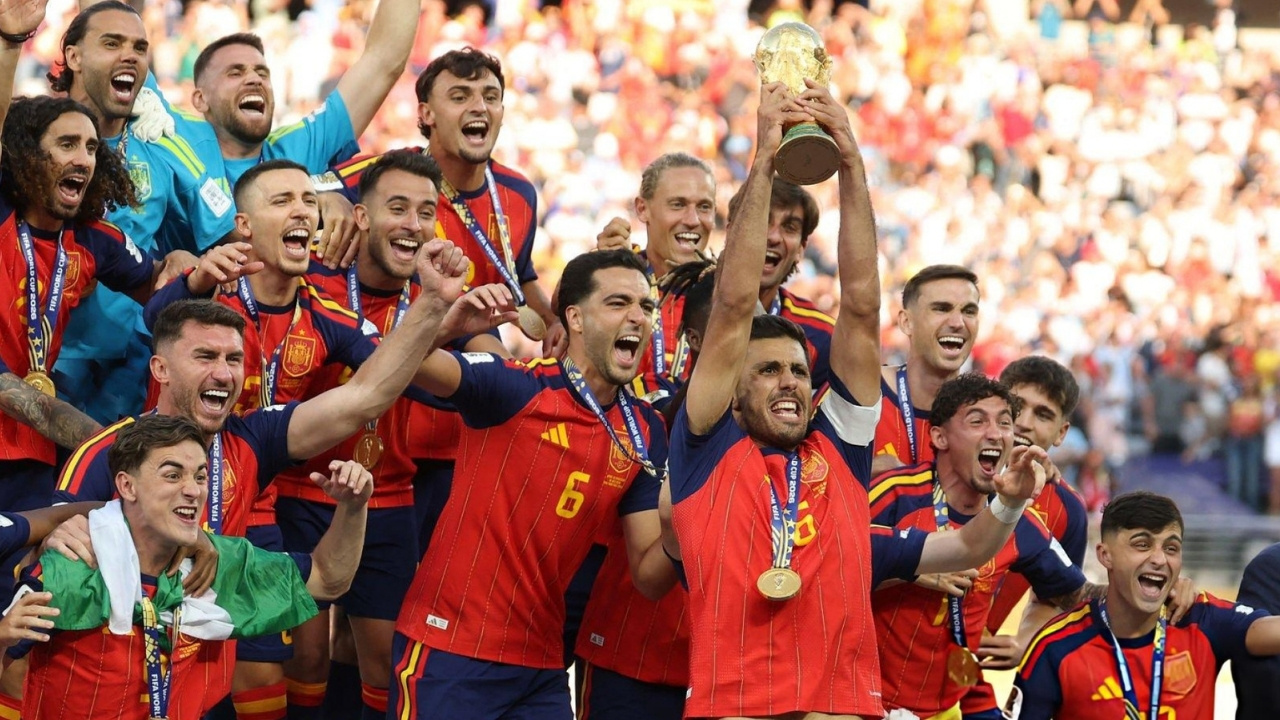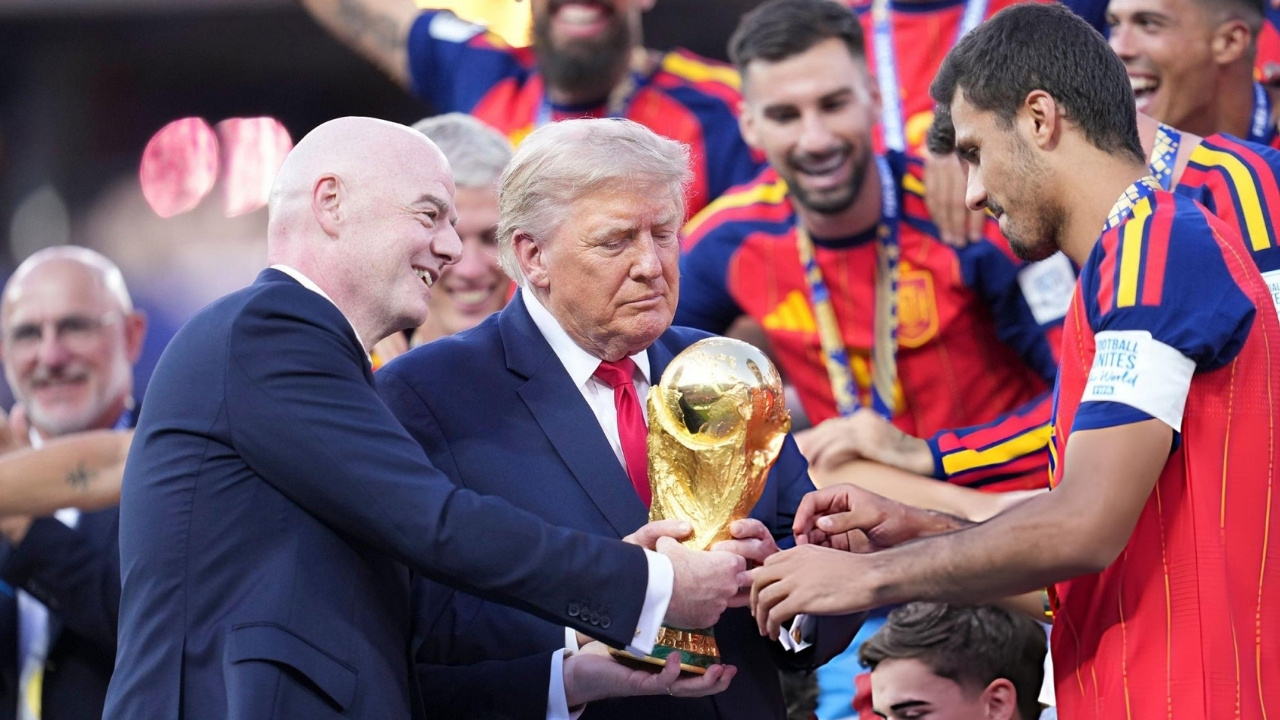



United States President Donald Trump presented the World Cup trophy to Spain on Monday, declaring that the tournament had proven the United States to be a “soccer country,” even as boos rang out from the stands when he and FIFA president Gianni Infantino walked onto the pitch for the trophy ceremony.
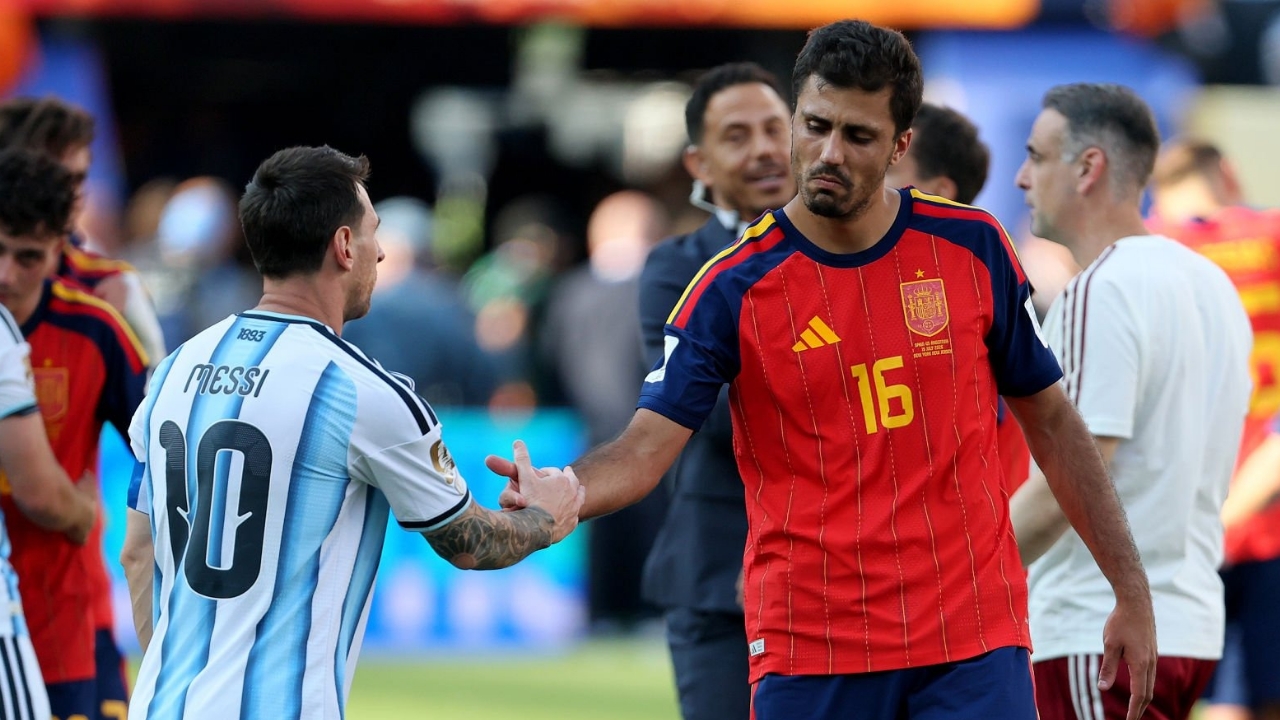
“It turned out we were a soccer country, and I think it’s going to remain,” Trump said at a FIFA reception at Trump Tower on Friday (17 July), ahead of the final. “This has really brought the world together.” Spain beat defending champions Argentina 1-0 to win the title, with the boos dying down once Trump and Infantino moved on to presenting players and coaches with their medals, before the trophy itself was handed over.
Trump, who arrived at MetLife Stadium by helicopter, remained on the podium with the Spanish squad and was invited to the side as captain Rodri prepared to lift the trophy in front of a wall of photographers. He had earlier been given a close look at the trophy in his box seat during the first half, smiling and patting it as it was held up to him, with First Lady Melania Trump and Infantino also present.

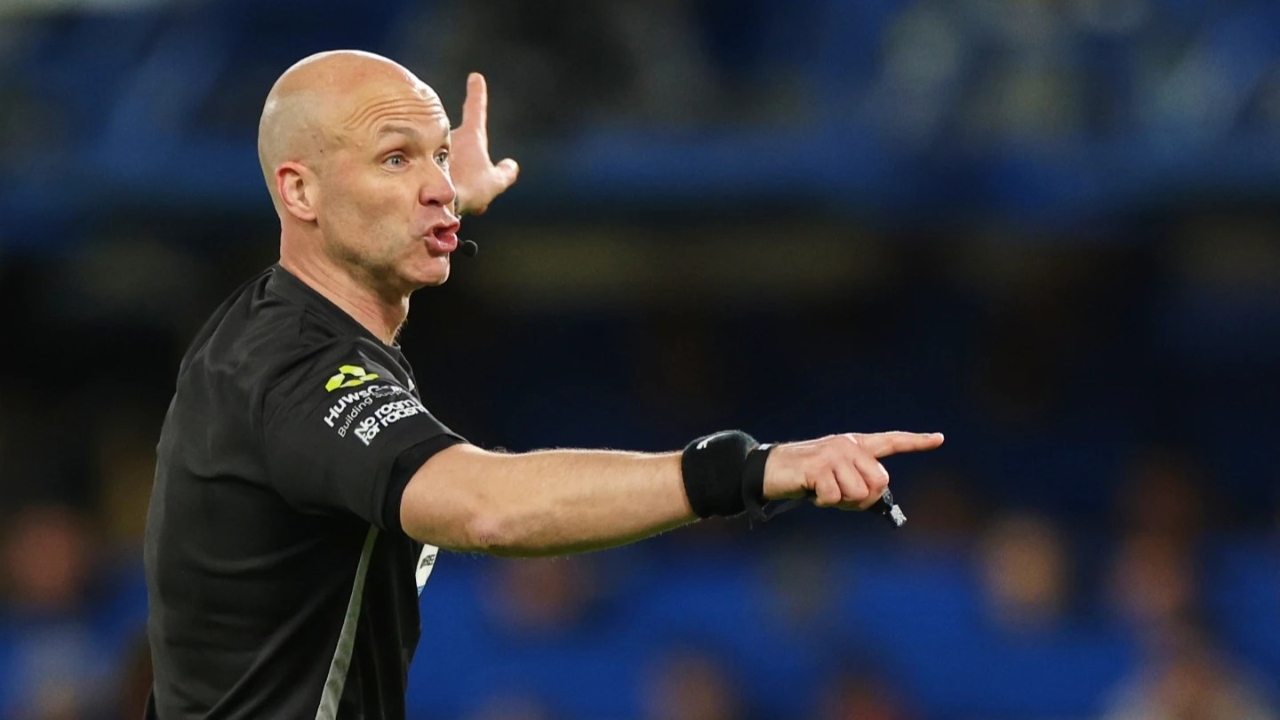
The final capped more than a year of logistical planning for the United States, Canada and Mexico as co-hosts of the largest World Cup in history, a build up shadowed by controversy over the Trump administration’s immigration restrictions on fans from some qualifying countries. The administration faced criticism from human rights groups and backlash over high ticket prices, while Trump repeatedly floated moving matches out of cities that declined to cooperate with federal immigration authorities. Tensions were further heightened when the United States denied entry to a Somali referee ahead of the tournament, and after Trump’s administration launched military action against Iran, leaving Iran’s team, along with barred supporters and staff, based across the border in Tijuana.
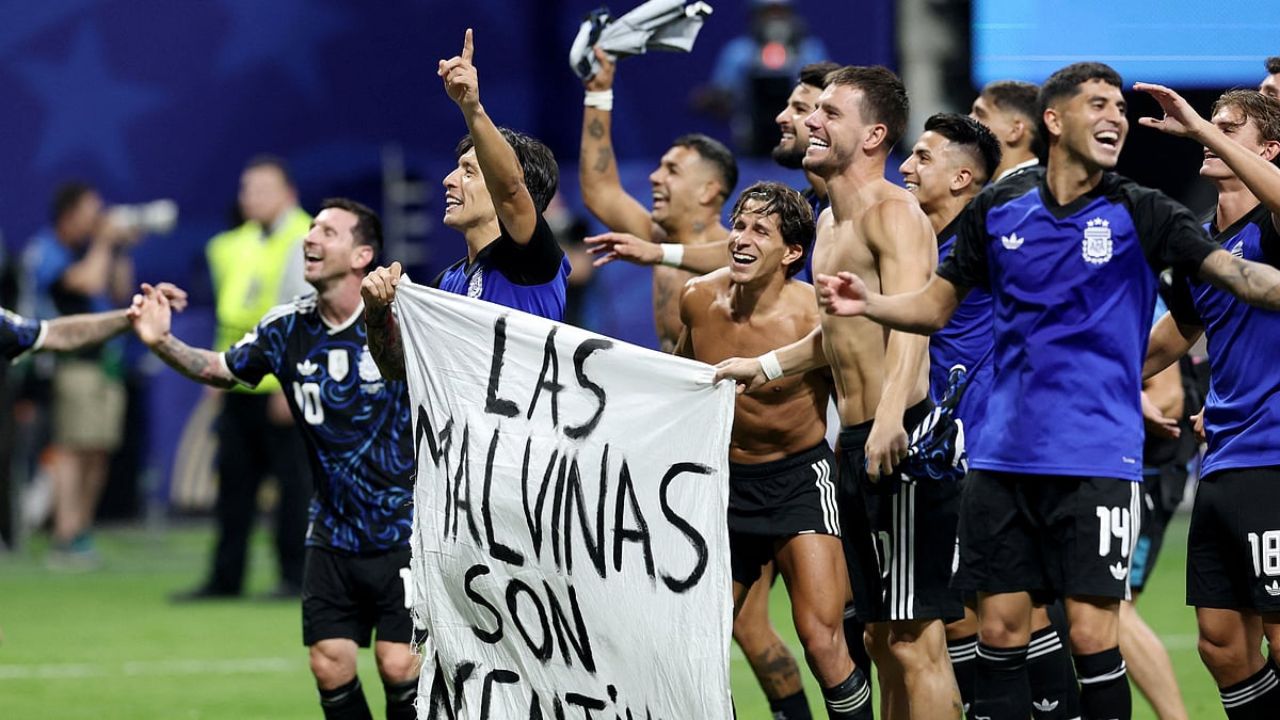
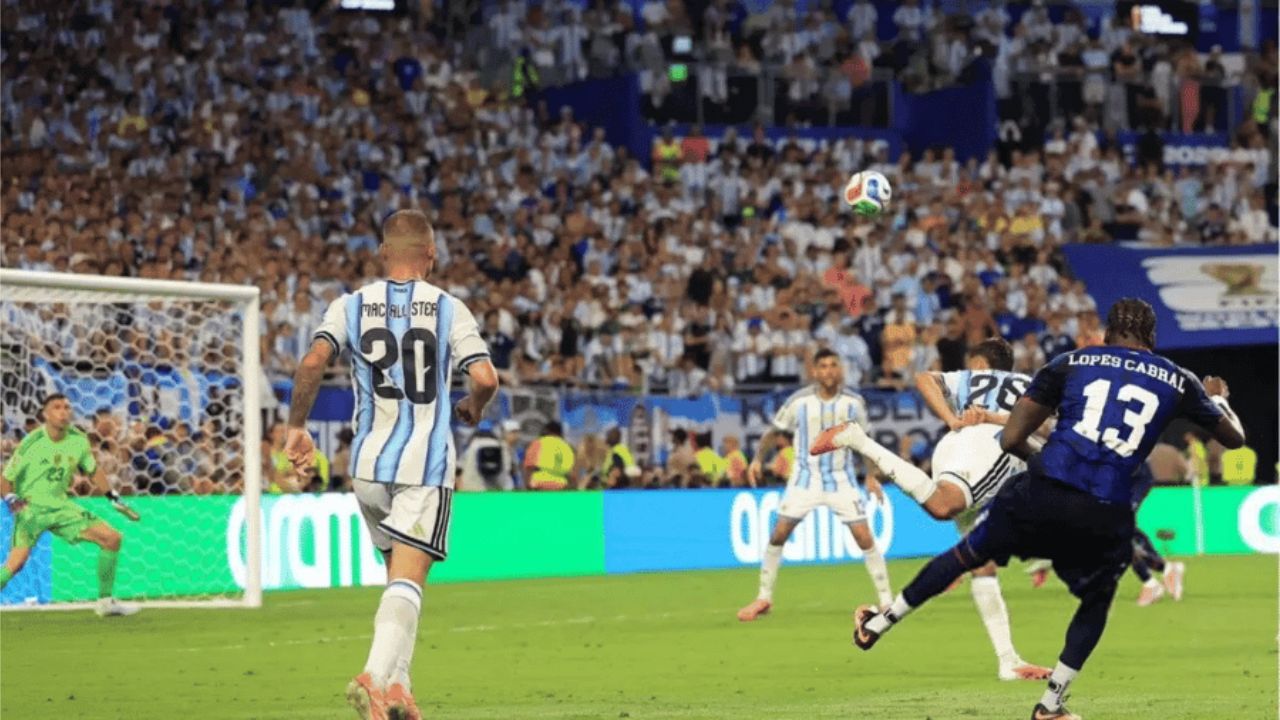
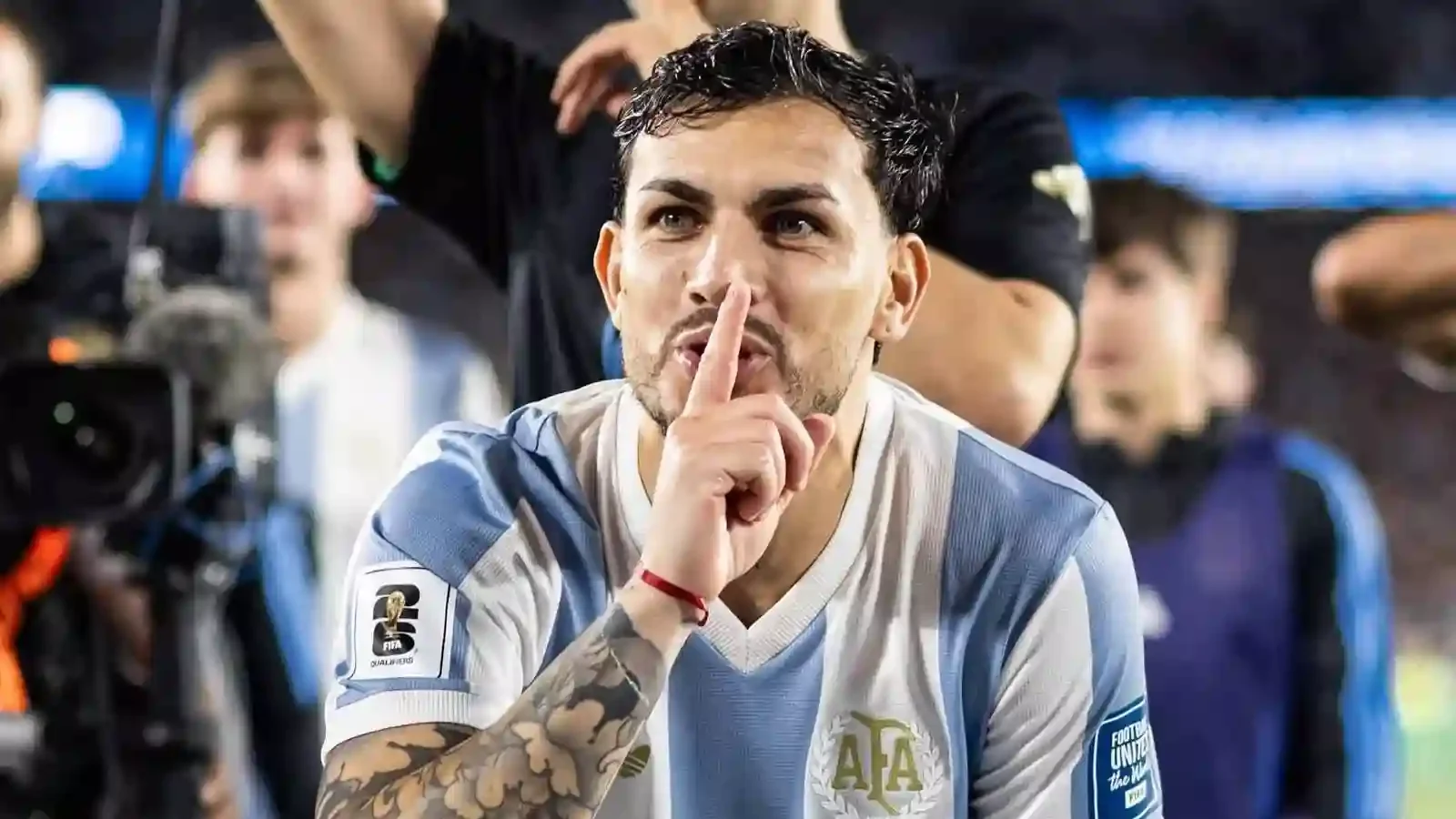
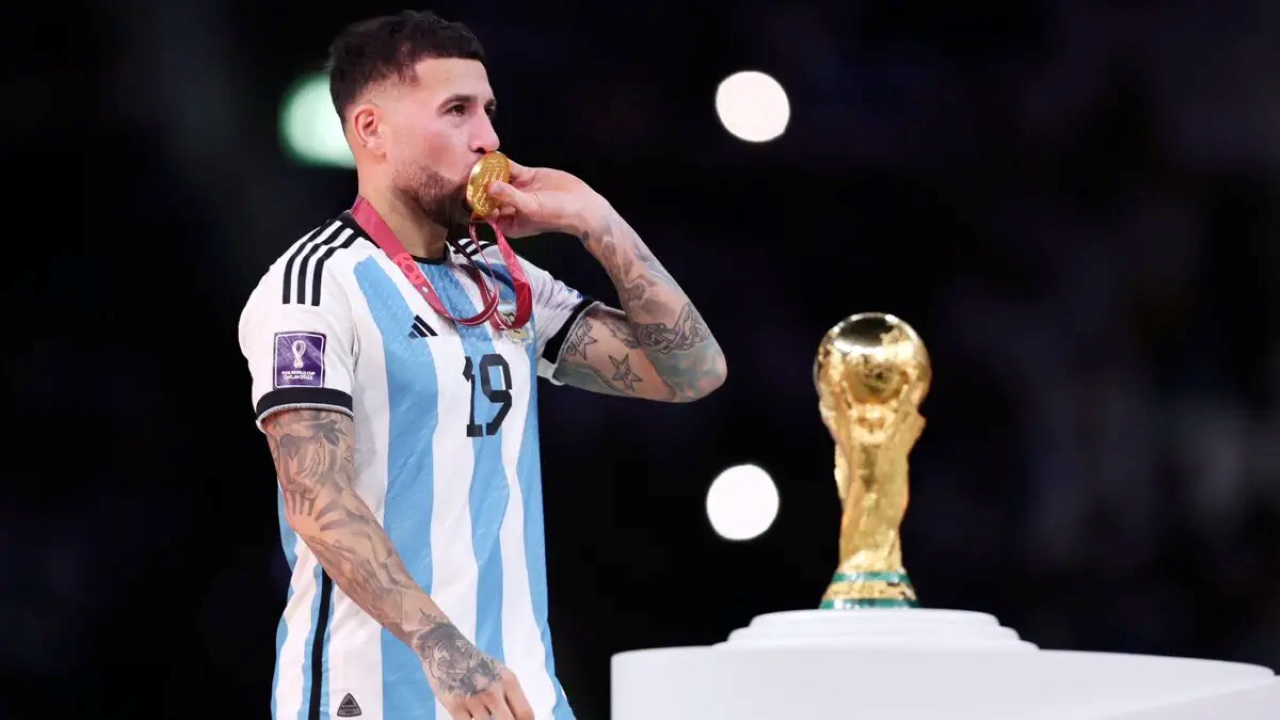
Even so, the broader narrative of the tournament shifted as it progressed, with social media filled with accounts of international fans enjoying American culture, and many of the feared disruptions, including immigration raids near stadiums, failing to materialise. “One of the things that we talked about beforehand was, if we’re talking about what happened on the pitch, then we’ve done our job,” said Andrew Giuliani, executive director of the White House FIFA Task Force. “But I think it’s even better than that. We’re not just talking about only the incredible athletic feats on the pitch, but all these incredible cultural moments.”
Trump was at the centre of the tournament’s biggest controversy after phoning Infantino to request a review of a red card shown to United States forward Folarin Balogun during a group stage match against Bosnia and Herzegovina. Balogun’s one match ban was subsequently suspended, allowing him to play in the last 16 defeat to Belgium, a decision Trump later praised Infantino for at Friday’s reception.
Before kickoff, Trump had already used a Fox Sports appearance to push for the United States to host the tournament again. “I had a great idea for Gianni: you have to do two countries. Announce us again next time, and then announce another country after that. It’ll take out some of the anger and the shock,” he said. “Based on the numbers, we will be requesting it again immediately.” He declined to publicly back either finalist, saying only that it would be difficult to bet against Argentina’s Lionel Messi.
Despite Trump’s public friction with both World Cup co-hosts, having imposed tariffs on Canada and Mexico and declined to renew the trilateral trade pact between the three countries, Mexican President Claudia Sheinbaum and Canadian Prime Minister Mark Carney both attended the final at his invitation. Spain’s King Felipe VI, Queen Letizia and Prime Minister Pedro Sanchez were also present, while Argentine President Javier Milei, an ally of the Trump administration, stayed away, citing superstition.