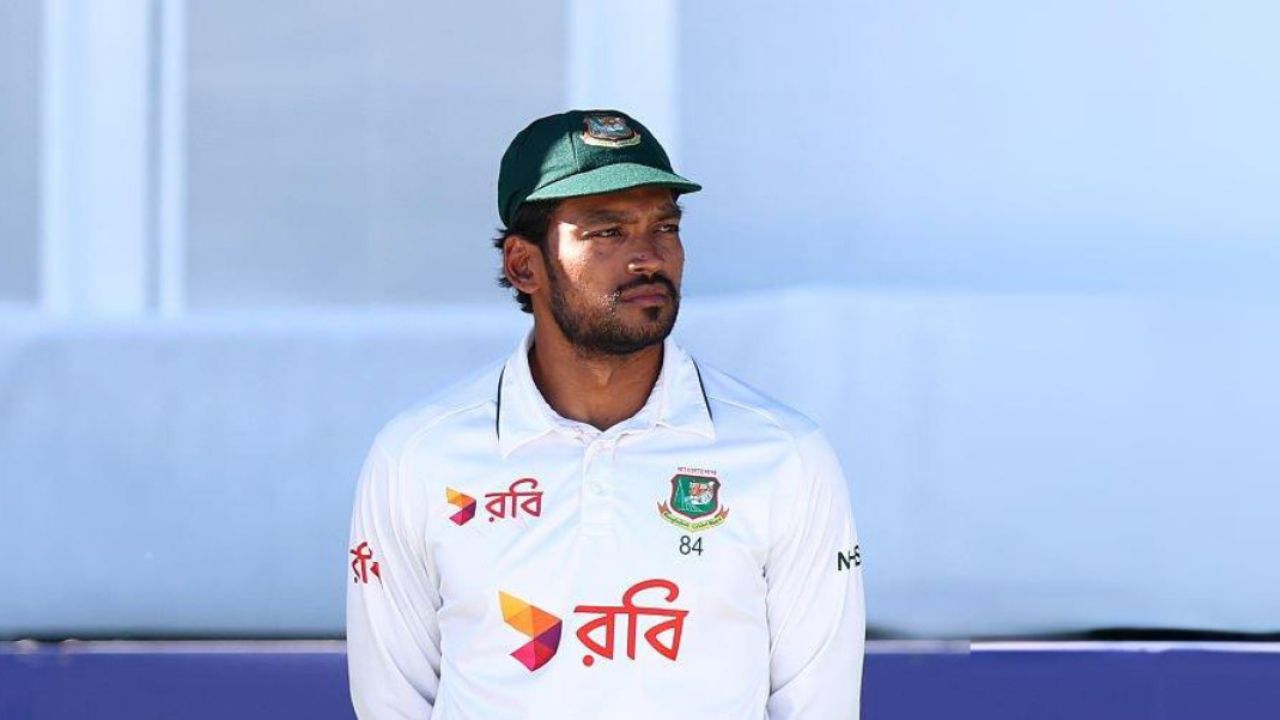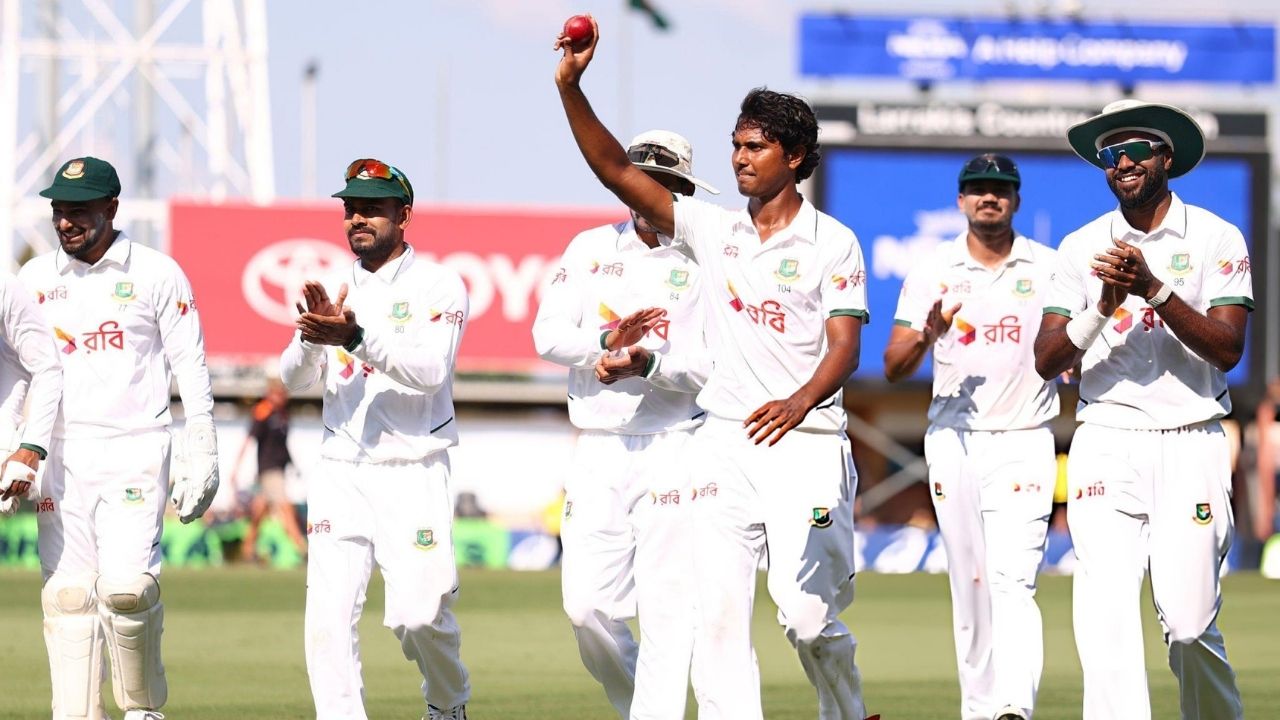



For years, Bangladesh’s Test bowling attack was built around spin. Fast bowlers were often used as support rather than the main source of wickets, particularly in the longer format. That picture has gradually changed, and the first innings of the Darwin Test offered another clear indication of the shift.
Bangladesh’s pacers took all 10 Australian wickets in the opening innings, repeating a feat they first achieved in Test cricket against Pakistan in Rawalpindi in 2024. Hasan Mahmud led the attack with career-best figures of 6-55, while the pace unit continued to trouble Australia’s batters on a green-tinged surface.
The performance was particularly notable because Bangladesh were without Nahid Rana and Shoriful Islam through injury. Despite those absences, the attack maintained enough discipline and variety to dismiss Australia for 198. Hasan’s six wickets were the foundation, with the other pacers sharing the remaining breakthroughs.

The development of Bangladesh’s pace bowling has not happened overnight. Taskin Ahmed’s return to Test cricket, Hasan’s emergence and the arrival of Nahid Rana have given the team more options in conditions where pace and seam can play a bigger role. In Pakistan in 2024, Hasan, Nahid and Taskin combined to take all 10 wickets in an innings for the first time in Bangladesh’s Test history.


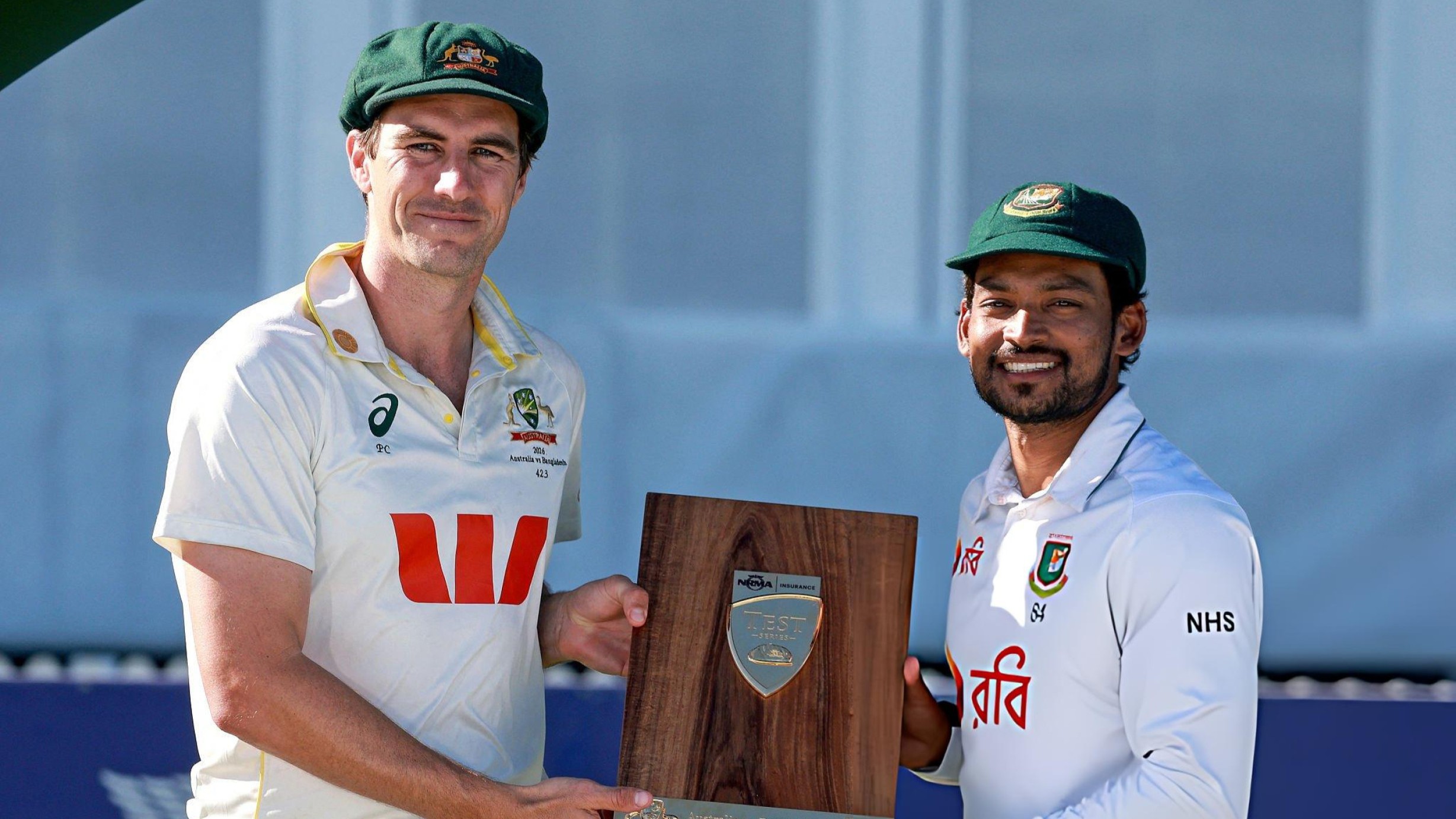
For Shanto, the change is as much about attitude towards Test cricket as it is about bowling ability.
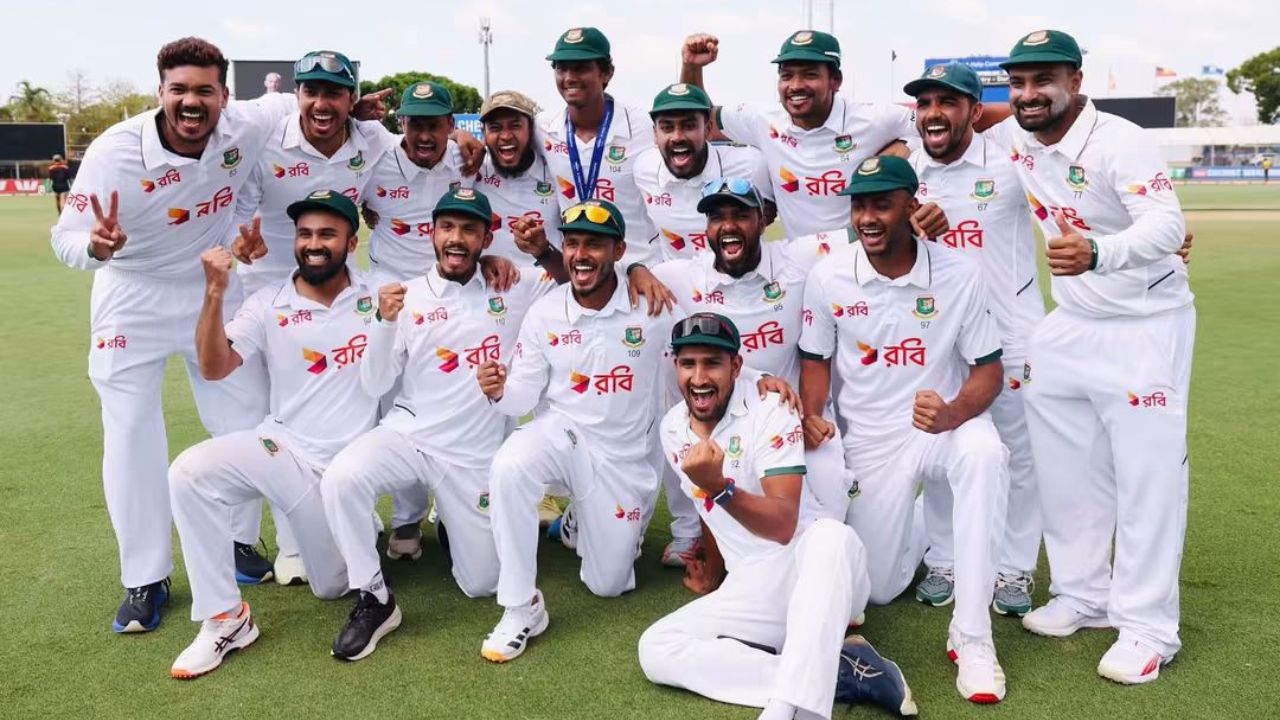
“Yeah, obviously, I think that is the biggest change in Bangladesh cricket in Test format. Normally, five-six years before, the best bowlers didn’t want to play Test cricket because we didn’t have enough chance to play Test cricket,” Shanto said after Bangladesh’s nine-wicket victory over Australia.
“But last two-three years we have been playing a lot of Test matches and the boys are giving importance to the Test format. So they now want to play and they want to perform because they want to be world class.”