


The Bangladesh High Commission in New Delhi observed Martyrs’ Day and International Mother Language Day in a unique and inclusive manner this year, bringing together more than 60 ambassadors from different countries to celebrate linguistic diversity and the spirit of the Bangla Language Movement.
To mark the occasion, Bangladesh High Commissioner Riaz Hamidullah reached out to around 150 ambassadors based in New Delhi, inviting them to share a favourite stanza, poem, song lyric or quotation from their own language in their own handwriting. More than 60 ambassadors responded enthusiastically, expressing their thoughts and cultural heritage through handwritten messages.
The Bangladesh High Commission compiled the handwritten cards into individual video clips of over 60 and shared them with the respective ambassadors, requesting them to post the videos on social media platforms such as X, Facebook and Instagram with personal messages reflecting the importance of mother languages and cultural diversity.
High Commissioner Riaz Hamidullah said the initiative aimed to make the observance more inclusive and globally relevant. “I always want to celebrate Martyrs’ Day and International Mother Language Day with everyone, irrespective of language, culture and ethnicity. I wrote to 150 ambassadors with a request to celebrate the event jointly,” he said.

Joining 60+ Envoys in India on #InternationalMotherLanguageDay, Amb. of 🇺🇦Ukraine to India Dr. Oleksandr Polishchuk shared a favourite excerpt from “Kavkaz” by Taras Shevchenko — “the Great Kobzar”, a key figure in Ukraine’s literature, culture, and identity.
Grateful for the… pic.twitter.com/WYWKtbdap3
— Ukraine in India (@UkrembInd) February 21, 2026



According to the High Commissioner, participating diplomats were requested to write a stanza, poem or lyric in their native language along with an English translation. These were later turned into individual video clips and returned to the ambassadors for public sharing.
“I received a very encouraging response,” he said. “One example I can share is the Ambassador of Ukraine, who was deeply moved by the initiative. He wrote an excerpt from “Kavkaz” by Taras Shevchenko, a major figure in Ukrainian literature and identity. He later translated the lines into Bengali and shared them on his X account.”
The Ambassador of Nepal also shared his message on social media even before February 21, demonstrating the level of engagement among the diplomatic community, he added.
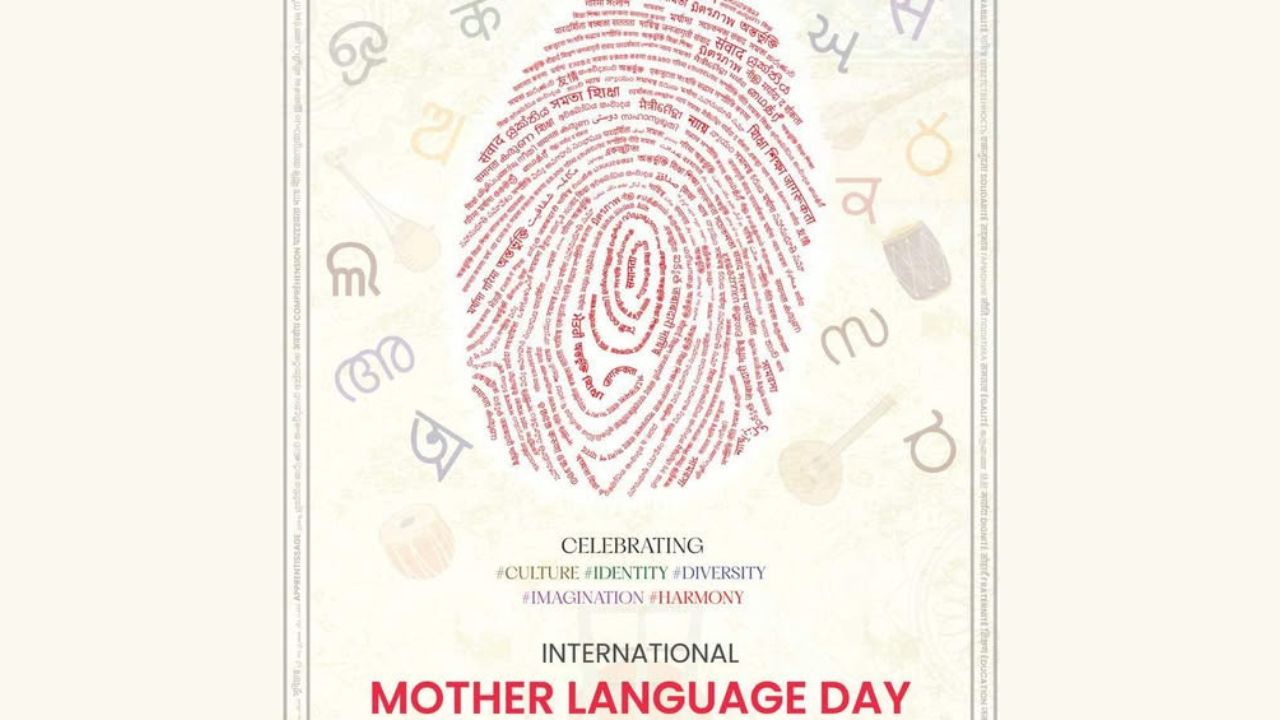
In a special poster released on the occasion, the Bangladesh High Commission stated: “Come every February, #Bangladesh remembers Bangla (as our own mother tongue) as also everyone else’s. Everywhere.”
International Mother Language Day is observed worldwide on February 21 to promote linguistic and cultural diversity and multilingualism. The day originated from Bangladesh’s historic Language Movement and was proclaimed by UNESCO in 1999 and has been celebrated internationally since 2000.
The observance reflects Bangladesh’s historic contribution to the global recognition of linguistic rights and cultural diversity. In multicultural societies, a mother tongue represents identity and cultural heritage, making the preservation of languages essential for dignity and mutual respect among peoples.
Ambassadors from a wide range of countries participated in the initiative, including Armenia, Australia, Austria, Azerbaijan, Belarus, Bhutan, Britain, Brunei, Bulgaria, Burundi, Cambodia, Chile, China, Colombia, Cyprus, the Czech Republic, Ecuador, Estonia, the European Union, Fiji, Georgia, Germany, Greece, Guatemala, Hungary, Indonesia, Ireland, Iraq, Jamaica, Jordan, Kyrgyzstan, Latvia, Lebanon, Libya, Lithuania, Mali, Mexico, Moldova, Mongolia, Nepal, Norway, Oman, Palestine, Panama, Peru, Poland, the Republic of Korea, Romania, Russia, Slovenia, Spain, Sri Lanka, Sweden, Syria, Tajikistan, Tunisia, Türkiye, Ukraine, Uruguay and Venezuela.
Diplomatic observers described the initiative as a creative example of cultural diplomacy, highlighting Bangladesh’s leadership role in promoting linguistic diversity and strengthening international cultural connections through the spirit of Ekushey.