The United States and Iran are moving closer to a potential military confrontation as diplomatic efforts over Tehran’s nuclear programme falter and Washington expands its military presence in the region, officials and diplomats say.
Regional sources, including Gulf and European officials, say the likelihood of conflict now outweighs that of a negotiated settlement. The scale of the US deployment is described as one of the largest in the Middle East since the 2003 invasion of Iraq, says Reuters.
Israel believes talks have reached an impasse. A source familiar with planning said its government is preparing for possible joint action with Washington, although no final decision has been taken. It would follow US and Israeli airstrikes on Iranian military and nuclear facilities last June, the second such operation in under a year.
Oil-producing Gulf states are preparing for potential fallout, fearing any confrontation could spiral and destabilise the region. Rising tensions have already pushed up oil prices.
Two Israeli officials said they see the gaps between Washington and Tehran as unbridgeable and assess the risk of near-term escalation as high.

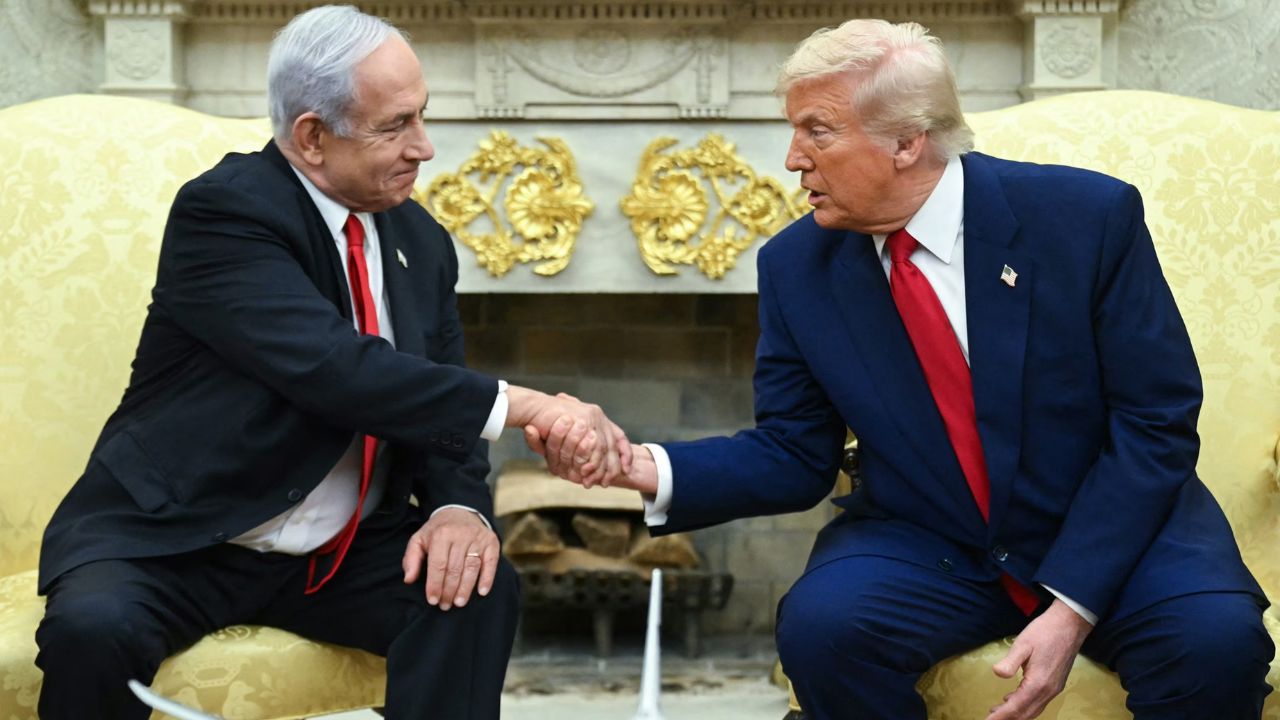
At the centre of the crisis is US President Donald Trump, who has dispatched aircraft carriers, warships and fighter jets to the region. Regional officials say Tehran may be misjudging his position, arguing that Trump has boxed himself in by assembling a large force that would be politically difficult to withdraw without securing significant concessions.
“Both sides are sticking to their guns,” said Alan Eyre, a former US diplomat and Iran specialist. He said no meaningful progress was likely unless both sides retreated from core demands. “If he attacks, it’s going to get ugly quickly,” Eyre added.
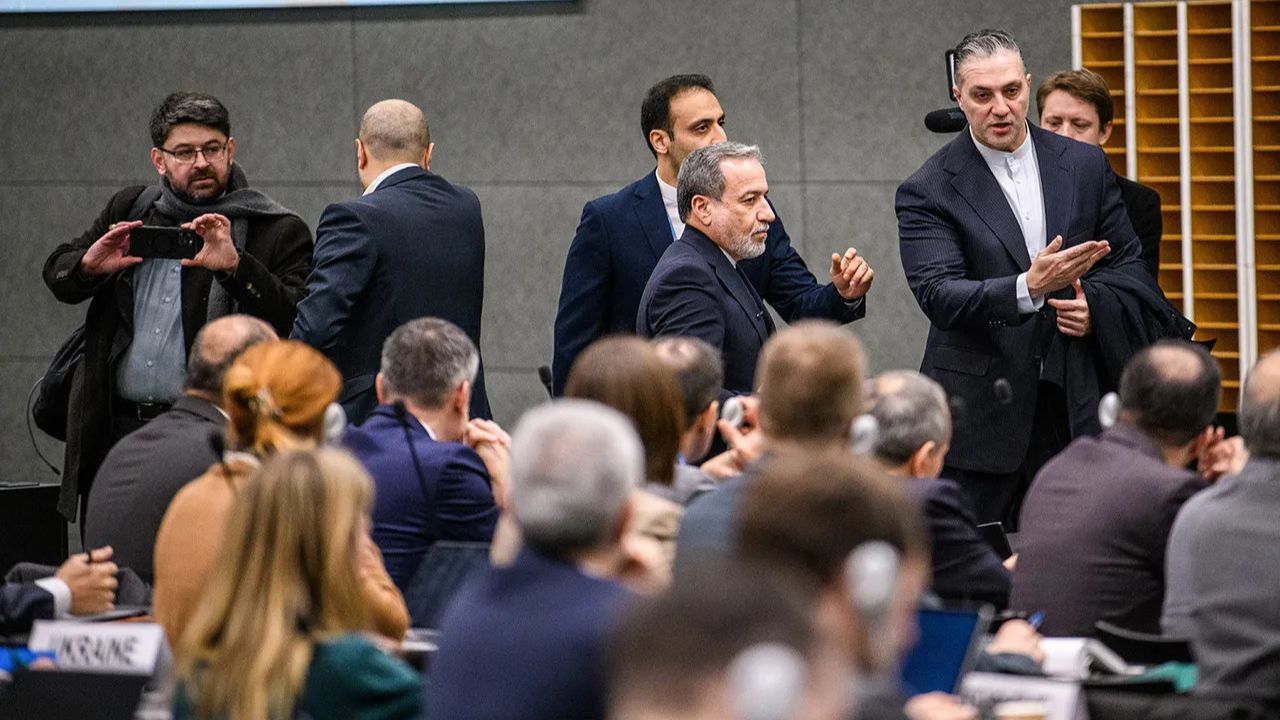
Two rounds of talks have stalled over uranium enrichment, missile development and sanctions relief. According to a source familiar with the negotiations, when Omani mediators delivered missile-related proposals from the US, Iranian Foreign Minister Abbas Araqchi declined to open the envelope and returned it.




After discussions in Geneva on Tuesday, Araqchi said the parties had agreed on “guiding principles”, but the White House signalled significant differences remained. A US official said Tehran is expected to submit a written proposal soon, and Araqchi indicated a draft counterproposal could be ready within days.
Trump warned on Thursday that Iran must reach a deal or face “really bad things”, appearing to set a deadline of 10 to 15 days. Tehran responded by threatening retaliation against US bases in the region if attacked. On Friday, Trump acknowledged he was considering a limited strike to pressure Iran, though he has not made a final decision.
US Secretary of State Marco Rubio is due to meet Israeli Prime Minister Benjamin Netanyahu on 28 February to discuss Iran. A senior US official said it would be mid-March before all US forces are fully in place.
European and regional officials say the US deployment would allow Washington to strike Iran while defending its bases, allies and Israel. The core US demand remains that Iran cease uranium enrichment on its soil. Tehran insists on retaining its nuclear capabilities and refuses to negotiate over ballistic missiles, denying any intention to build nuclear weapons.
If diplomacy fails, defence analyst David Des Roches said US activity suggests an initial phase of any strike would target Iran’s air defences, followed by the Revolutionary Guards Navy, which has been linked to tanker attacks and threats to close the Strait of Hormuz.
Some European and Arab officials question Washington’s ultimate objective. They say governments want clarity on whether any strike would aim to degrade Iran’s capabilities, deter escalation or pursue broader goals such as regime change.
Iran’s leadership, headed by Supreme Leader Ayatollah Ali Khamenei and backed by the Islamic Revolutionary Guards Corps, shows few signs of yielding. Three regional officials said any substantive concessions depend on Khamenei, who regards enrichment and missile development as sovereign rights.
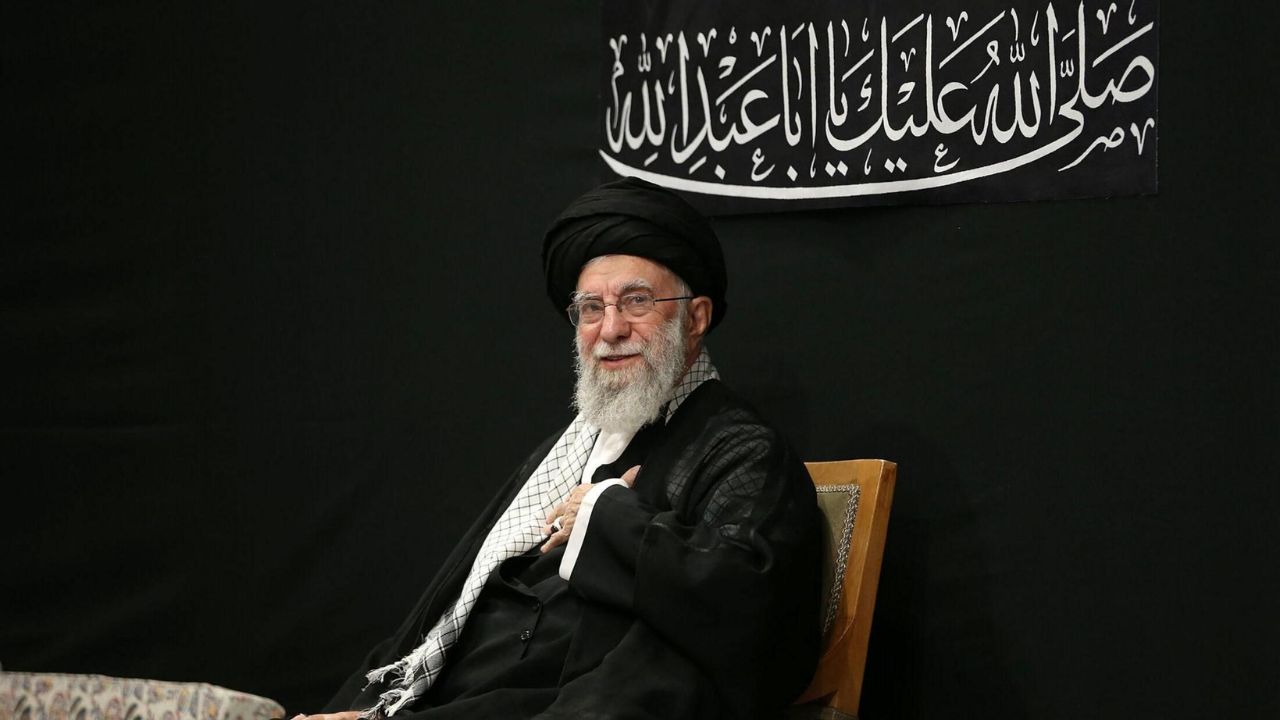
Ali Larijani, an adviser to Khamenei, told Al Jazeera that Iran is prepared to allow extensive monitoring by the International Atomic Energy Agency to demonstrate it is not pursuing nuclear weapons. Tehran has informed IAEA chief Rafael Grossi of the decision.
A source familiar with the talks said Iran’s support for regional militias has not been formally raised but that Tehran does not object in principle to discussing US concerns.
David Makovsky of The Washington Institute said both sides are testing the other’s resolve. Washington believes overwhelming force will compel Tehran to concede, while Tehran doubts Trump’s appetite for a sustained campaign. Israel, he said, sees confrontation as increasingly inevitable.