
Bangladesh has introduced a groundbreaking National Treatment Protocol for Chronic Kidney Disease (CKD), aiming to standardise early detection and management of the disease across primary healthcare facilities nationwide.
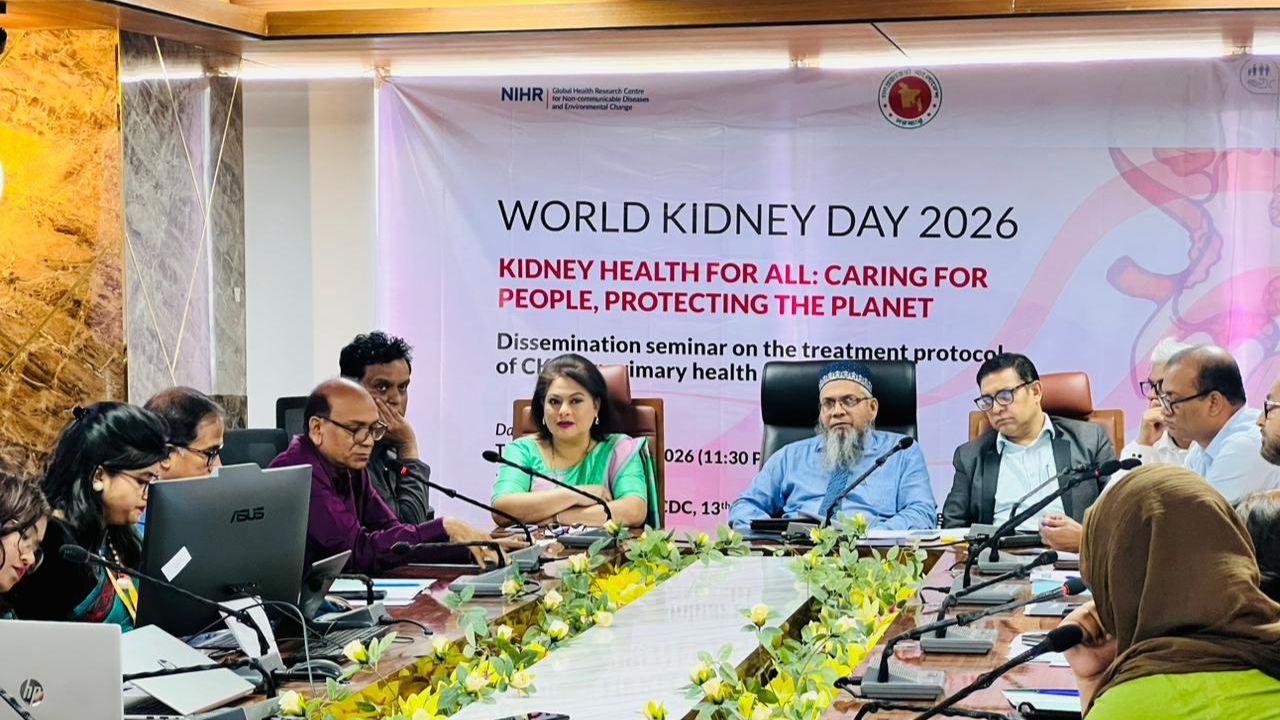
The protocol was unveiled by the Non-Communicable Disease Control (NCDC) unit of the Directorate General of Health Services (DGHS) under the Ministry of Health and Family Welfare on the occasion of World Kidney Day 2026. Developed jointly by NCDC and icddr,b in consultation with a Scientific Working Group, the initiative marks a major shift in the country’s approach to kidney disease.
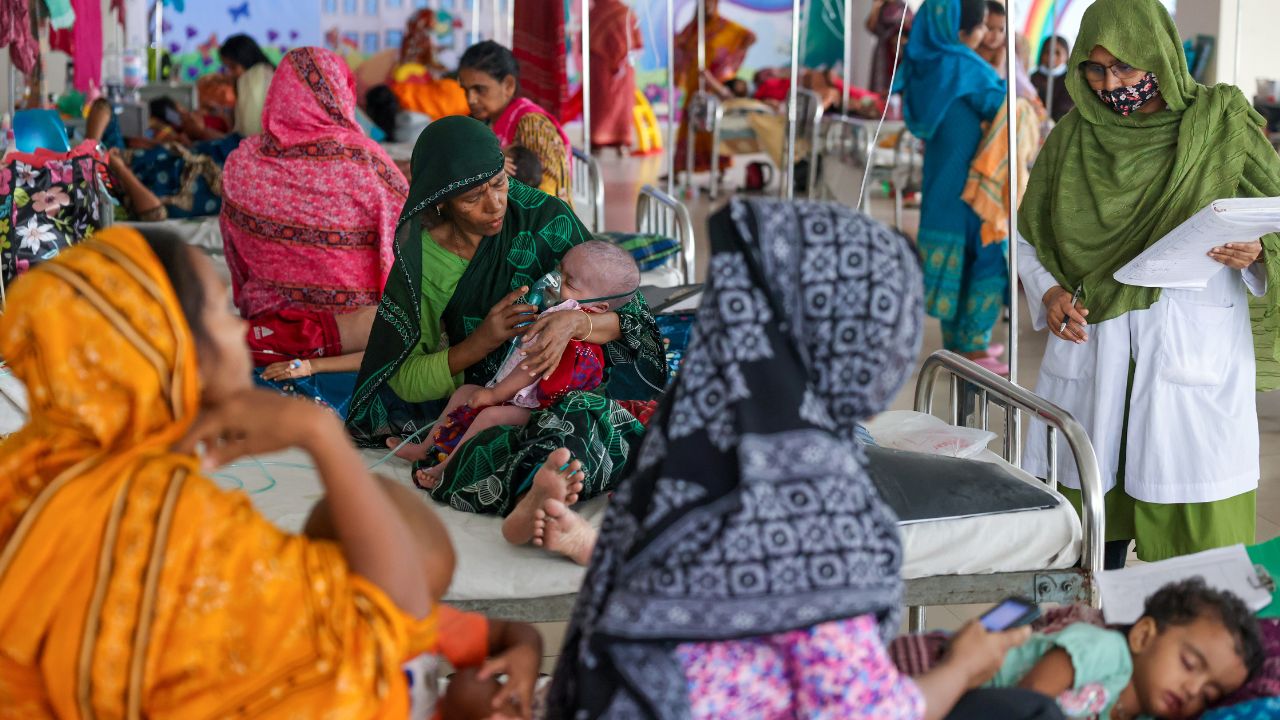
Chronic kidney disease is emerging as a silent epidemic in Bangladesh, often going undetected until it reaches advanced stages. A systematic review and meta-analysis titled “Prevalence of chronic kidney disease in Bangladesh” estimates that nearly one in four people in the country suffers from kidney disease – a rate significantly higher than the global average.
Each year, an estimated 35,000 to 40,000 people progress to kidney failure, placing enormous strain on Bangladesh’s limited dialysis and transplant infrastructure.

The disease progresses silently, leaving many patients undiagnosed. Those with diabetes, hypertension, cardiovascular disease, or a family history of kidney disease are at higher risk. Environmental factors such as water salinity, heat stress, and declining water quality are increasingly recognised as contributing risks, particularly in coastal regions.
The new protocol integrates kidney disease screening and management into primary healthcare services. Under the framework, Community Health Care Providers (CHCPs) at community clinics will conduct screenings for kidney disease, hypertension, and diabetes, referring suspected cases to higher facilities. At Upazila Health Complexes, doctors will follow standardised guidance for diagnosis, risk stratification, and management.



Icddr,b is also developing a digital system within the government’s health platform, incorporating the treatment protocol to support primary healthcare providers. The initiative is backed by the NIHR Global Health Research Centre for Non-Communicable Diseases and Environmental Change project, implemented by icddr,b.
The dissemination event brought together senior DGHS officials, nephrologists, cardiologists, public health experts, and stakeholders, including prominent nephrologist Prof Dr Harun-Ur-Rashid, founder president of the Bangladesh Kidney Foundation.
“This protocol marks a turning point in how Bangladesh approaches kidney disease,” said Prof Dr Sheikh Sayidul Haque, Additional Director General (Planning and Development) at DGHS. “By bringing early detection and management to community and upazila levels, we can prevent thousands of people from reaching end-stage disease.”
Prof Syed Zakir Hossain, OSD at DGHS and former Line Director of NCDC, noted that health statistics indicate a rising number of kidney patients, suggesting inadequate disease control. “It is therefore important to involve primary care facilities in screening and diagnosis. I hope the chronic kidney disease treatment protocol will support primary healthcare providers in screening, managing and monitoring kidney disease patients.”
Dr Aliya Naheed, Senior Scientist at icddr,b and principal investigator of the project, emphasised that early intervention at the primary care level can save lives and reduce treatment costs. “Early detection and management at primary care level can prevent many patients from progressing to severe kidney disease. We hope the protocol will be rapidly implemented across the country and serve as a model for integrated NCD care.”
The protocol is expected to be rolled out nationwide, supported by training for healthcare workers and monitoring systems to track implementation.