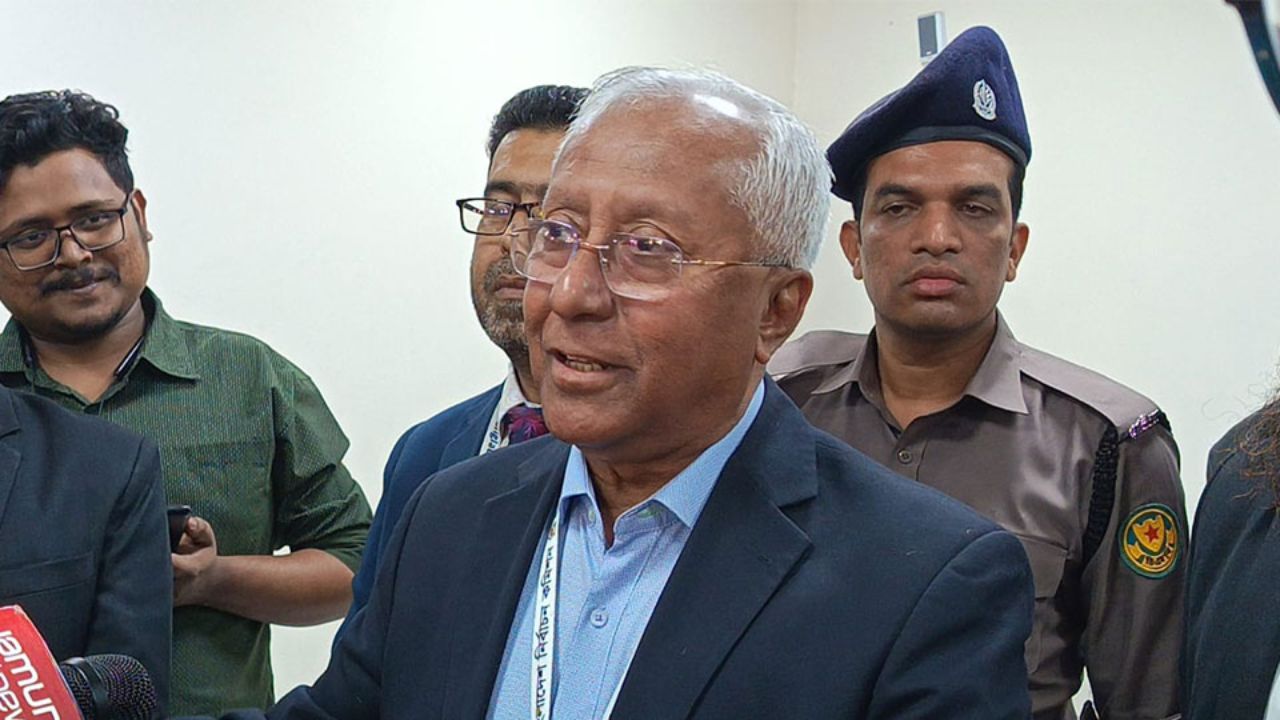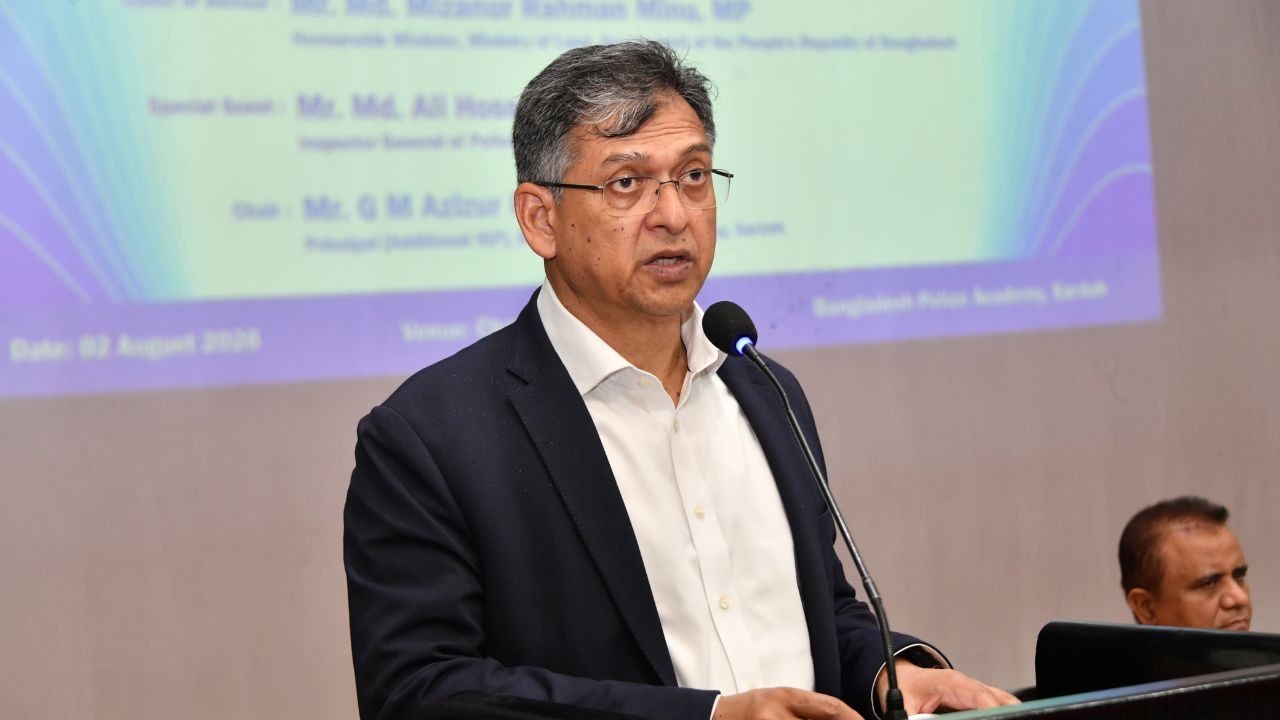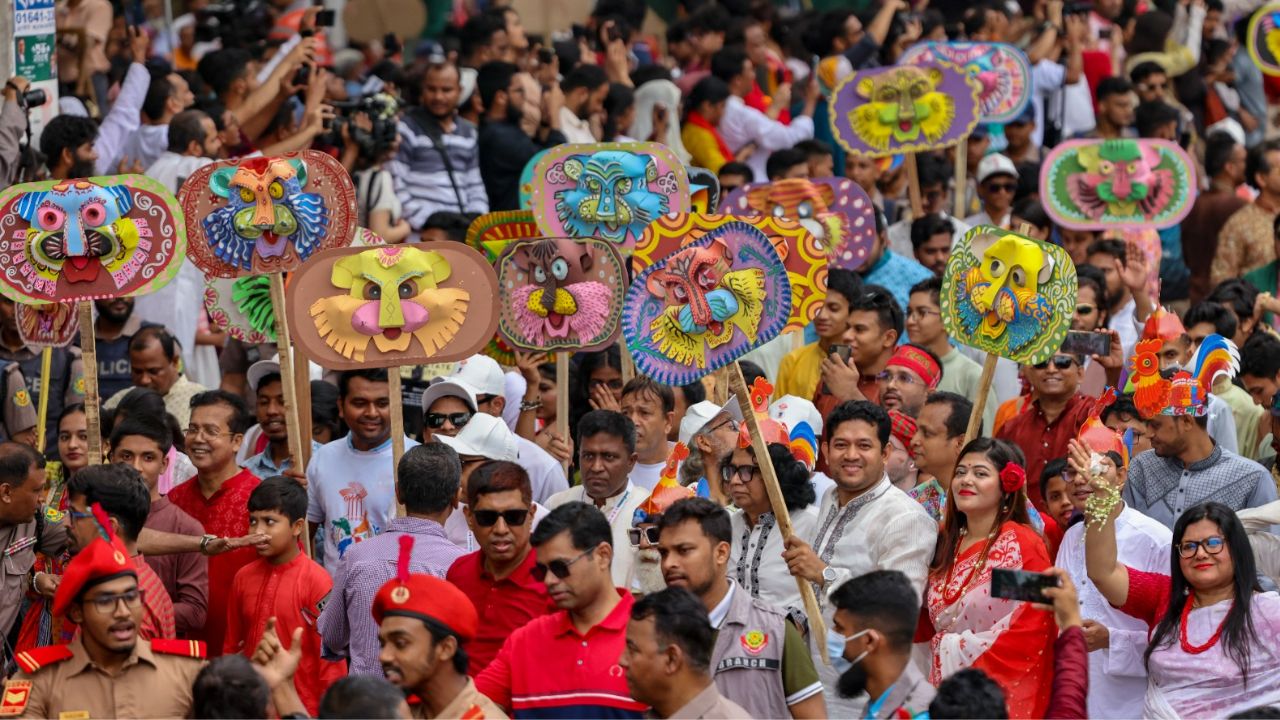

The Baishakhi Shobhajatra 1433 began in morning from the Faculty of Fine Arts, University of Dhaka, as Bangladesh welcomed the first day of the Bengali New Year.
The procession began at 9am on Tuesday. It later moved out from the Faculty of Fine Arts, passed through Shahbagh and Doel Chattar, and returned to the Faculty of Fine Arts, where it concluded.
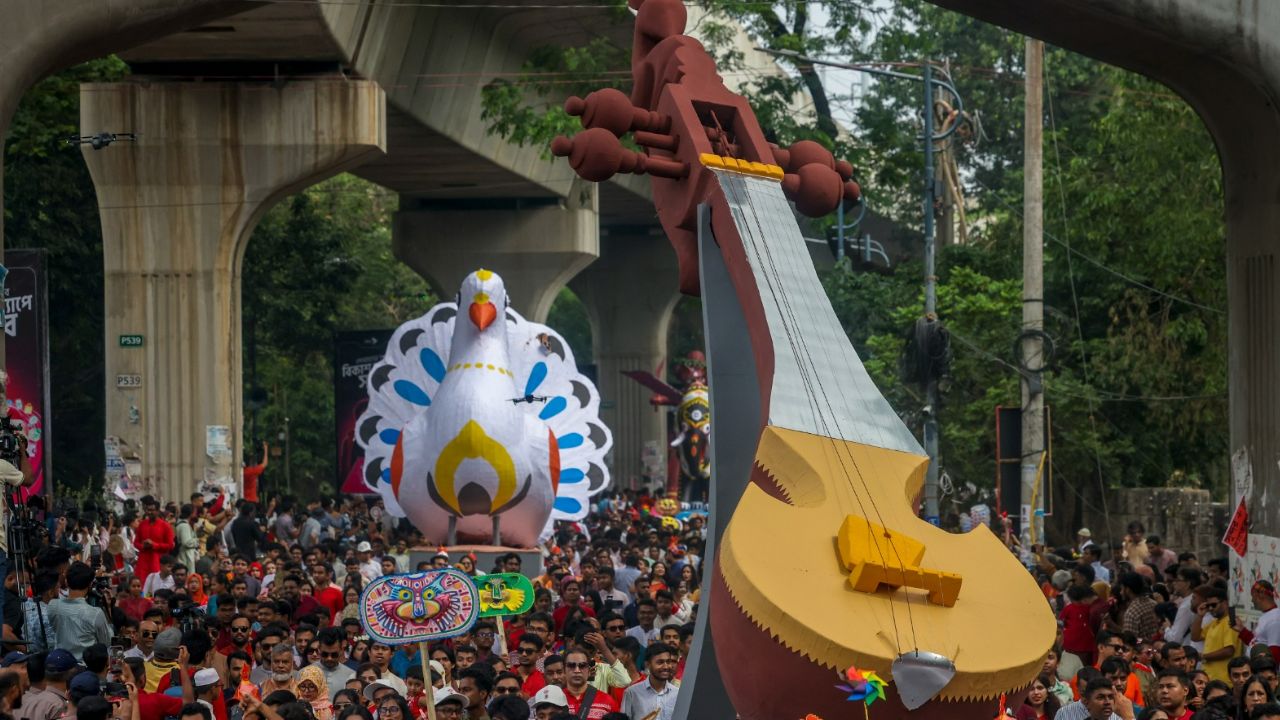
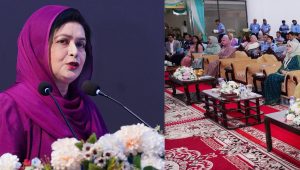
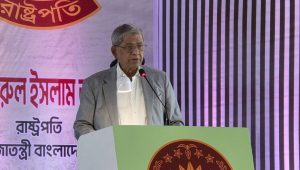
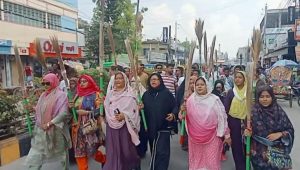
State guests, Dhaka University students and teachers, and people from all walks of life took part in the procession. A spontaneous turnout of the general public was also seen.
The Shobhajatra has long been an integral part of Pohela Baishakh celebrations. Despite several name changes over the years, it remains a key symbol of Bangladesh’s cultural heritage.

In 2016, the UNESCO (United Nations Educational, Scientific and Cultural Organization) listed the Shobhajatra as an Intangible Cultural Heritage.
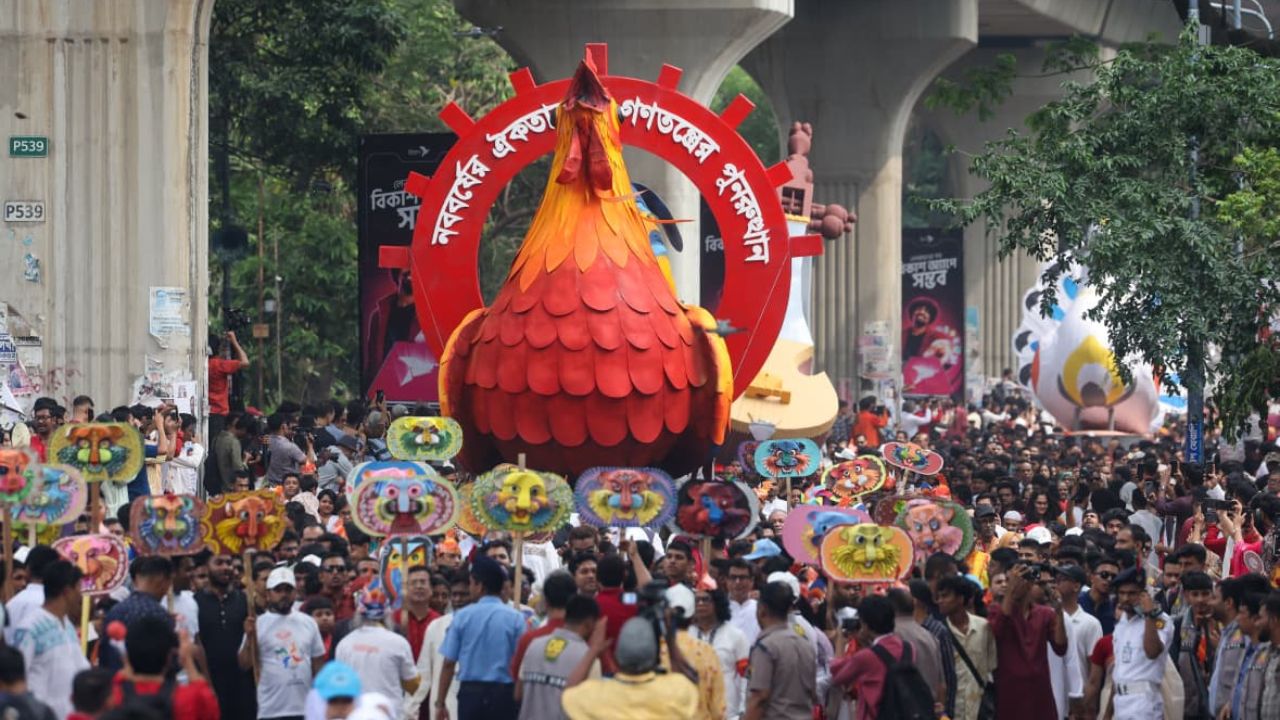
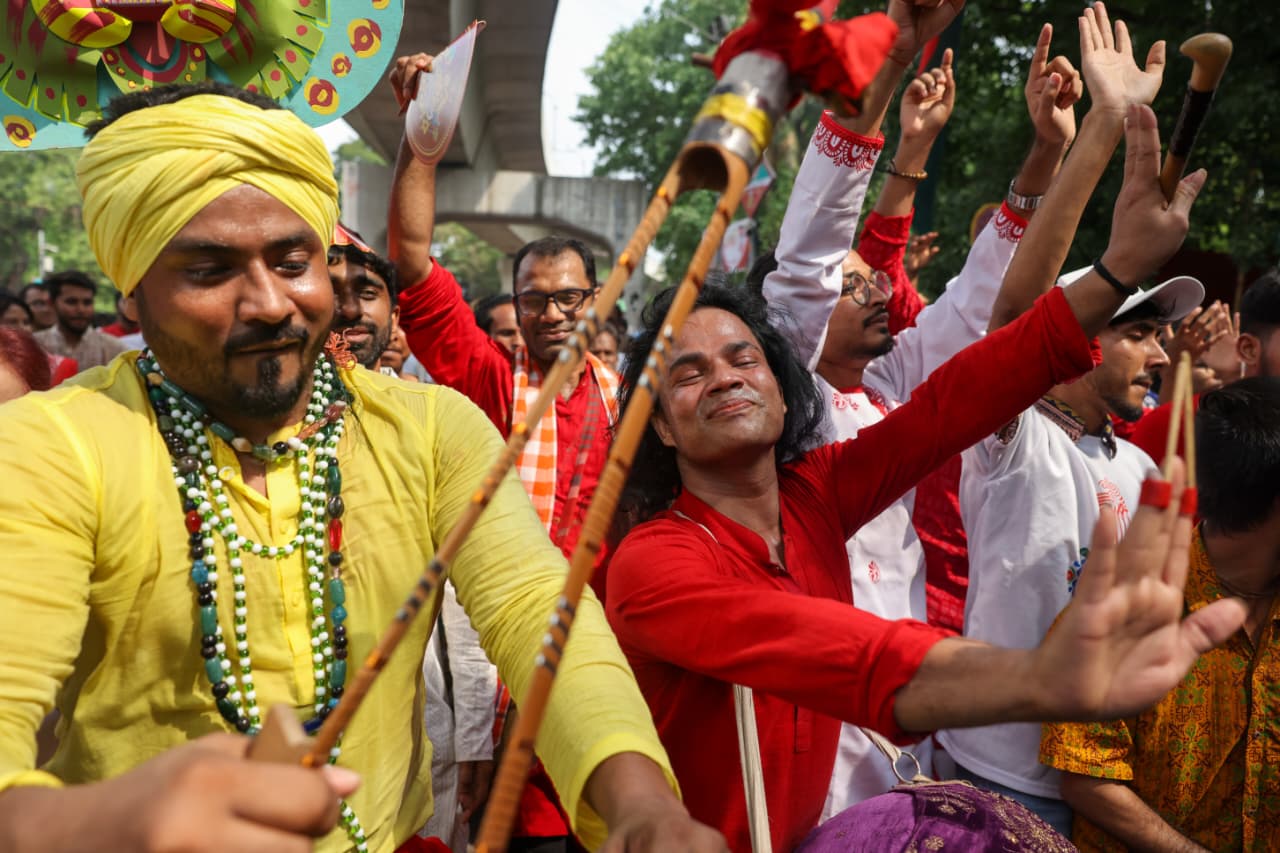
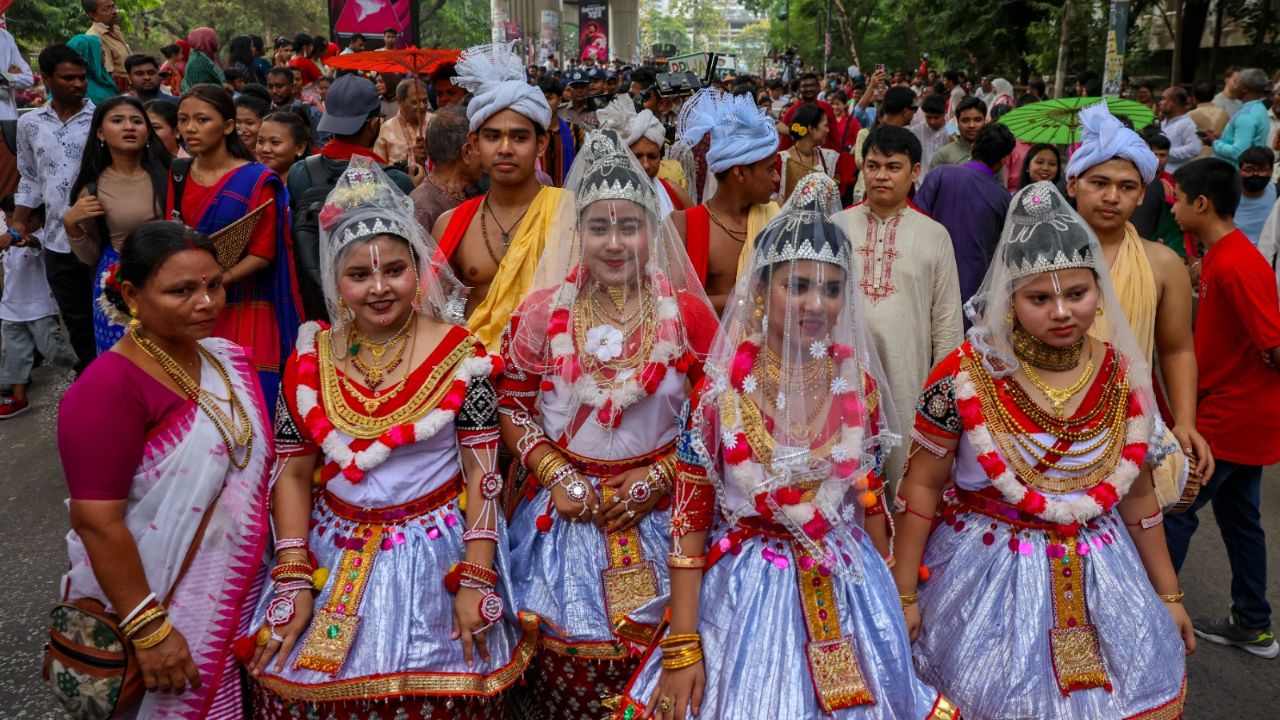
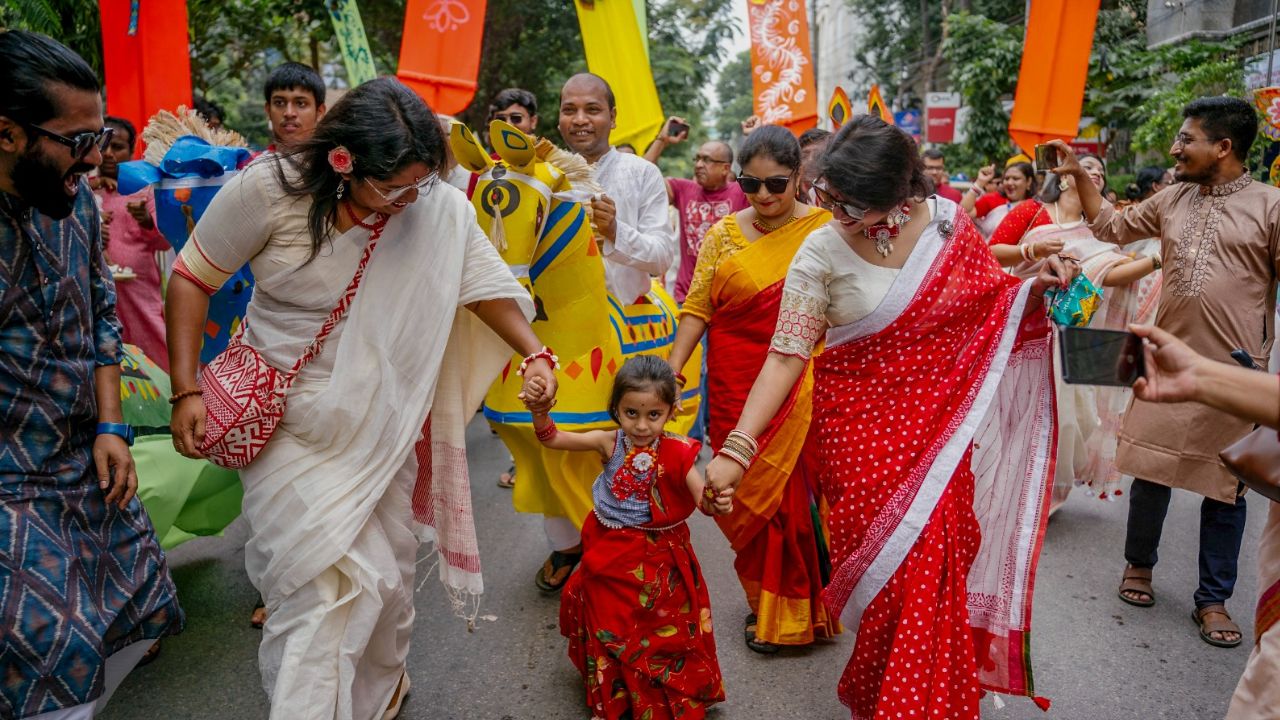
The procession, accompanied by scroll paintings, colourful motifs and the rhythm of drums, created a festive atmosphere across the entire campus. Various symbolic items and artworks carried by participants made the procession more attractive.


This year’s theme is ‘Noboborsher Sure Oikya, Gonotontro Punorjagoron’ which means ‘New Year’s tune of unity, rebirth of democracy’.
The motifs include a rooster symbolising the democratic dawn, an elephant representing the heritage of Sonargaon, a pigeon symbolising peace, a clay horse doll reflecting rural tradition, and a dotara representing solidarity with the Baul community and protest against attacks on them.
This year’s procession will also feature five patachitra paintings alongside the five motifs. The artworks have been created by pat artist Tiger Nazir.
The paintings highlight various themes, including the forest deity Bonbibi of the Sundarbans, Mughal Emperor Akbar as the introducer of the Bengali New Year, Bangladesh’s independence and anti-autocracy movements, the folk art of Gazi Pat, and Behula from the mythological Manasamangal Kavya.
The procession was led by a mounted police team. Around 200 Dhaka University students carrying the national flag followed, after which journalists joined the march.
State guests and senior university officials then proceeded with the main banner. Deans of different faculties and provosts of residential halls followed, along with department chairmen, teachers and staff.
Next, members of JASAS (Jatiotabadi Samajik Sangskritik Sangstha) and Jatiya Kobita Parishad marched together, followed by the five large motifs, drum teams and a 150-foot-long scroll painting.
The procession concluded with Saimum Shilpigosthi and representatives of 115 indigenous communities.