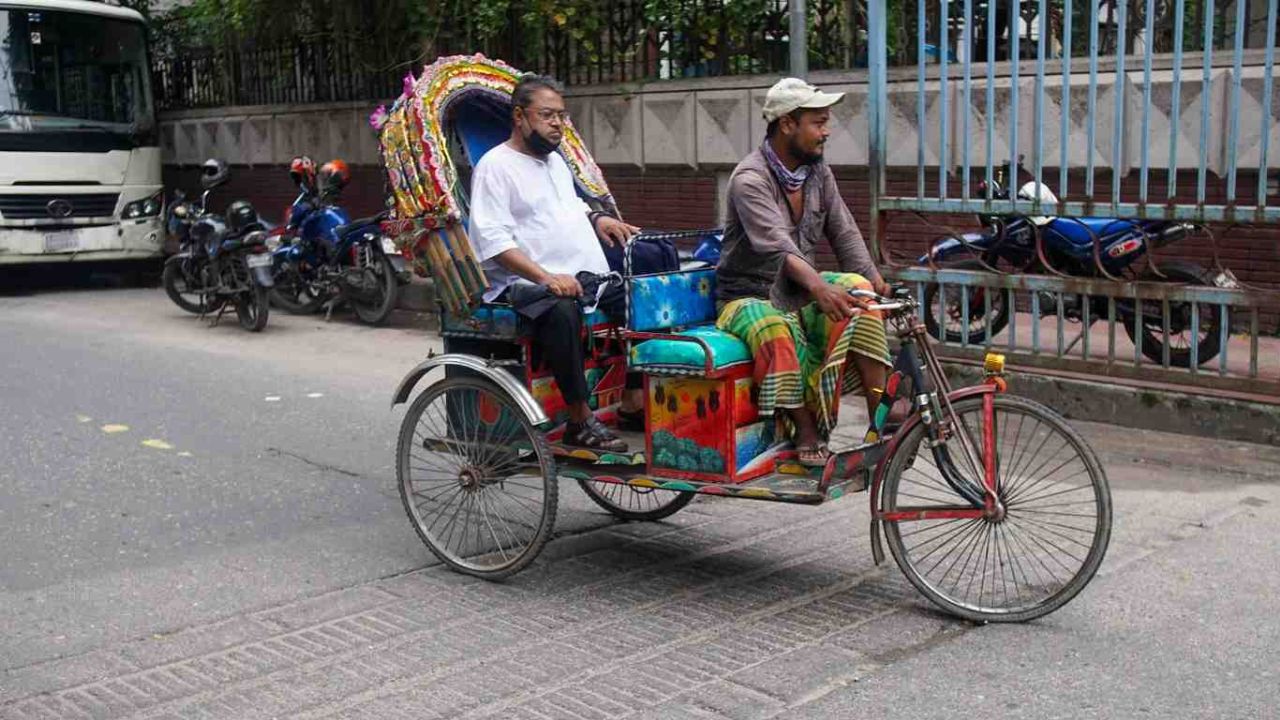

When Dhaka Metropolitan Police (DMP) began reinstalling iron “rickshaw trappers” in March 2025, authorities presented the move as a fresh attempt to keep battery-run auto rickshaws off restricted roads.
But for many residents and transport observers, there was a sense of déjà vu.
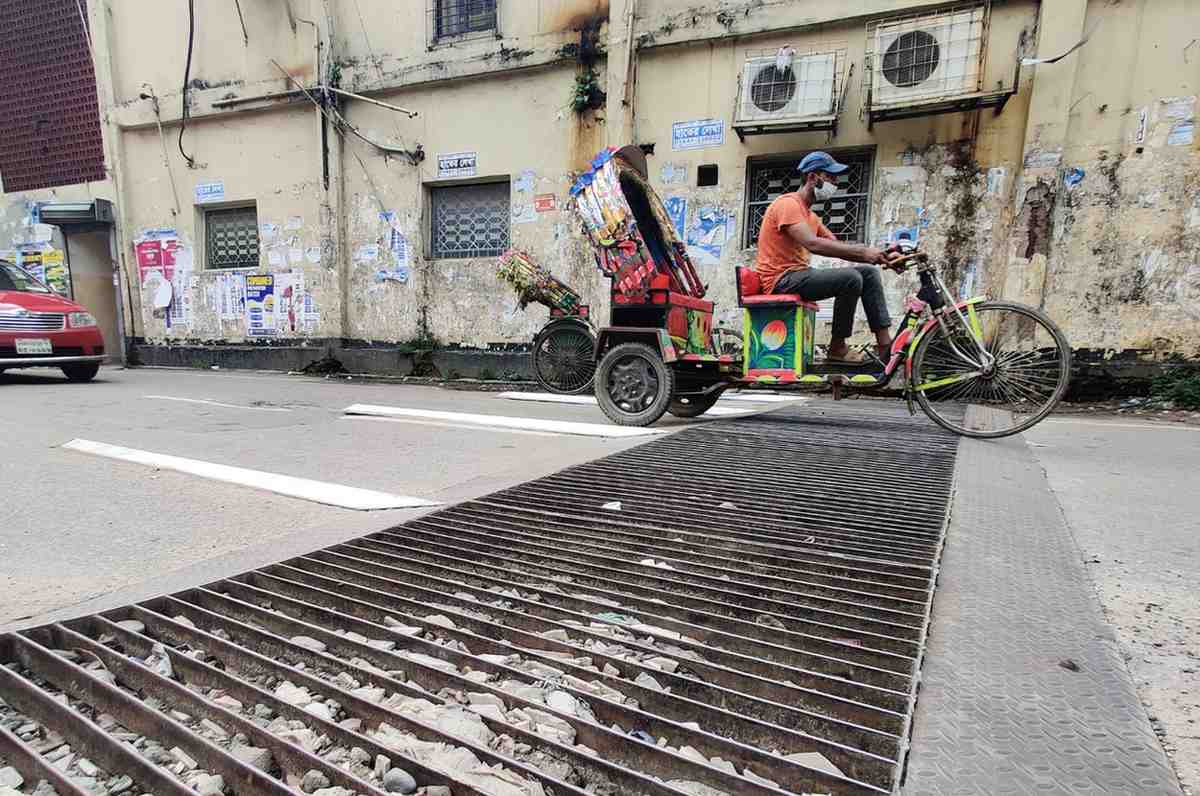
The idea itself is more than a decade old. In 2013, a Bangladeshi engineer introduced the “rickshaw trapper” in the Hatirjheel area.
The iron device was designed to allow cars, buses, motorcycles and CNGs to pass while locking the wheels of rickshaws that attempted to enter prohibited roads. Officials hoped it would reduce congestion and improve traffic flow.

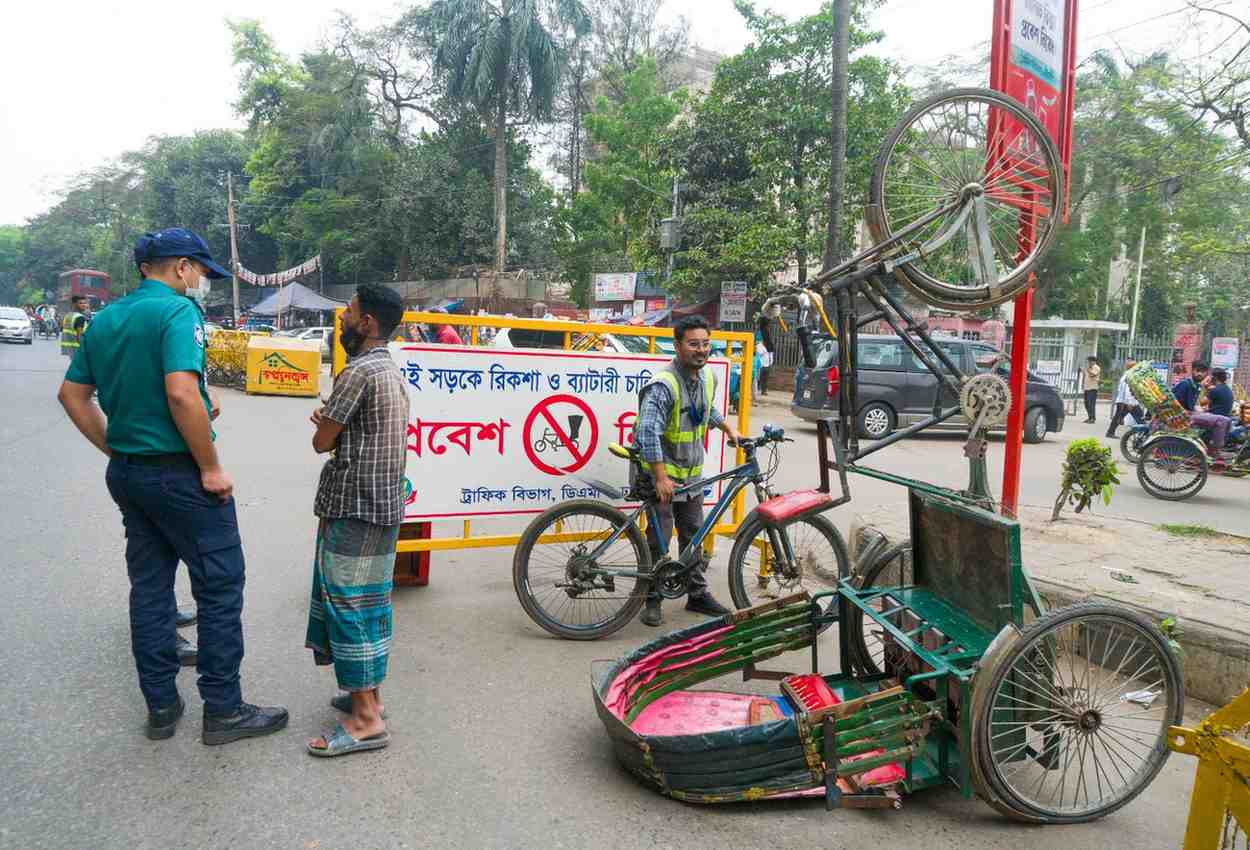
The concept returned in 2014 when another experimental device, known as “Prevention”, was installed near State Guest House Sugandha beside Ramna Park.
The mechanism was designed to puncture the tyres of vehicles entering from the wrong direction. Yet neither initiative evolved into a lasting solution. Instead, both gradually faded from public attention.




More than a decade later, DMP revived the concept. Trappers were installed around Bailey Road, Eskaton and the Ramna Police Station area on a trial basis.
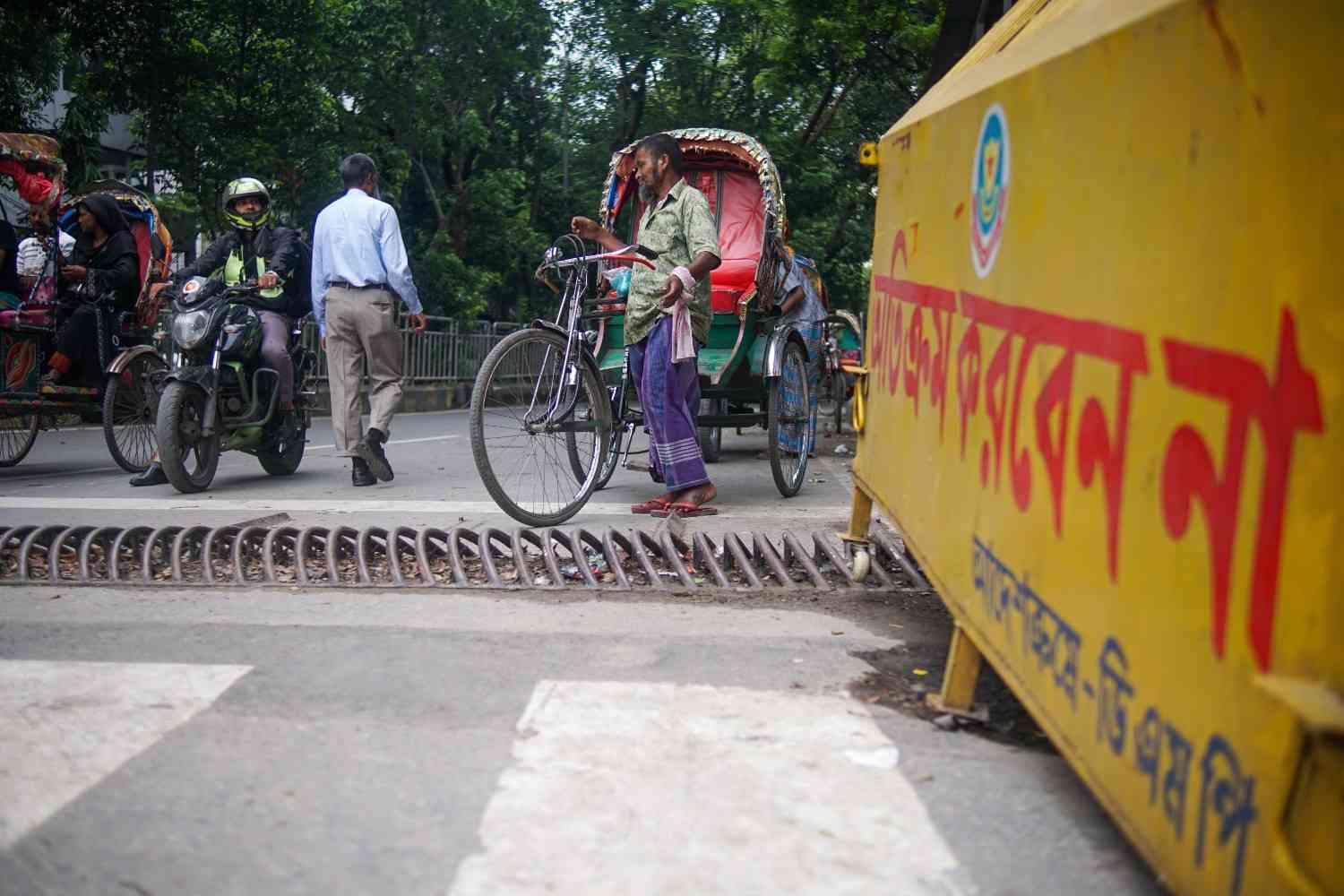
Officials argued that the barriers would stop rickshaws from entering roads where they are banned and reduce the need for constant police intervention.
At the time, DMP acknowledged that Dhaka’s roads were carrying more than 1 million pedal and battery-powered rickshaws, many operating beyond designated routes.
Yet history quickly repeated itself. Earlier installations had become clogged with soil and garbage, rusted from neglect or simply disappeared.
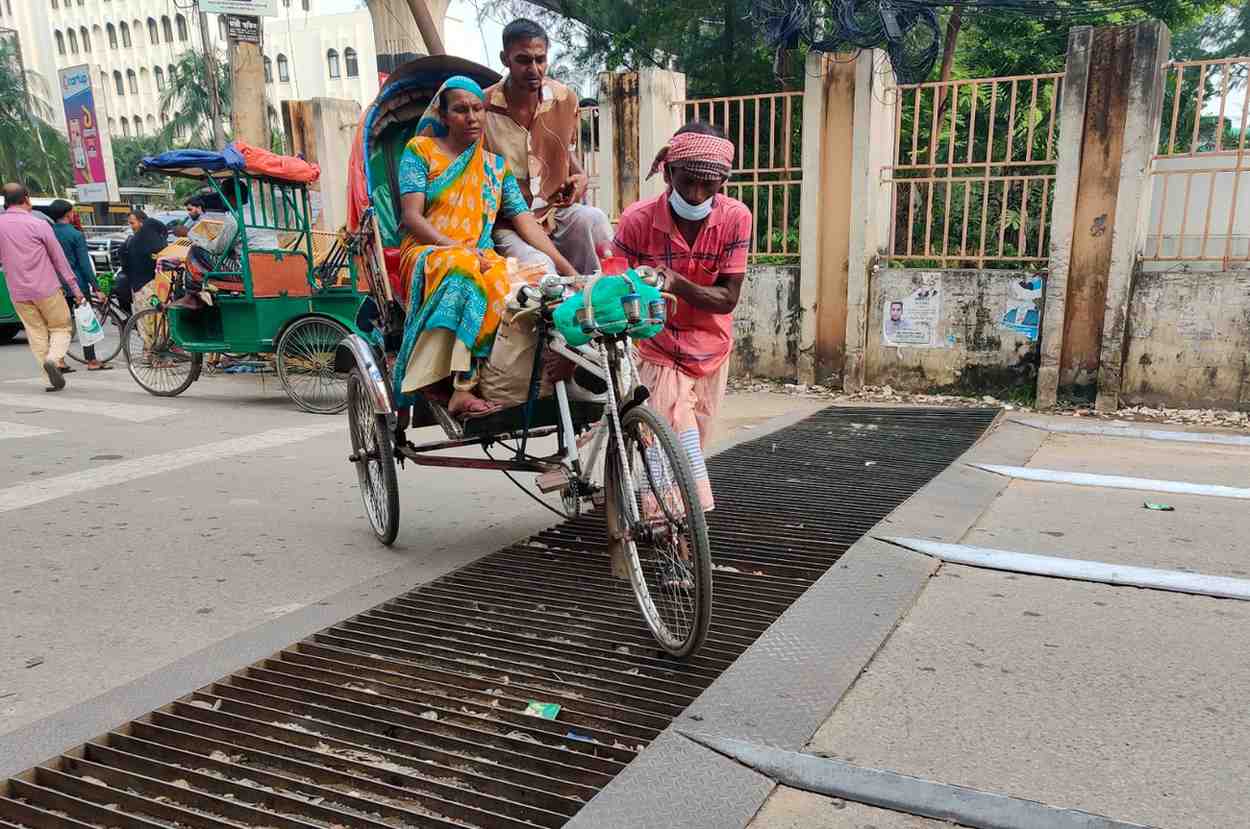
Officials later alleged that some trappers were deliberately damaged, with cement poured into grooves and parts dismantled by operators seeking to bypass restrictions.
The lesson from Dhaka’s long experiment is clear. The problem has never been a lack of devices. It has been a lack of enforcement, maintenance and political will.
Without those, the city’s latest trappers may end up exactly where the previous ones did: forgotten beneath the traffic they were built to control.