More than half a century after the last human footsteps settled into the Moon’s dust, humanity has found its way back but not with the urgency of a race, nor the simplicity of a single goal.
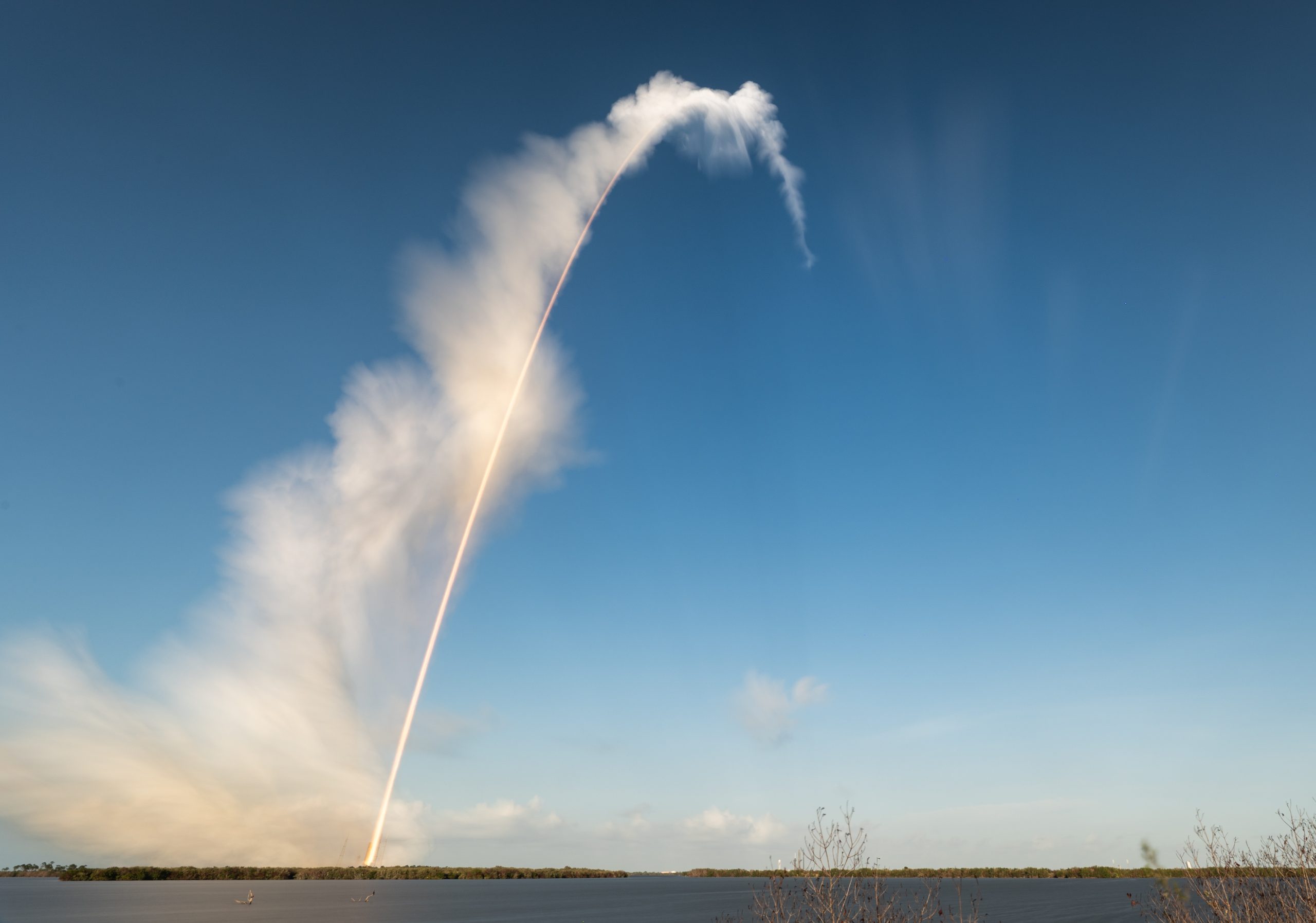
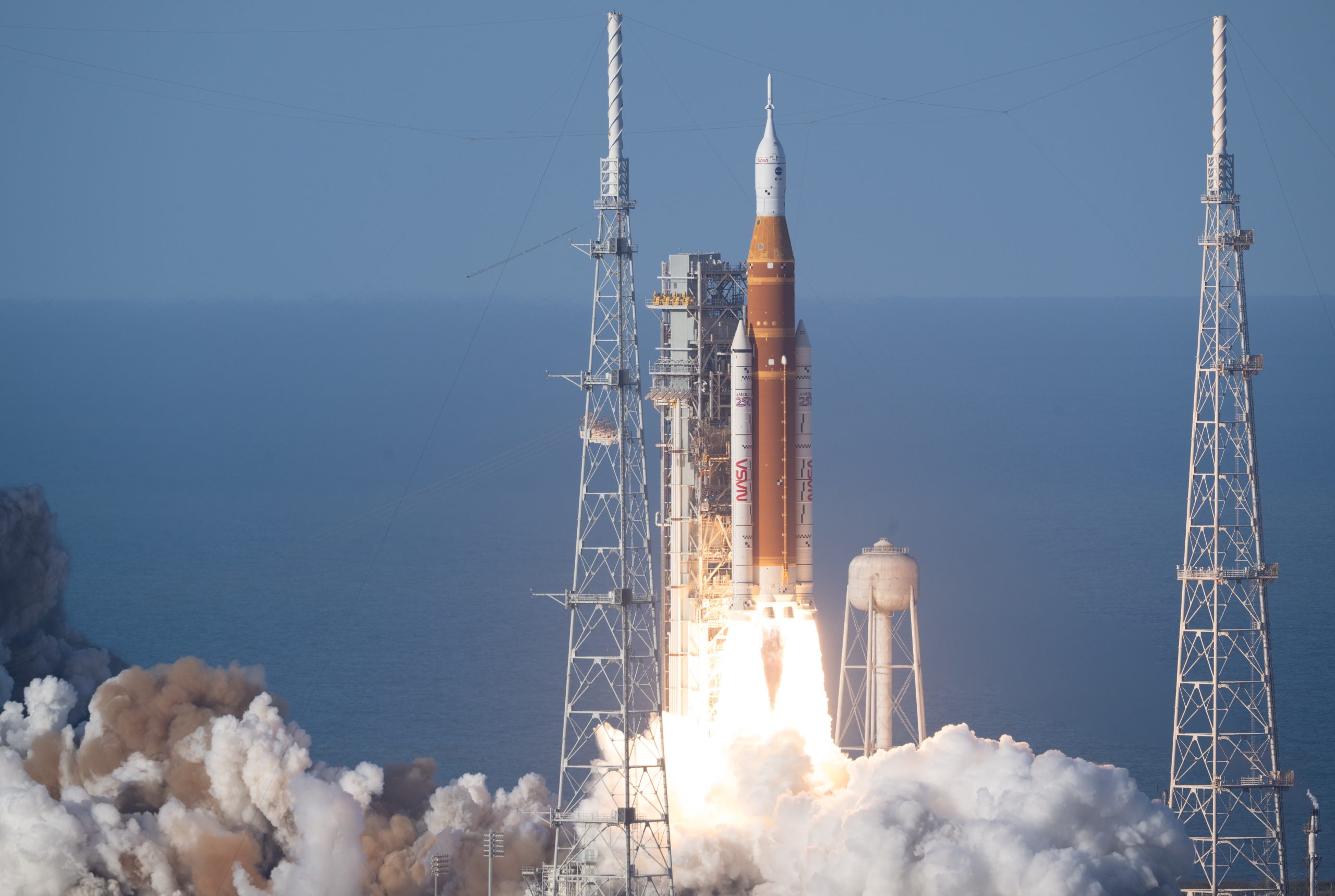
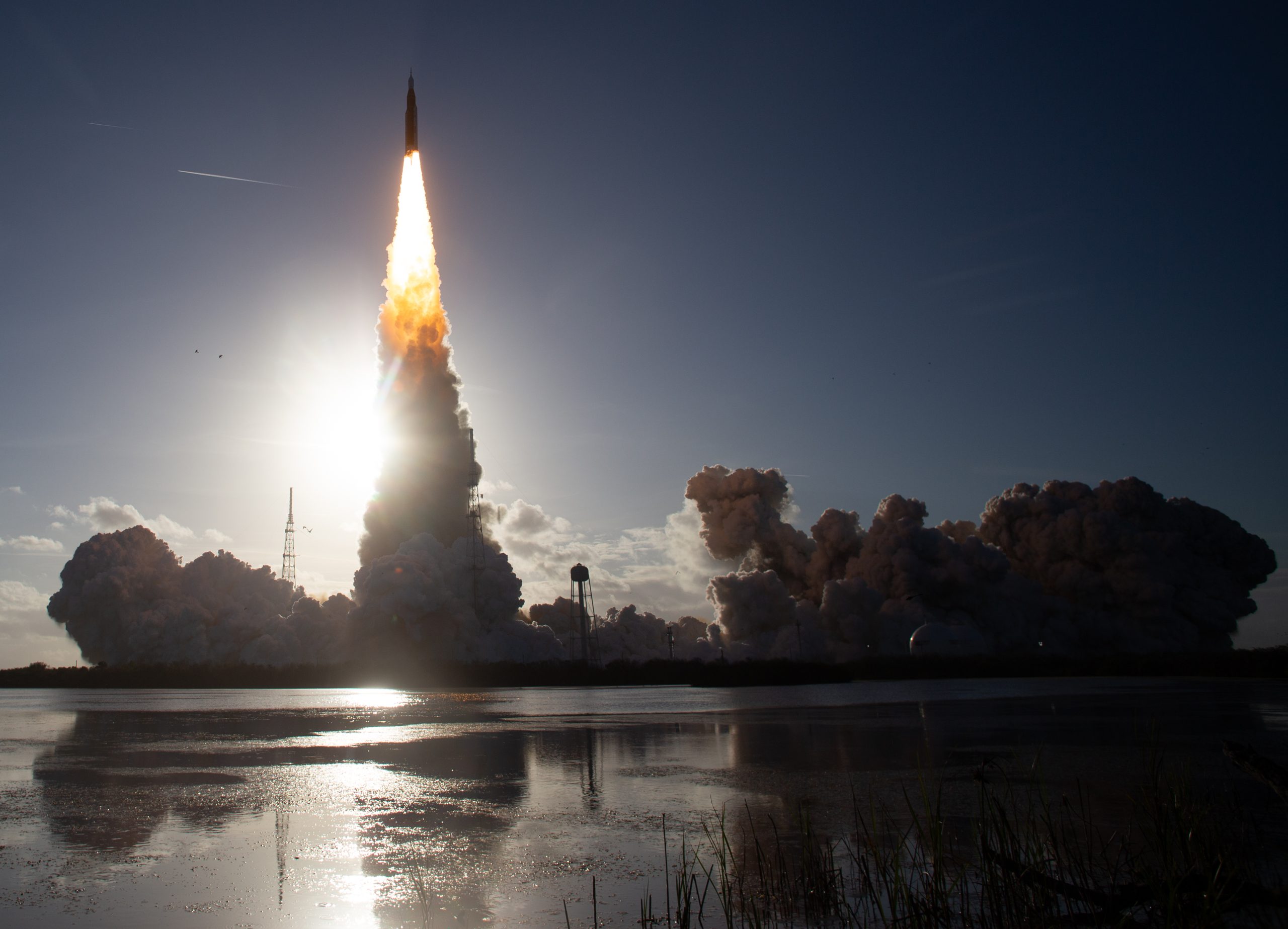
When Artemis II lifted off on 1 April 2026, it carried four astronauts beyond Earth’s protective boundary for the first time since 1972.
The roughly 10-day mission will send them on a looping journey around the Moon and back, travelling hundreds of thousands of kilometres through deep space. It does not aim to land, and that is precisely the point. NASA astronauts Reid Wiseman, Victor Glover, Christina Koch, and CSA astronaut Jeremy Hansen—accelerated beyond Earth’s orbit on their outbound trajectory toward the Moon.
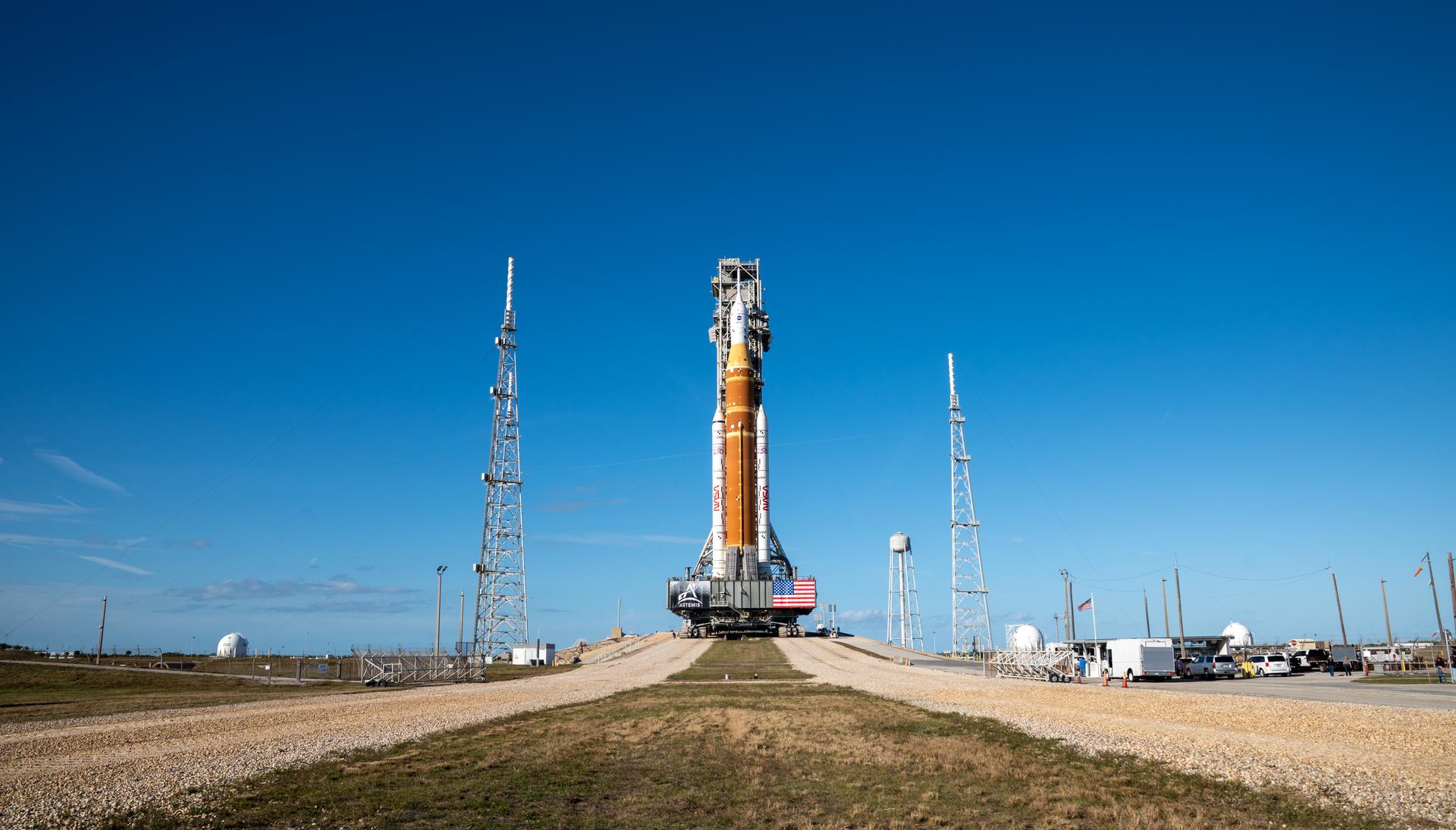
By 2 April, the four-member crew had already settled into their journey around the Moon, with Orion expected to splash down in the Pacific Ocean around 10 April.
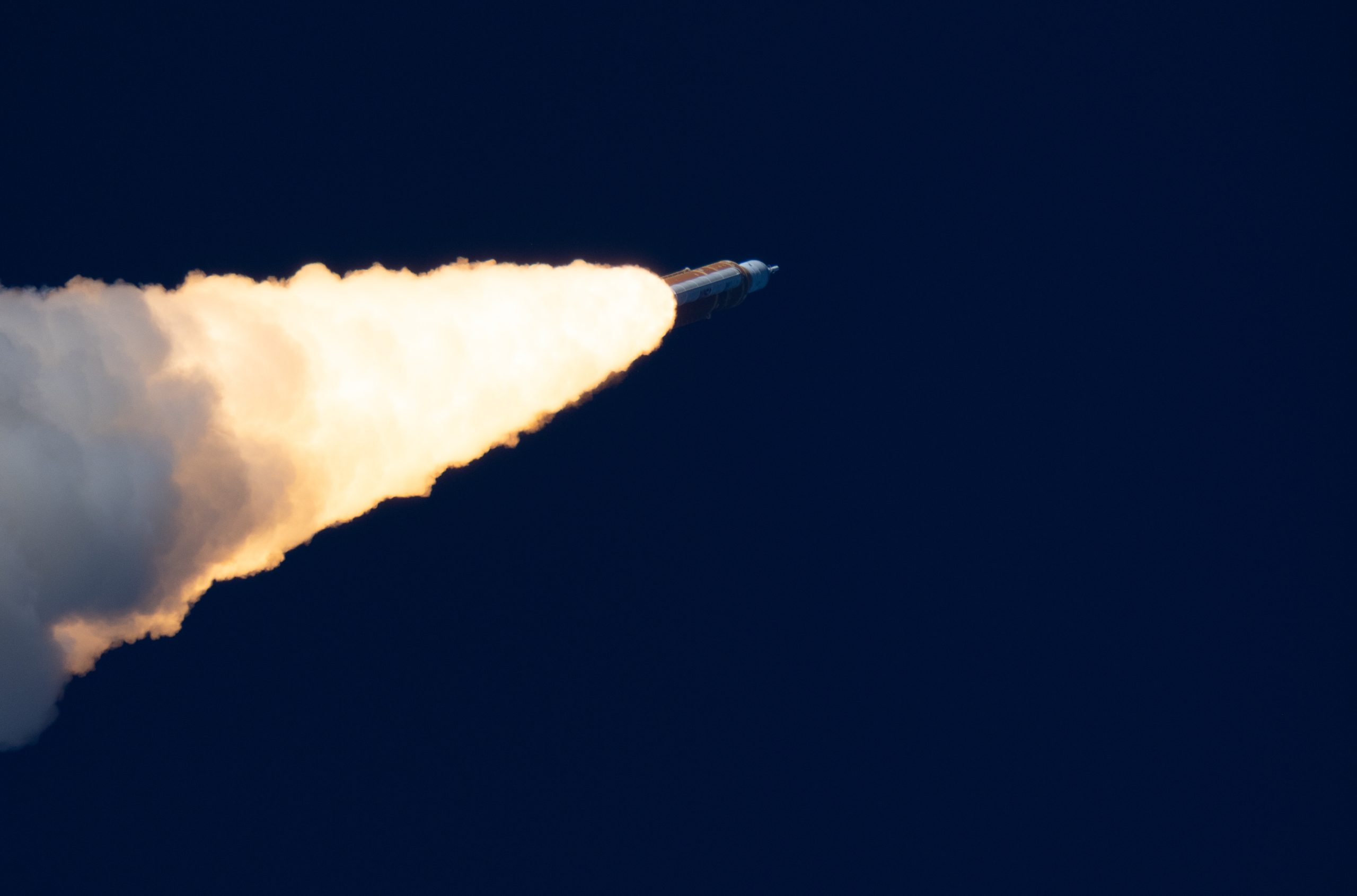
The spacecraft entered deep space following a six-minute engine burn that pushed it beyond Earth’s orbit. The SLS rocket first placed Orion into an elliptical orbit, before a second burn sent the spacecraft—named “Integrity”—into a high orbit nearly 46,000 miles above Earth for system checks. Orion then separated from the stage, conducted manual piloting tests using the interim cryogenic propulsion stage as a docking target, and executed an automated departure burn as the stage was safely disposed of over the Pacific Ocean.
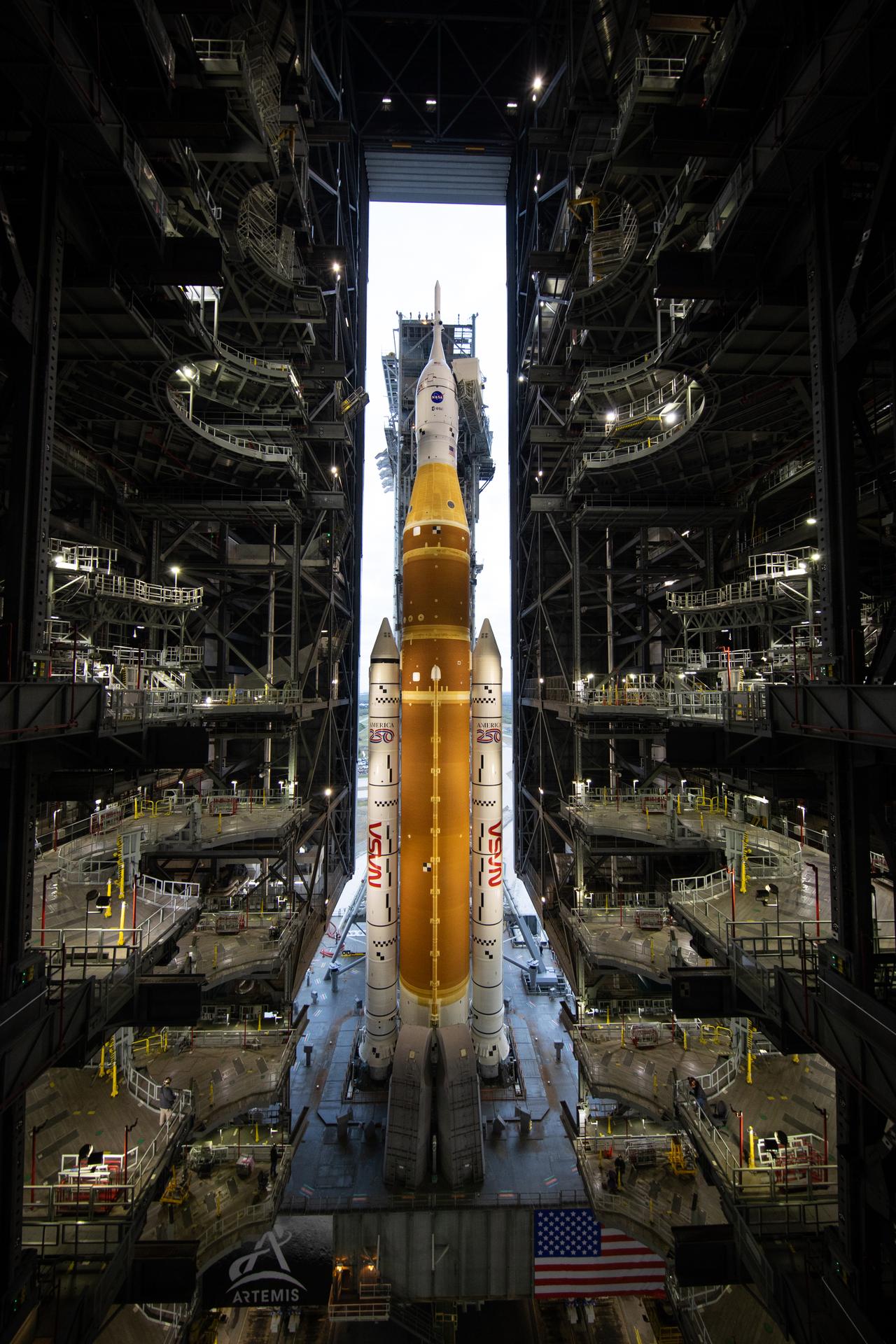
Inside the spacecraft, the mission quickly revealed its human side. The crew repaired a jammed toilet fan shortly after reaching orbit, guided by Mission Control, while Commander Reid Wiseman also reported an unexpected issue with Microsoft Outlook during the first day in space—telling Mission Control they “have two Microsoft Outlooks, and neither one of those are working,” an almost ordinary problem unfolding in an extraordinary setting.
By Flight Day 5, the Artemis II crew had travelled farther from Earth than any humans since Apollo 13, poised to surpass its long-standing record of 248,655 miles. Now more than 252,000 miles from Earth, the four astronauts have completed key system checks—including manual piloting and suit tests.
As the spacecraft loops around the far side of the Moon, with its closest approach scheduled for around 7:02 p.m. EDT, communication with Earth will fall silent for nearly 40 minutes—cut off entirely by the Moon itself.
In that brief but profound stretch, the crew will be alone in deep space, documenting the lunar surface through photos and video while moving through complete darkness.
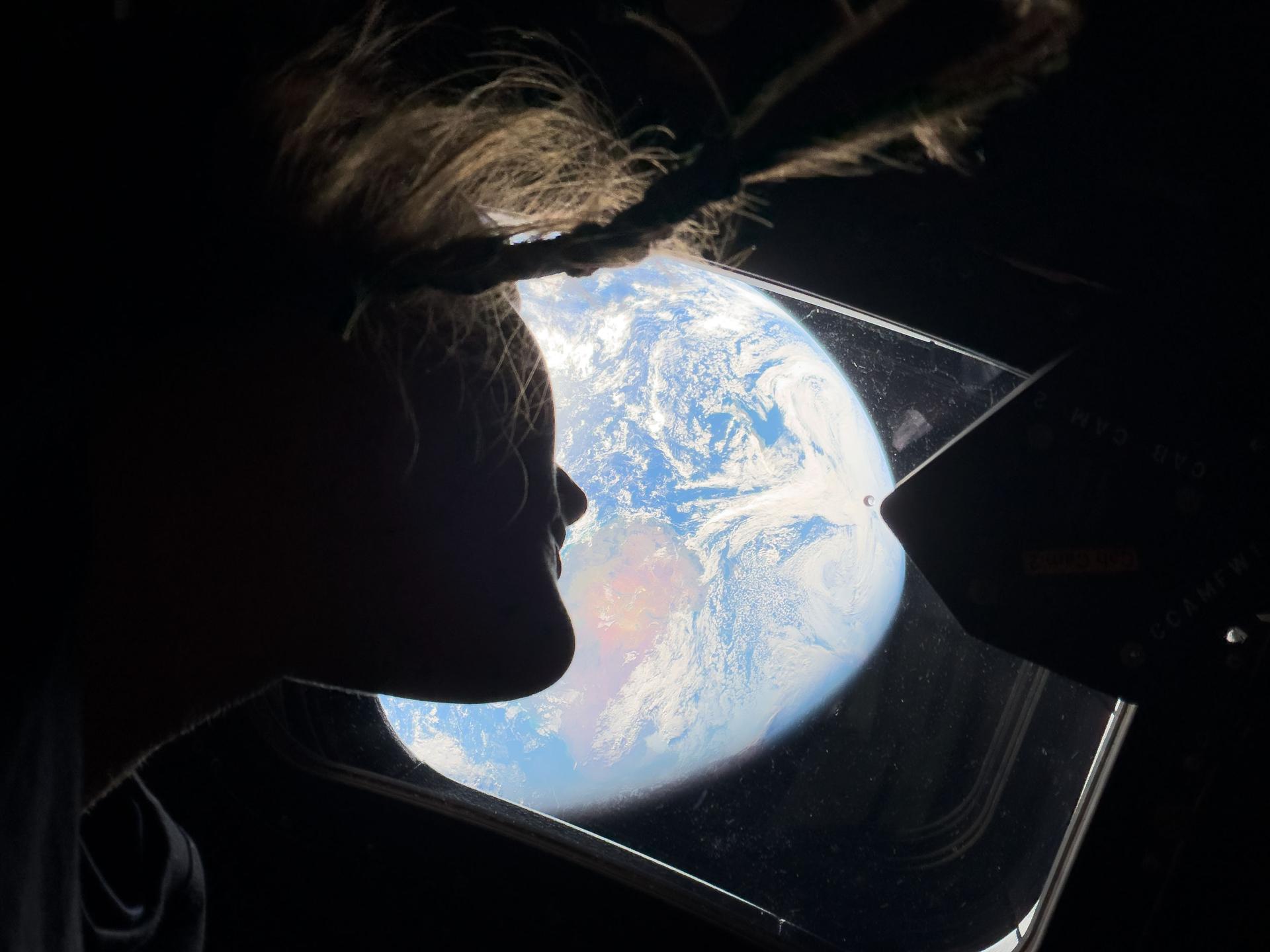
The mission continues to run smoothly, with Orion performing as expected. Next, the crew will carry out radiation shelter tests on Day 8 before preparing for a Pacific Ocean splashdown next week. Reflecting on the journey, pilot Victor Glover said he hopes this moment of silence beyond the Moon brings people on Earth closer together.
This mission is built to test, to learn, and to reopen a path left unused for more than five decades. It marks a return not to a place, but to a possibility – that the Moon is no longer just a destination, but the first step in a much longer journey.
This is not Apollo reborn. It is something more deliberate, more patient, and ultimately more ambitious.

A long road of attempts, failures and breakthroughs
The journey to the Moon has never been straightforward. Since 1958, around 146 lunar missions have been attempted by countries including the United States, the Soviet Union, China, India and Japan. In the early years, failure was more common than success.
Rockets exploded shortly after launch, spacecraft lost communication mid-flight, and landers crashed onto the lunar surface.
Over time, those failures became lessons. Advances in propulsion, navigation and computing steadily improved outcomes. Today, more than half of those missions—over 75—have successfully orbited, landed on, or flown past the Moon.
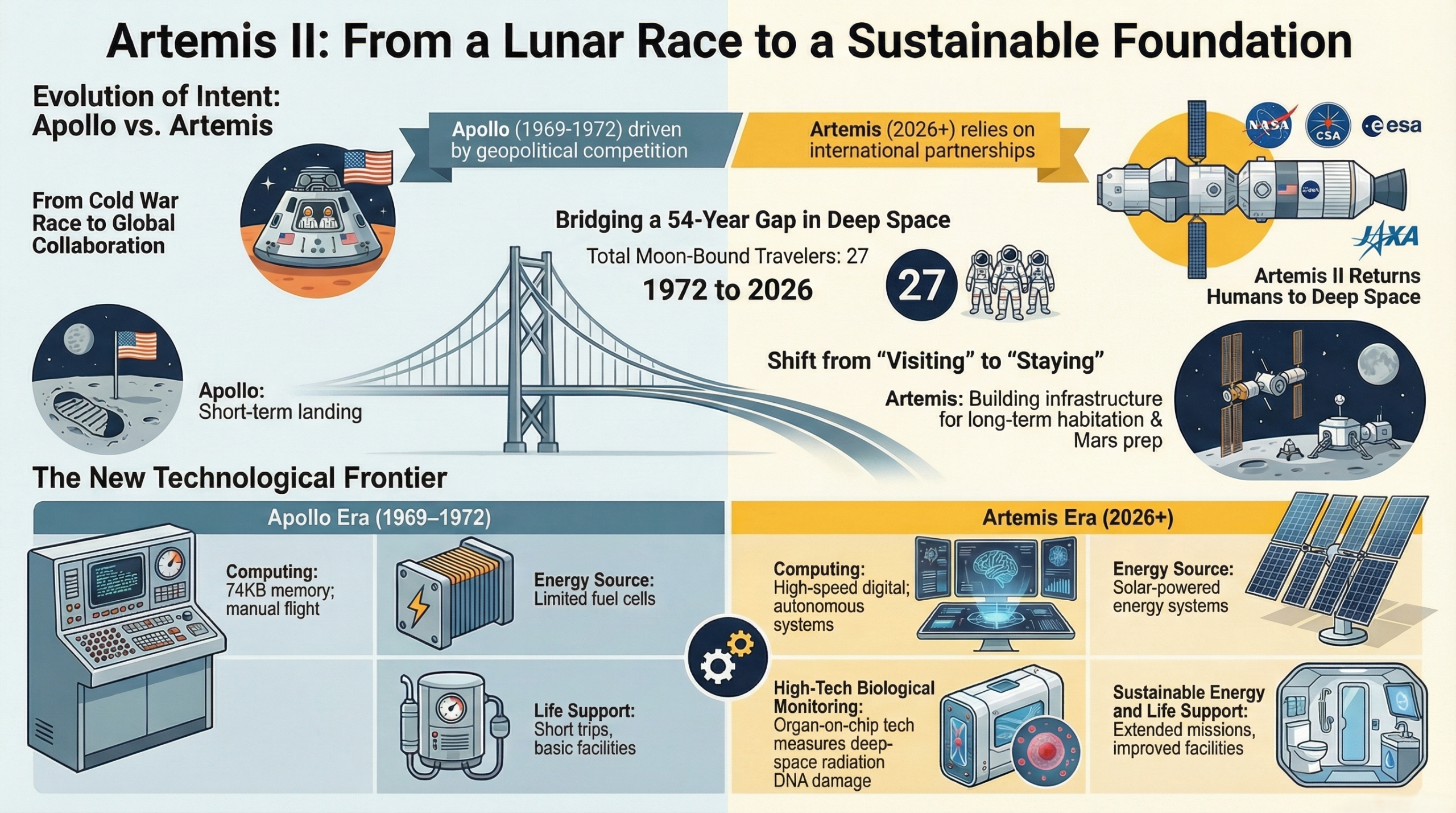
Human missions, however, remain rare. Between 1968 and 1972, a total of 24 astronauts travelled towards the Moon under the Apollo programme. With Artemis II, that number has now risen to 27. Yet only 12 humans have ever walked on the lunar surface, all of them during six missions between 1969 and 1972.
Despite those historic steps, one fact remains unchanged: no human has ever breathed on the Moon. With no atmosphere, every second of human survival there has depended entirely on spacecraft systems and pressurised suits.
A mission built to test the future
Artemis II is not a landing mission, but it is a critical step towards one.
During its approximately 10-day journey, the crew will travel thousands of kilometres beyond the Moon before looping back to Earth.
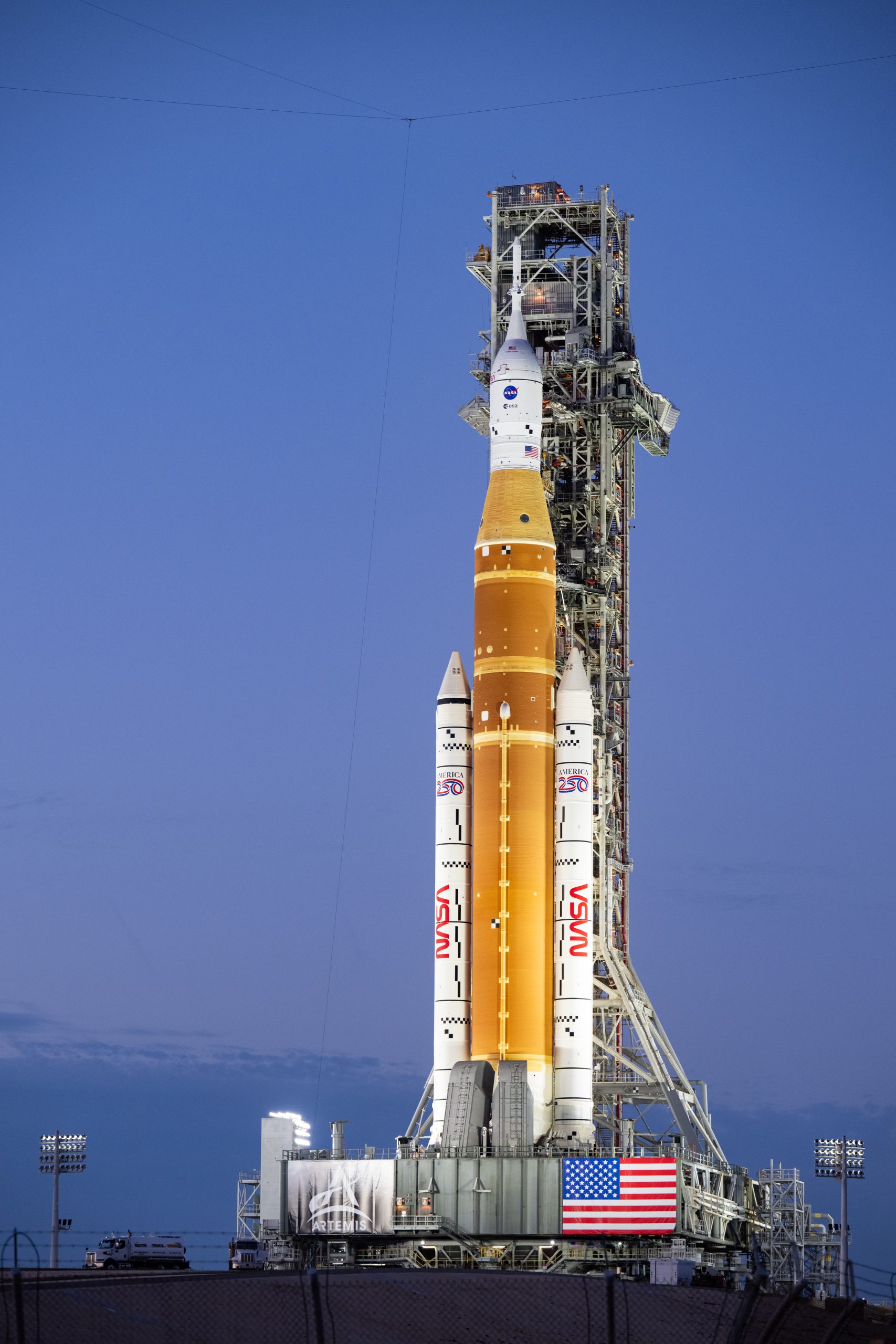
The mission will test the Space Launch System rocket, the Orion spacecraft, and mission operations in real deep-space conditions – far beyond low Earth orbit, where most human spaceflight has taken place in recent decades.



For the first time since 1972, astronauts will be exposed to deep-space radiation outside Earth’s magnetic shield. Sensors placed throughout the spacecraft will measure radiation levels, while astronauts will provide biological samples before and after the mission to track changes in the human body.
One of the most advanced experiments involves “organ-on-chip” technology. Scientists have placed human cells – derived from astronaut blood samples – onto small chips that will travel aboard the spacecraft.
Identical samples will remain on Earth. After the mission, researchers will compare the two to assess DNA damage, immune response and other biological changes caused by deep-space exposure.
At the same time, the crew will conduct visual observations of the Moon’s far side, photographing regions that no human has ever directly seen.
While robotic missions have mapped much of the surface, human observation offers a level of interpretation and responsiveness that machines cannot fully replicate.
A myth that became a mission
The connection between Apollo and Artemis is both symbolic and intentional.
In Greek mythology, Artemis is the twin sister of Apollo—the goddess of the Moon, paired with the god of light. By choosing the name Artemis, NASA signalled continuity with the past while marking the beginning of a new phase.
But the real difference lies in purpose.
Apollo was shaped by the Cold War. It was fast, high-risk and driven by geopolitical competition. Its goal was clear, land humans on the Moon and return them safely. Between 1969 and 1972, it achieved that goal six times.
Artemis, by contrast, is designed for long-term presence. It is built on international collaboration, involving partners such as Europe, Canada and Japan. Its aim is not just to reach the Moon, but to establish a sustainable human presence and use it as a stepping stone for missions to Mars.
More than a comparison: a shift in approach
The contrast with Apollo 11 is inevitable, but it no longer dominates the story.
Apollo 11 relied on a guidance computer with just 74 kilobytes of memory. Artemis missions operate with advanced digital systems capable of autonomous navigation, real-time data processing and fault detection.
Where Apollo astronauts manually controlled key phases of flight, Artemis systems rely heavily on automated, computer-driven operations.
Spacecraft design has also evolved. Apollo missions lasted around eight days. Artemis missions are built for longer durations, with improved life-support systems, larger crew space, and solar-powered energy systems that allow extended operation.
Safety has seen some of the most significant improvements. Lessons from incidents such as Apollo 1 and Apollo 13 have led to the development of launch abort systems, multiple redundancies, and more resilient spacecraft structures.
Yet the most important shift is not technological – it is philosophical.
Apollo proved that humans could reach the Moon. Artemis is attempting to prove that humans can remain there – and build something that lasts.
A different kind of crew, a different kind of story
Artemis II reflects a broader and more inclusive vision of space exploration.
The four-member crew includes the first woman to travel this far into space and the first Canadian astronaut to join a lunar mission. It is a significant shift from the all-American crews of the Apollo era and signals a move towards international participation in deep-space exploration.
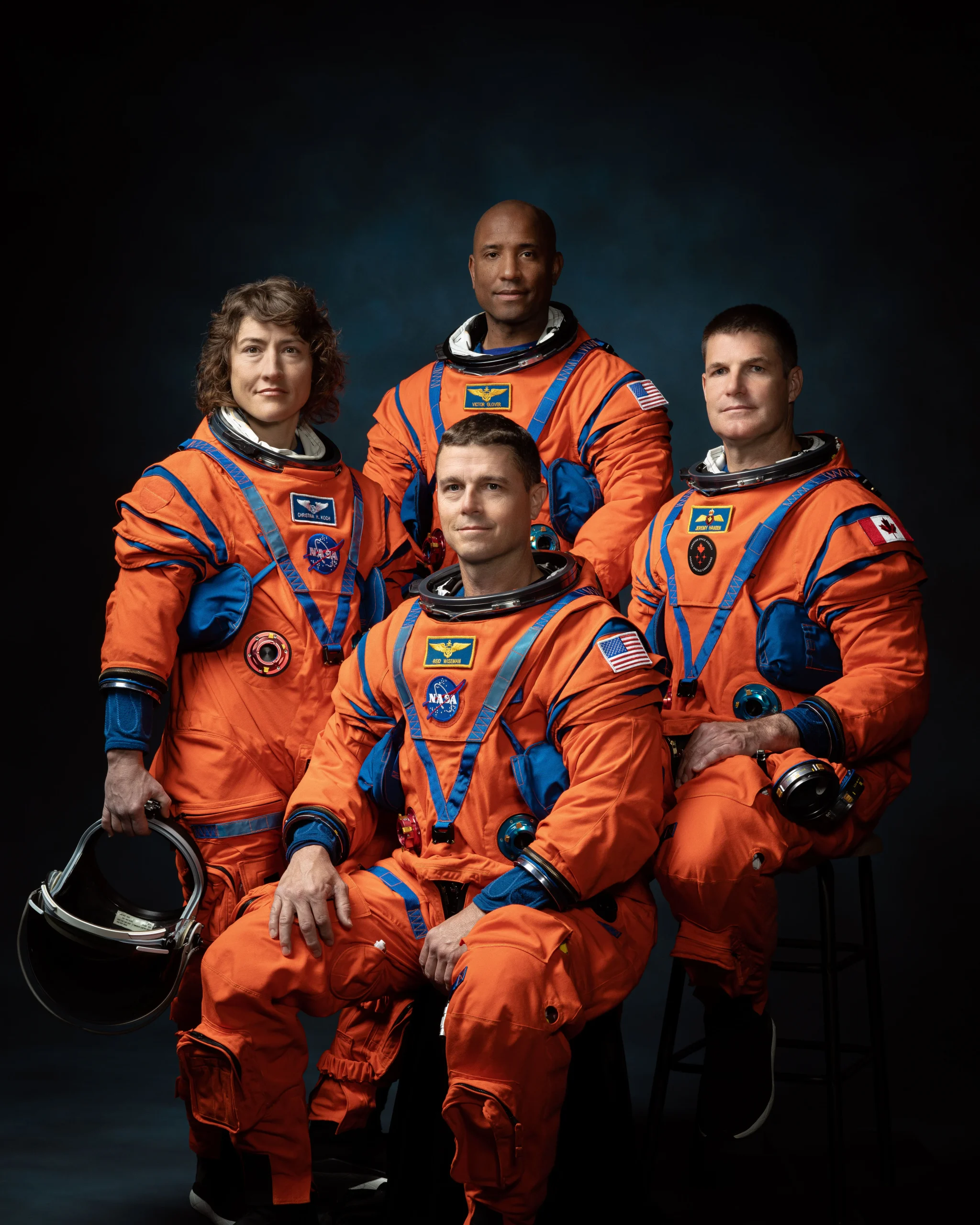
Photo: NASA/ Josh Valcarcel
Inside the Orion spacecraft, design changes reflect longer mission needs. There is increased cabin space, improved life-support systems, and dedicated facilities for basic hygiene and privacy – features that were absent in earlier missions.
These are not just upgrades. They are indicators of a larger shift. Space missions are no longer designed simply to reach a destination, but to support human presence for extended periods.
Why the Moon matters again
The renewed focus on the Moon is driven by new discoveries.
The target is now the lunar south pole, where permanently shadowed craters are believed to contain significant deposits of water ice. This resource could provide drinking water, oxygen for breathing, and hydrogen for rocket fuel.
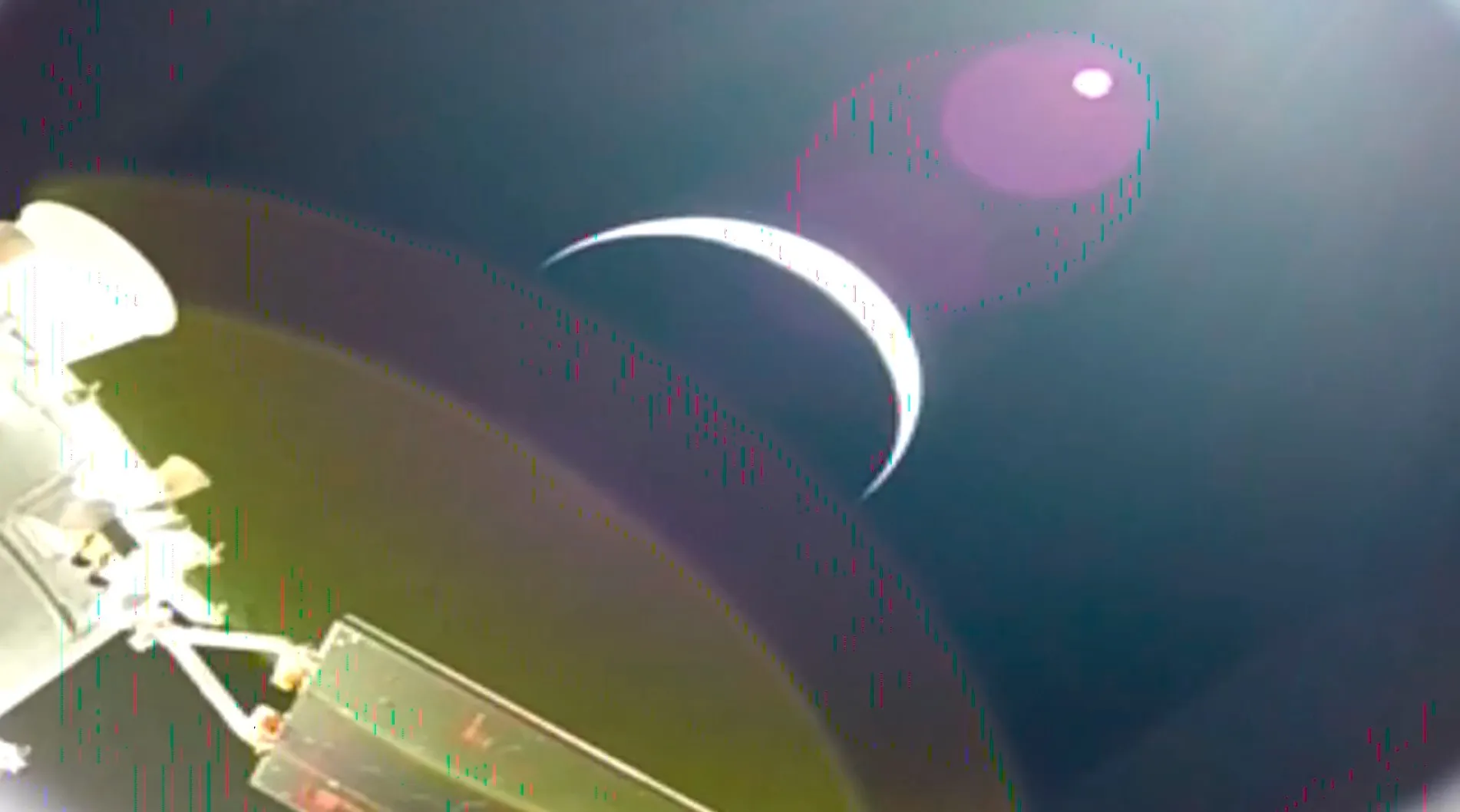
Photo: NASA
Beyond water, the Moon may contain valuable materials, including rare earth elements and metals such as iron and titanium. Scientists also view the Moon as a geological archive. With no atmosphere, weather or tectonic activity, its surface preserves a record of more than 4.5 billion years of solar system history.
The Moon is no longer just a destination for exploration. It is a potential base for future operations in space.
From a race to a foundation
The transition from Apollo to Artemis marks a fundamental change in approach.
Apollo was about being first. Artemis is about staying.
Plans are already underway to build a lunar space station in orbit, known as the Gateway, along with surface habitats that could support longer missions. Instead of isolated landings, Artemis envisions a continuous presence on and around the Moon.
This infrastructure is also seen as preparation for future missions to Mars, where conditions will be even more challenging.
A story still unfolding
After the final Apollo mission in 1972, human exploration of the Moon came to a halt. For decades, robotic missions continued to study the lunar surface, but no astronauts returned.
With Artemis II, that gap – lasting more than 50 years – has finally been bridged.
Future missions aim to land humans on the Moon again, including the first woman and the first person of colour. These missions are expected to last longer, explore new regions, and begin using lunar resources in practical ways.
NASA/Keegan Barber
The question is no longer whether humans can reach the Moon. That answer has been known since 1969. The real question now is whether humans can stay – and build something that lasts beyond a single mission.
For the first time in decades, the answer feels within reach.